
Oil Price Rise Due to Middle East Conflict: Logistics Costs and Goods Prices Could Be Affected
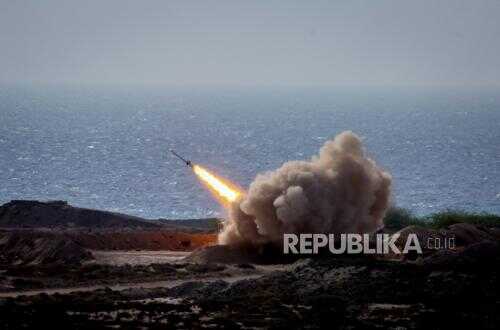
Jakarta — Setijadi, Founder and CEO of Supply Chain Indonesia (SCI), has warned that escalating conflict in the Middle East and potential disruptions to the Strait of Hormuz could increase national distribution costs and suppress domestic goods prices in Indonesia.
Setijadi noted that the strait is traversed by approximately 20 per cent of global oil consumption and 20-25 per cent of global LNG trade, meaning any disruption could drive up international energy prices.
“The impact on Indonesia will occur through the transmission of global oil prices (Brent) to domestic diesel prices,” Setijadi stated in a written statement in Jakarta on Sunday (1 March 2026).
He explained that diesel is a primary component of road transport operational costs, which remain the backbone of Indonesia’s national logistics system. In a moderate scenario, Setijadi continued, a global oil price increase of 25 US dollars per barrel could drive diesel prices up by approximately Rp750-2,000 per litre, depending on exchange rates and pricing adjustment policies.
“In a more severe scenario with increases of up to 50 US dollars per barrel, pressure on distribution costs could increase more significantly,” Setijadi stated.
Assuming fuel costs represent approximately 35-40 per cent of total truck operational costs, a 10 per cent increase in diesel prices could drive freight rates up by approximately 3.5-4 per cent, he said. If diesel prices rise by 20 per cent, truck freight costs could increase by 7-8 per cent.
“In a more severe scenario, a 30 per cent increase in diesel prices could trigger freight rate surges of up to 10.5-12 per cent,” he concluded.