
Oil Price Forecast: Iran's Threat to Close Strait of Hormuz Brings Disaster
Jakarta, CNBC Indonesia — Geopolitical dynamics in the Middle East region are expected to influence movements in global energy commodity prices. Current incidents involving the United States, Israel, and Iran have become the primary focus for market participants in monitoring the stability of global crude oil supplies.
Additionally, the failure to reach a nuclear agreement between the United States and Iran has become a supplementary factor monitored by the market in recent times. However, escalation is intensifying given Iran’s confirmation that Supreme Leader Ali Hosseini Khamenei has passed away as of Sunday (1 March 2026) at 9:00 WM.
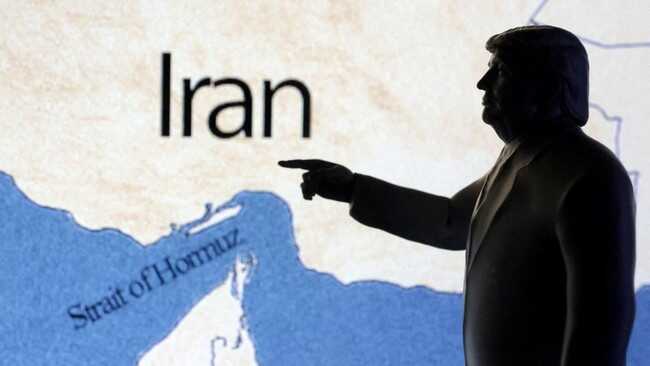
Consequently, Iran has condemned the incident and threatened to close the shipping route through the Strait of Hormuz due to this incident, which could result in continued increases in global oil prices.
Oil Price Performance Over Recent Week
Based on trading data from the final week of February 2026, global oil prices showed dynamic but relatively stable movement from early to mid-week. On Monday (23 February 2026), the global benchmark crude, Brent, opened at US$71.49 per barrel, whilst West Texas Intermediate (WTI) was positioned at US$66.31 per barrel.
Moving into mid-week, prices underwent consolidation and touched US$70.75 per barrel for Brent and US$65.21 per barrel for WTI on Thursday (26 February 2026). Price movement reversed at the close of trading on Friday (27 February 2026), with Brent closing stronger by approximately 2% at US$72.48 per barrel and WTI recording a closing position at US$67.02 per barrel.
The price increase at the weekend indicated portfolio repositioning steps by market participants ahead of market closure. This step represented a form of risk mitigation against potential developments in the Middle East security situation over the weekend.
Projections and Global Distribution Route Risks
In line with these developments, several banking institutions have updated their energy market projections. Barclays, in its latest report, revised its forecast for Brent futures oil prices from US$80 per barrel to approximately US$100 per barrel.
This projection revision was based on calculations of logistics risks in Middle Eastern waters, particularly the Strait of Hormuz. According to industry data, approximately 20% of total global oil consumption is distributed through the waterway connecting the Persian Gulf with the Gulf of Oman and the Arabian Sea. The potential for obstruction or disruption on this distribution route has become a primary risk factor anticipated by commodity markets.
Opening of trading in the coming week is expected to record increased volatility. Price determination in the near term is projected to respond more to information regarding geopolitical escalation and energy infrastructure conditions in the affected region, compared to regular fundamental indicators of demand and supply balance. The market will adjust prices based on real information occurring in the field.