
Oil Heats Up Further, Attacked by Iran, Prices Soar 5%
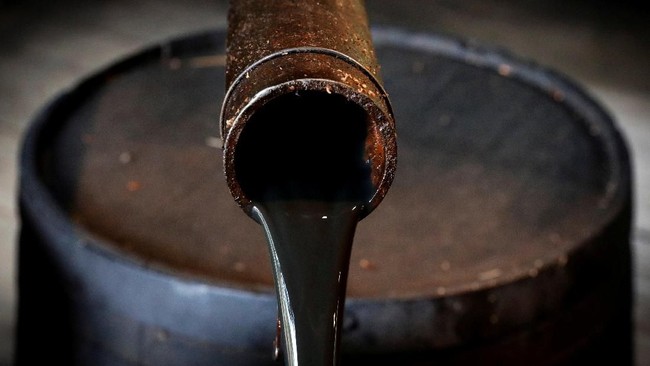
Global oil prices are showing their teeth once again. This time, the surge feels like a sharp leap amid the increasingly fiery geopolitical tensions in the Middle East.
According to Refinitiv data, on Thursday (19/3/2026) at 09:15 WIB, the price of Brent crude jumped to US$112.74 per barrel, a significant rise from the previous close of US$107.38 per barrel. Meanwhile, West Texas Intermediate (WTI) stood at US$98.64 per barrel, also strengthening compared to the prior close of US$96.32 per barrel.
This increase extends the price rally over the past few days. Looking back to the start of the week, Brent has surged from around US$100.21 (16 March) to over US$110, indicating a jump of more than 10% in just a few days.
Citing Reuters, the oil price surge was triggered by a major escalation in the conflict between Iran and the United States and Israel. Iran reportedly launched attacks on several energy facilities in the Gulf region, including in Qatar and Saudi Arabia, in response to strikes on the South Pars gas field, one of the world’s largest.
These attacks are not merely symbolic. Energy facilities in Ras Laffan, Qatar, reportedly suffered significant damage from missile strikes. Saudi Arabia also confirmed it successfully intercepted several ballistic missiles and drones targeting their gas facilities. This situation amplifies the risk of disruptions to global energy supplies.
More concerningly, this conflict has disrupted a vital global energy route, the Strait of Hormuz. This route handles about 20% of global oil and LNG supply. With distribution disrupted, the market has responded with an aggressive price surge.
Analyst from SEB, Ole Hvalbye, stated that attacks on energy infrastructure will continue to fuel the rise in oil prices. Even now, estimates of production cuts in the Middle East reach 7-10 million barrels per day, or about 7-10% of global demand—a highly significant figure for market balance.
On the other hand, there is some balancing news on the supply side. Iraq has begun resuming oil exports from the Kirkuk field to the Ceyhan port in Turkey, with an initial capacity of 250,000 barrels per day. Libya is also redirecting flows from the Sharara field after it was disrupted by a fire. However, these additional supplies are deemed insufficient to dampen price pressures.
Meanwhile, the United States is attempting to curb domestic price surges by easing fuel shipment regulations and opening additional distribution access. However, this step is considered to have only limited impact on global prices.