
Oil Breaks Through US$108 per Barrel Following Trump's Speech
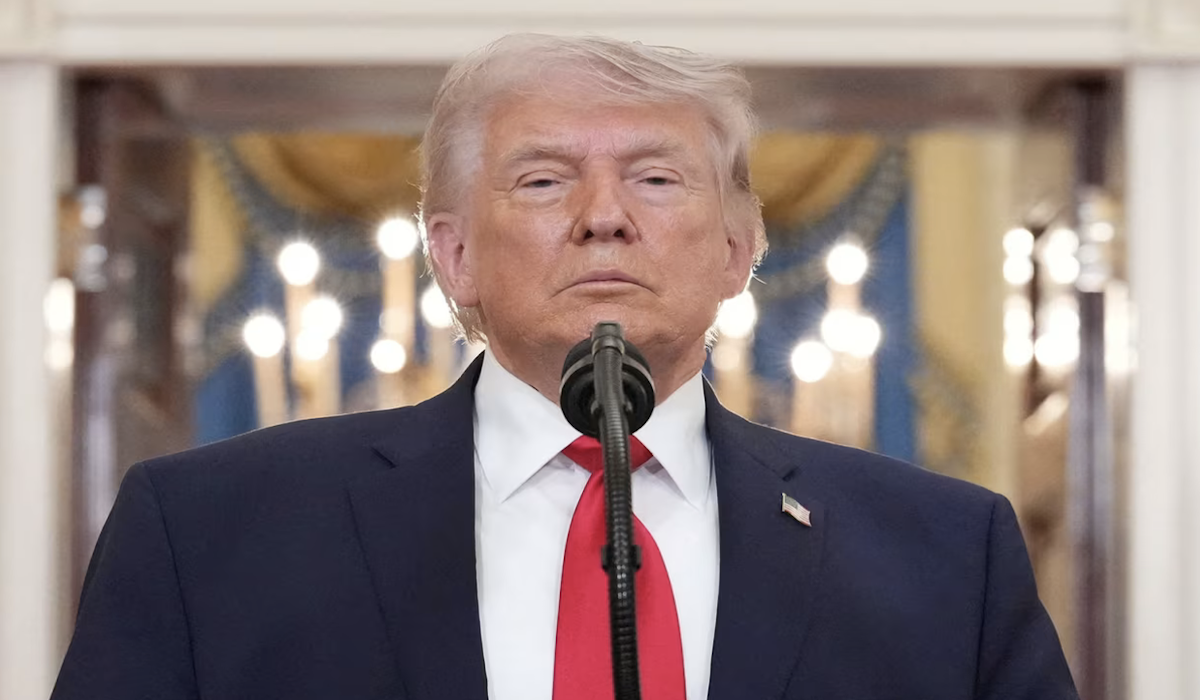
The price of global oil surged sharply while global stock markets came under pressure following statements from US President Donald Trump, which triggered new concerns over the escalation of the ongoing war.
The rise in oil prices occurred as investors’ hopes for a quick end to the conflict faded. Trump’s statements were seen as providing no certainty regarding the direction of war resolution, prompting a negative market reaction.
Brent crude oil, the global benchmark, rose 6.6% in early trading to approach US$108 per barrel. Meanwhile, West Texas Intermediate (WTI) crude, the US benchmark, strengthened 6.3% to nearly US$106.4 per barrel.
At the same time, stock markets moved downwards after initially recording gains at the start of the week. In Asia, South Korea’s Kospi index led the decline, closing down 4.5%. Pressure was also evident in Europe, where most major indices were in the red. US stock futures indicated a lower market opening.
Deutsche Bank analysts in their note described market sentiment as “worsening overnight” after Trump’s speech provided no clarity on the possible schedule or conditions for ending hostilities against Iran.
According to them, there were no signals that the United States was seeking a quick exit from the conflict. The lack of certainty strengthened investors’ concerns over the potential for a longer conflict and its impact on global market stability.
The surge in oil prices and the decline in stock markets indicate that investors are now increasingly cautious towards geopolitical risks that could pressure economic growth and trigger greater volatility in international financial markets.
Following the Middle East conflict launched by US and Israeli airstrikes against Iran at the end of last month, Iranian forces effectively blockaded the Strait of Hormuz.
Coordinating Minister for the Economy Airlangga Hartarto stated that the work-from-home (WFH) scheme could have an impact from the rise in oil prices.
Airlangga assessed that implementing WFH has the potential to provide significant savings in fuel consumption, particularly from the transportation sector.
The surge in global oil prices due to geopolitical conflict is seen as potentially pressuring Indonesia’s energy resilience and fiscal position.
The rise in prices of petroleum derivative raw materials is once again in the spotlight amid increasing global uncertainty.
Global oil prices surged and the rupiah weakened, pressuring the 2026 state budget. Economists remind that fiscal discipline is important to prevent deficits up to 6% and maintain economic stability.
Finance Minister Purbaya Yudhi Sadewa added up to Rp100 trillion to the energy subsidy budget to anticipate the impact from the Middle East conflict, global oil prices, and the state budget deficit.
Purbaya stated that Pertamina is temporarily bearing the price difference for non-subsidised fuels while global oil prices surge, as the government holds back on price increases.