
Oil and Gas Crisis Prompts Many Countries to Reconsider Coal
The severe energy crisis is once again looming over Asia. The war in the Middle East, now entering its third week, has paralysed the Strait of Hormuz, the world’s energy lifeline, and completely halted Qatar’s LNG production. As a result, one-fifth of the global liquefied natural gas (LNG) supply has vanished from the market in an instant.
This situation poses an existential threat to Asian economic giants such as Japan, Singapore, and Taiwan, which rely on gas for one-third of their electricity.
Citing a report from The New York Times, the disruption of Qatar’s supply has forced utilities in Asia to rush the spot market. To avoid mass shortages, utilities across the region have been forced to compete for remaining cargoes in the spot market at prices reaching record highs. This fierce competition has driven prices to record levels.
This condition is widening the economic gap between wealthy countries that can afford expensive cargoes and developing nations threatened with power outages.
Developing countries like Pakistan and Bangladesh are now in a difficult position, losing out in price competition to richer nations, which is triggering risks of rolling blackouts.
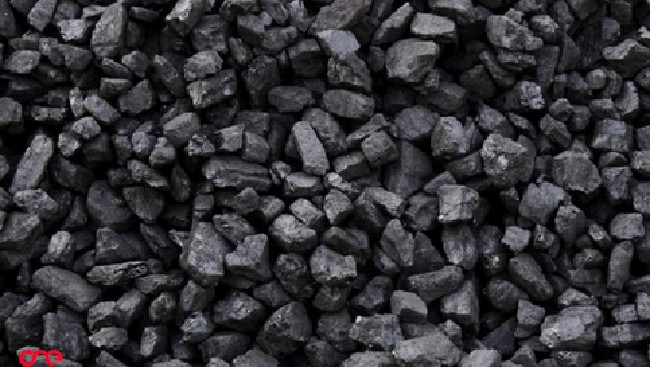
To maintain energy resilience, Asia’s energy transition trend appears to be reversing, with a renewed interest in coal.
In Thailand, the government has ordered coal-fired power plants to operate at full capacity and is pouring massive subsidies to dampen the surge in prices. Similar steps have been taken by Taiwan and South Korea, which are restarting old coal plants and increasing nuclear energy output to compensate for the volatility in gas and oil supplies.
This uncertainty is damaging the reputation of LNG, which has long been touted as a clean and stable “transition fuel”. Analyst from Eurasia Group, Henning Gloystein, assesses that Asia is now in full price competition, where any country with the option to switch to coal will do so immediately. This incident is the second major crisis in the last five years following Russia’s invasion of Ukraine, which has made importers begin to doubt the reliability of dependence on seaborne gas.
Amid the supply chaos in the Middle East, the United States under President Trump’s leadership is moving aggressively with its “Energy Dominance” agenda. Washington is offering LNG as a stable alternative, including a massive project in Alaska, to replace Asia’s dependence on Russia and Qatar. However, some countries like Pakistan are choosing a different path by accelerating a massive transition to solar energy to protect themselves from the increasingly uncertain global market instability.