
OIKN engages local residents to eliminate malaria and dengue in new capital
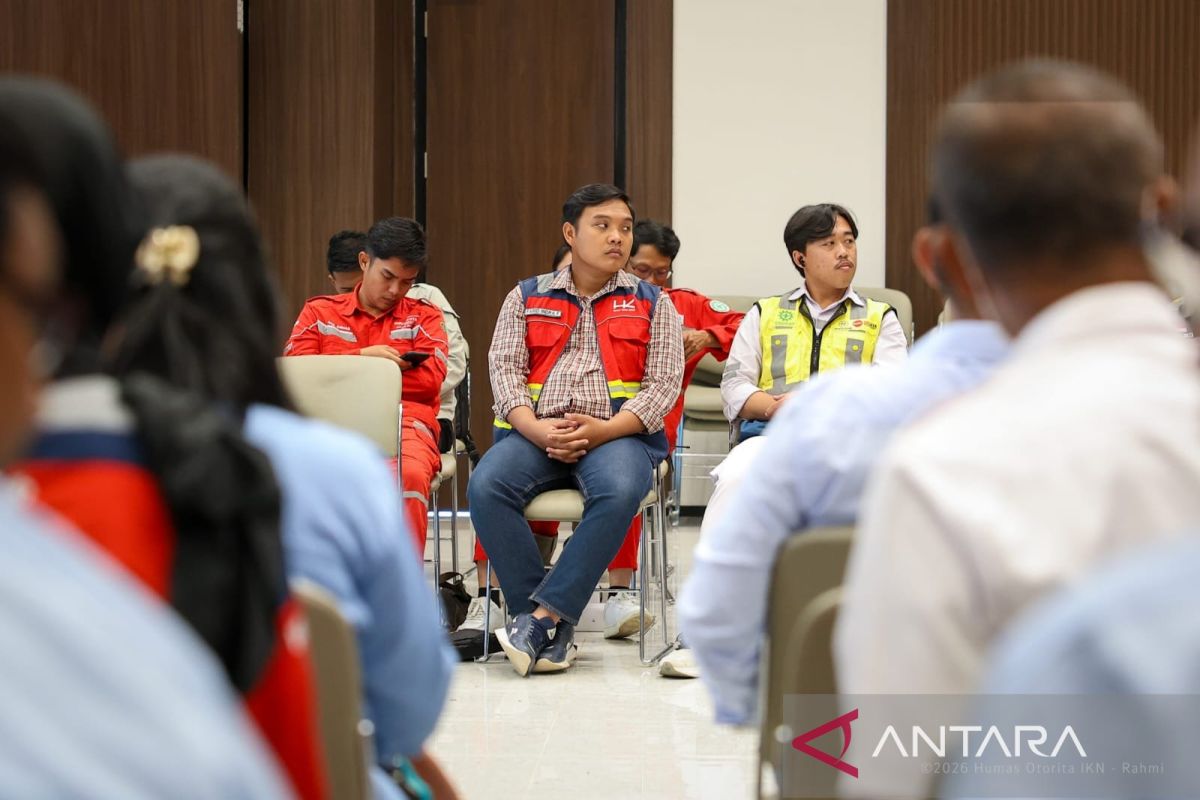
“Health development places the community as the primary actor,” Director of Basic Services at the OIKN, Suwito, said here on Saturday.
According to him, this approach also strengthens promotive and preventive efforts to ensure that the new capital - which spans across parts of the North Penajam Paser and Kutai Kartanegara districts - is free from the vector-borne diseases.
He explained the health cadre team - formed from the local residents - is expected to educate the local communities, manage disease vectors in the environment, and ensure sustainable disease prevention.
“Community involvement is key to breaking the chain of transmission. Controlling malaria and dengue cannot be handled by health authorities alone, it requires the active participation of the people,” he remarked.
Suwito noted that while there is currently no local transmission of malaria within the Nusantara Capital Core Government Area (KIPP), dengue fever remains a significant challenge.
The OIKN aims to reduce dengue cases by 50 percent by strengthening early warning systems and increasing community involvement, particularly in residential and construction areas at high risk due to standing water.
Before forming the health cadre team, the authority provided malaria and dengue prevention training to housing managers and Occupational Health and Safety (OHS) teams in work areas within the KIPP.
A representative from the Ministry of Health, Bambang Siswanto, underscored that a community-based approach is crucial in controlling diseases.
In this regard, the ministry has initiated the Larvae-Free Village program, which aims to control vectors of diseases like malaria and dengue.
The program has been piloted in several regions, including East Kalimantan, specifically in North Penajam Paser. Under this initiative, sub-district heads, village heads, and local governments take the lead roles, while health workers serve as technical advisors.
“The central government is also currently drafting a larvae-free zone concept for specialized areas, such as industrial zones and the Nusantara capital area,” Siswanto said.
Related news: Indonesia pushes regional strategy to curb dengue across SE Asia
Related news: Ministry reaffirms commitment to malaria elimination by 2030
Translator: Nyaman Bagus, Raka Adji