
Often Mistaken for One Another, Here Is How to Tell Chickenpox, Measles, and Common Rashes Apart
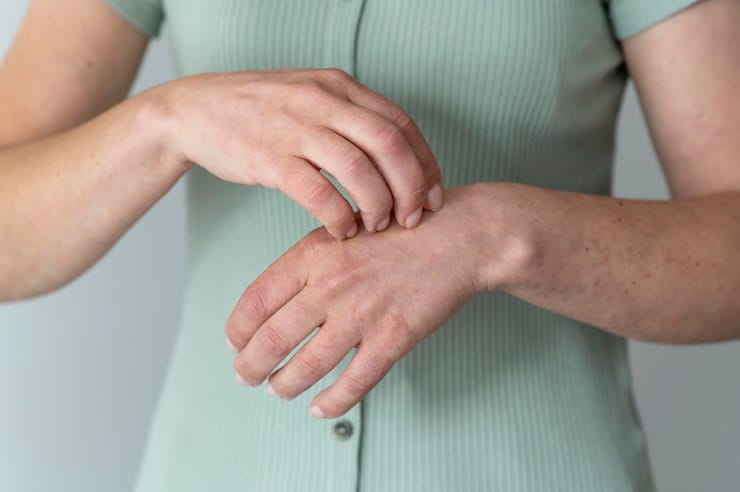
Red spots or patches on the skin often worry parents, especially when it occurs in children. The condition can be caused by several different diseases, but the public often confuses them. The three conditions most commonly mistaken for one another are chickenpox, measles, and rashes such as heat rash or allergic reactions. All three produce redness on the skin, but they differ in cause, symptoms, and danger.
According to Rumah Sakit Pusat Pertamina, chickenpox and measles are contagious diseases caused by viruses. By contrast, common rashes usually arise from skin irritation, hot weather, or allergic reactions. Therefore, it is important for the public to understand the differences to ensure appropriate treatment and to avoid complications.
For lay readers, these conditions can look alike in the early stages. The most visible sign is red spots on the skin. However, there are key differences: measles is caused by the measles virus; chickenpox is caused by the varicella-zoster virus; and common rashes typically stem from skin irritation, heat, allergies, or minor skin infections.
Transmission patterns also differ. Measles and chickenpox are highly infectious through the air or respiratory droplets. By contrast, common rashes are not contagious as they are not caused by a viral infection.
Other differences are seen in the pattern of the rash. Each disease has a characteristic form, location, and progression of the rash. Common rashes typically do not accompany severe symptoms. Measles and chickenpox almost always follow with fever and flu-like symptoms.
Several conditions can increase the risk of developing these diseases, notably not being immunised. Children and adults who have not received the MMR vaccine to prevent measles or the varicella vaccine to prevent chickenpox are more likely to contract them.
Direct contact with an infected person is also a major risk factor, especially in crowded places such as schools, playgrounds, or shopping centres. In addition, people with weakened immune systems such as infants, pregnant women, the elderly, and those with chronic illnesses are more vulnerable to infection and complications.
For common rashes, environmental factors often trigger them. Hot and humid weather, clothing that does not absorb sweat, and products that irritate the skin such as soap or detergents can cause rashes.
Not all rashes require medical treatment. However, medical examination should be sought if a rash appears with certain symptoms.
Some warning signs include a fever above 39 C, a rash that spreads quickly, and signs of dehydration such as a dry mouth and extreme weakness. Also, symptoms such as shortness of breath, severe headache, neck stiffness, or a pus-filled rash require urgent medical attention.
Pregnant women who have been exposed or show symptoms are advised to seek medical advice promptly.
Vaccination is the principal measure to protect against measles and chickenpox. The administration of the MMR and varicella vaccines has been shown to reduce the risk of infection and help prevent more serious complications. In addition, maintaining personal hygiene such as regular handwashing is important to prevent transmission. Avoiding contact with the sick and isolating when infected can help curb the spread of the disease.
To prevent common rashes, the public is advised to wear breathable clothing, bathe regularly, and avoid products that irritate the skin. Healthy living, including a nutritious diet and good hand hygiene, and avoiding contact with patients with these infections and not sharing personal items.
People who have chickenpox are advised to bathe and not scratch the lesions, and to keep the wounds dry.
The virus that causes monkeypox was first identified in 1958 in monkeys used for laboratory research, hence the name, monkeypox. However, the natural reservoir of the virus is primarily animals.
The rainy season triggers a rise in various infectious diseases in children, from influenza to measles to chickenpox, which are actually preventable through immunisation.
IDAI – Ikatan Dokter Anak Indonesia – reminds the public not to underestimate measles and chickenpox in children, particularly during the rainy season.
Coconut water does have real health benefits, but its role is mainly to hydrate.
Bathing a child with chickenpox aims to keep the skin clean and healthy. This step helps prevent sweating and irritation.
A paediatric infectious disease and tropical medicine specialist explains that varicella zoster virus can remain latent in the nervous system and may reactivate as herpes zoster.