
Officially Confirmed: Mojtaba Khamenei Becomes Supreme Leader of Iran Amid US-Israel Threats
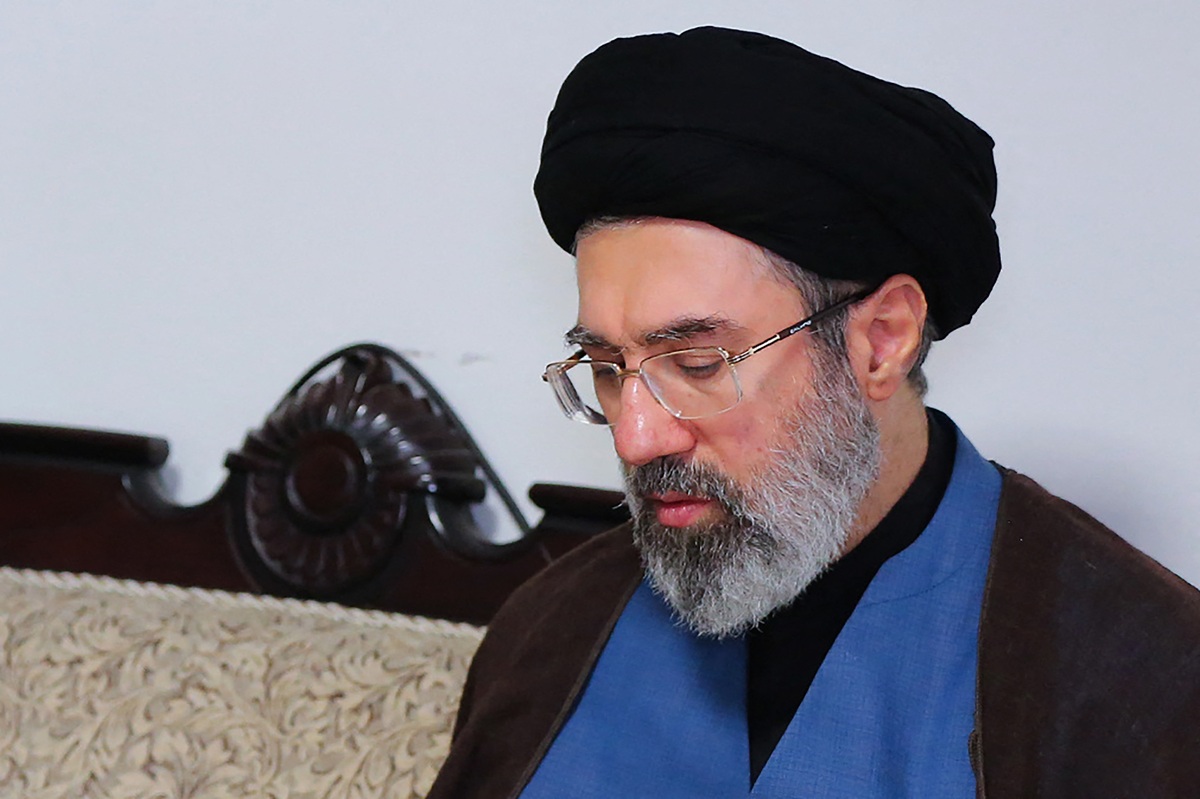
Iran’s government of clerics has formally appointed Ayatollah Mojtaba Khamenei as the country’s new Supreme Leader on Sunday (8 March). This step was taken as a form of resistance against threats from the United States and Israel, which have openly opposed the succession.
The appointment of the 56-year-old man occurred nine days after a US-Israeli air strike killed his father, Ayatollah Ali Khamenei, triggering the outbreak of major war in the Middle East. Iran’s Assembly of Experts stated that the decision was taken unanimously without a shred of doubt.
“Mojtaba Khamenei is appointed and introduced as the third leader of the sacred system of the Islamic Republic of Iran, based on an absolute vote from the honoured representatives of the Assembly of Experts,” read the official statement from the clerical institution.
The Assembly emphasised that they harboured not a moment’s hesitation in selecting the new leader, despite being under pressure from “brutal American aggression and the evil Zionist regime.”
US President Donald Trump previously dismissed Mojtaba as an incompetent figure and demanded a role in determining Iran’s leadership. Before the official announcement was made, Trump issued a stern warning through the media.
“If he doesn’t get our approval, he won’t last very long,” Trump told ABC News.
However, Tehran, through Foreign Minister Abbas Araghchi, insisted that the decision was purely an internal Iranian matter. Speaking on NBC’s Meet the Press programme, Araghchi even demanded that Trump apologise to people in the region for having sparked the war.
Amid political turmoil, conditions in the capital Tehran have deteriorated after Israel struck five oil facilities overnight. The attack killed at least four people and triggered massive fires that engulfed the city in toxic smoke.
Tehran’s governor reported temporary disruptions to fuel distribution. Residents were warned to remain indoors due to the risk of toxic air pollution.
“The fires have been burning for more than 12 hours, the air has become unfit to breathe. I cannot even go out to purchase daily necessities,” said a 35-year-old Tehran resident in a text message.
The conflict has now spread to various neighbouring countries. Saudi Arabia reported two people killed by “military projectiles” in Al Kharj province. Meanwhile, Kuwait stated that fuel tanks at its international airport came under attack, and Bahrain reported damage to water desalination facilities.
Although Trump has insisted the war is nearly won, Iran’s Revolutionary Guard Corps (IRGC) claims to possess sufficient supplies to continue drone and missile operations for up to six months. IRGC spokesman Ali Mohammad Naini threatened to deploy “advanced long-range missiles” within the coming days.
To date, there is no clear diplomatic path to end the conflict. In the face of this impasse, Pope Leo XIV has expressed prayers that the sound of bombs will soon cease and that dialogue can open for all conflicting parties.