
Observer: Evaluating Political Recruitment for Regional Elections a Good Solution
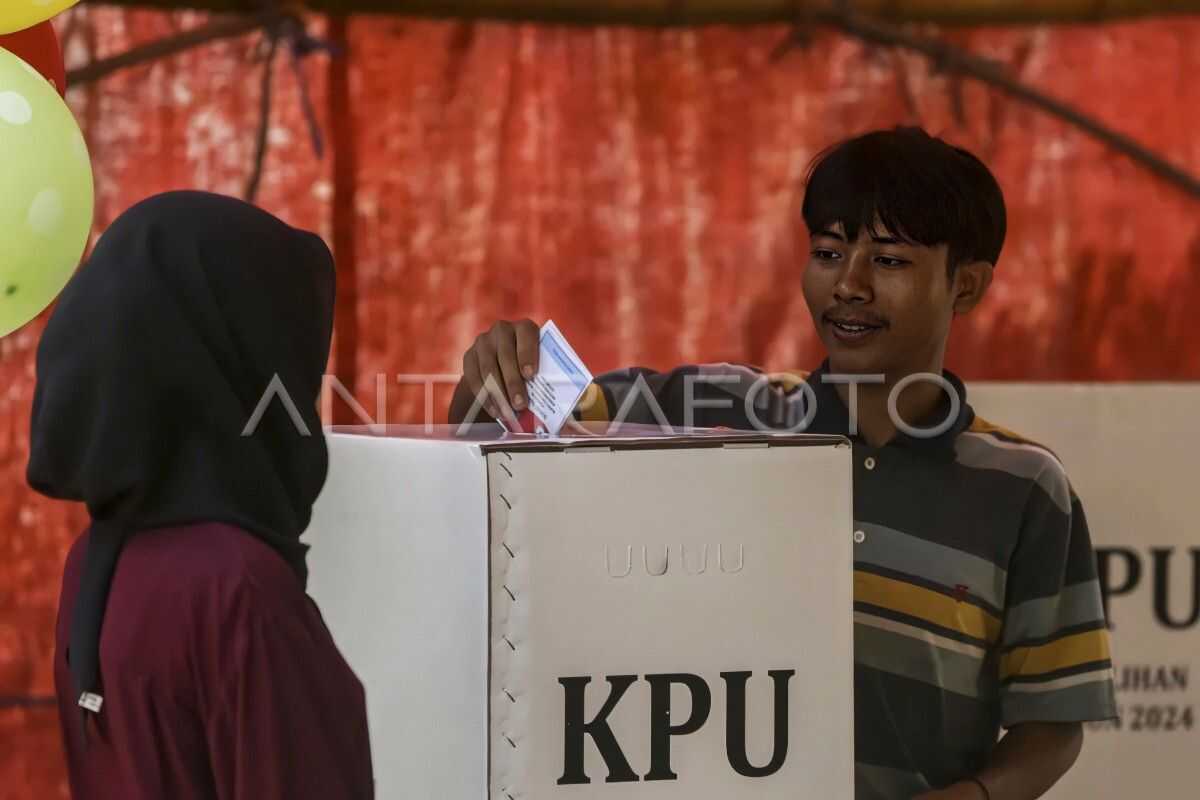
Jakarta (ANTARA) — Executive Director of Indonesia Political Review Iwan Setiawan has said that proposals to evaluate political recruitment related to regional elections (pilkada), particularly in terms of avoiding money politics, represent an excellent solution.
“I think the discourse on evaluating political recruitment in regional head election contests is very good. The recruitment of regional head candidates carried out by political parties has, in my view, not been in accordance with the principles of democracy and party meritocracy,” he said when contacted by ANTARA in Jakarta on Tuesday.
He explained that money politics in regional elections is caused by political party recruitment processes that do not prioritise capacity, but instead base candidacies on popularity, electability and the contents of one’s bag — a euphemism for money.
“Based on my experience as a survey institution and political consultant in several regional elections, the recruitment of regional head candidates by political parties does not prioritise capacity, leadership cadre development within the party, or candidate integrity. What has been prioritised so far are candidates who have popularity, electability and money,” he said.
According to him, money politics has long been a decisive factor in winning regional election contests. Iwan said this is disproportionate to the consequences it produces, such as corruption ensnaring regional heads who must recoup their expensive political costs.
“I understand that these factors are indeed very decisive in winning regional election battles, but what is the point if the regional heads produced lack capacity, leadership and integrity — and end up becoming corrupt because they must recover the very expensive political costs they incurred,” he said.
Furthermore, Iwan elaborated that political parties rarely recommend candidates with integrity at the regional level because they prioritise finances over cadre capacity. He also observed that many winning candidates switch parties due to insufficient support from their original party.
This is also a consequence of direct regional elections, which carry very expensive political costs, forcing political parties to recruit candidates who have relatively sufficient funds for winning campaigns.
“This means that cadre development is not the primary requirement for being nominated by a particular party, so many internal party cadres who have worked tirelessly to build the party at the regional level are not recommended because they are deemed financially inadequate — and many end up switching parties,” he said.
Iwan also stressed that evaluation of political recruitment for regional elections must ensure significant changes, namely prioritising factors of capacity, cadre development and candidate integrity, so as to avoid expensive political costs during contests.
“Direct regional elections also create opportunities for brokerage practices and the buying and selling of party recommendations for regional head candidates — this is also what makes direct elections very expensive. Therefore, this evaluation discourse must be ensured to address the important factors I have explained,” Iwan said.
Previously, Deputy Minister of Home Affairs Bima Arya Sugiarto said that evaluation of political recruitment in regional elections needs to be carried out to curb the high rate of corruption cases ensnaring regional heads in Indonesia.
Bima stated that the government has undertaken various measures to suppress the high rate of corruption, but corrupt practices continue to increase.
“We have run out of words regarding the number of regional heads committing criminal acts of corruption, because all regional heads have already been warned and retreats have also been held,” he said after a book discussion on “Babad Alas” at the Faculty of Social and Political Sciences, University of Jember, East Java, on Friday (13 February).