
Nyale, sports tourism, and the future of Mandalika
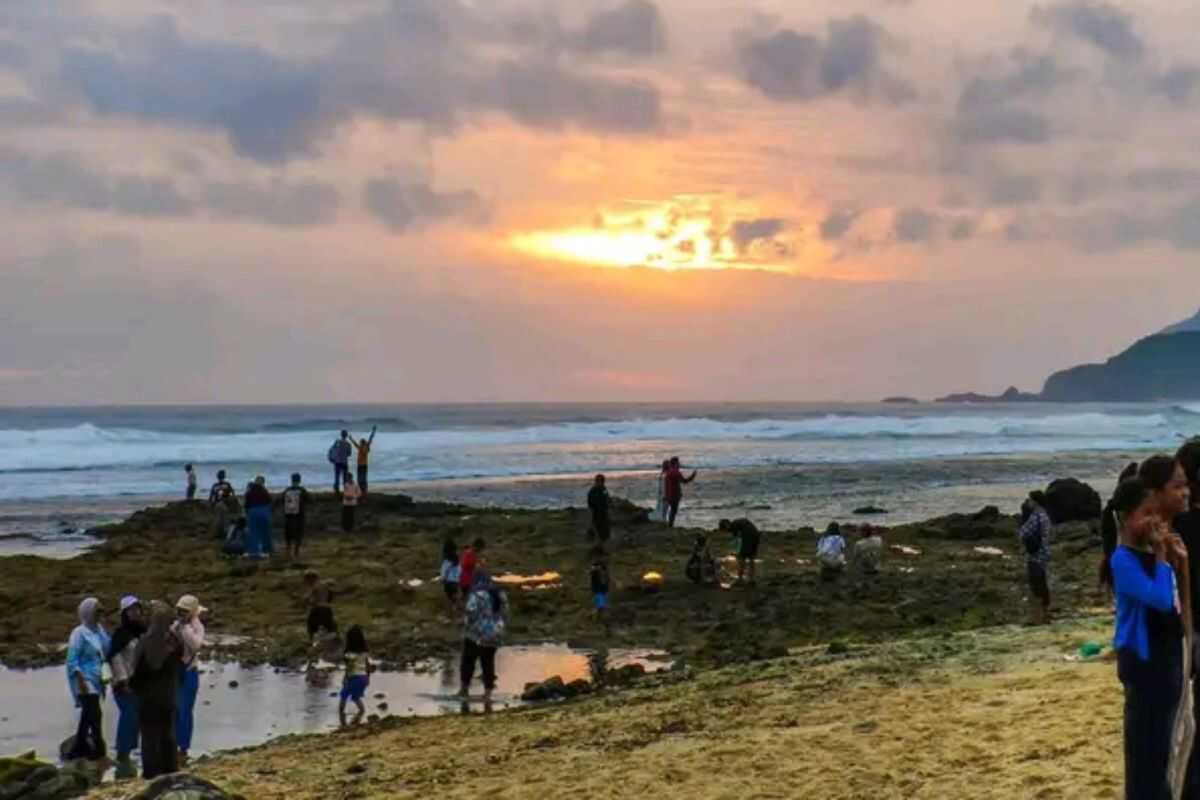
C Lombok, NTB (ANTARA) - The sky over Seger Beach was still dark when thousands of people, flashlights in hand, began wading into the sea. The air carried the scent of salt, welcoming those who believe that the nyale, or sea worms, are the reincarnation of Princess Mandalika. In the Mandalika Special Economic Zone (SEZ) in Central Lombok District, West Nusa Tenggara (NTB), Bau Nyale, the traditional sea worm catching ritual, has become both a cultural heartbeat and a significant economic driver. This year, Bau Nyale no longer stands solely as a cultural festival. It has become part of a broader landscape that includes sports tourism, investment, and a sustainability strategy for tourism in West Nusa Tenggara. On one side stands the Pertamina Mandalika International Circuit, which holds a secured MotoGP contract with Dorna through 2031. On the other is a cultural legacy that has endured for centuries, long before the first stretch of asphalt was laid at the circuit. Economic foundation Held between February and March, Bau Nyale is centered at Seger Beach within the Mandalika SEZ. The festivities extend far beyond just catching the sea worms; they include the Miss Mandalika Pageant, the Thousand Princesses of Mandalika Carnival, and various traditional art performances. Central Lombok District Head Lalu Pathul Bahri emphasized that Seger Beach must remain a space for the community to strengthen the Bau Nyale tradition and support sustainable tourism development. “Bau Nyale is more than just an annual attraction; it is part of the identity of the Central Lombok people,” he said. He highlighted that the district government wants to ensure that the development of the Mandalika SEZ continues to prioritize local culture, noting that preserving tradition helps strengthen the local economy. According to him, the Bau Nyale tradition can boost hotel occupancy around Mandalika and its surrounding areas during its peak. Small business owners - from food vendors to souvenir artisans - have seen a significant surge in income. This momentum demonstrates how local traditions can become a powerful engine for the economy. However, a seasonal economic impact is not enough. The challenge that must be addressed is the integration of Bau Nyale into the national tourism calendar of events without losing its cultural values. This is where balance plays a pivotal role. Tradition must not be reduced to mere spectacle; it must remain a living identity for the Sasak people of Lombok while being given the space to transform within a modern economic context. Sports tourism Since 2022, the MotoGP event at the Pertamina Mandalika International Circuit has become a national icon of sports tourism. The race was held consecutively through 2025 and is scheduled to return in October 2026. The Indonesian government has positioned the event as part of a national strategic program aimed at boosting investment and driving economic growth. The global exposure generated by MotoGP is significant, with millions watching Mandalika through international broadcasts and digital platforms. However, with the contract set to run through 2031, the timeline serves as a reminder that major sporting events are inherently temporary. Overreliance on a single event risks creating economic imbalance once global attention shifts elsewhere. West Nusa Tenggara Governor Lalu Muhammad Iqbal has emphasized the need to diversify the region’s tourism agenda. “We must not depend on just one event. MotoGP certainly delivers a significant impact, but Mandalika must remain vibrant throughout the year,” he said. To achieve this, he highlighted cultural traditions such as Bau Nyale and the empowerment of micro, small, and medium enterprises (MSMEs) as key strategies for sustainable economic growth. Bau Nyale and various side events serve as vital pillars. For instance, the police-organized 2026 Bhayangkara Riding Day, which attracted around 3,500 bikers from different regions, is more than just an automotive gathering; it also functions as a road safety campaign and a humanitarian fundraising event. This model demonstrates the integration of sports, social solidarity, and destination promotion. Sports tourism does not always need to be realized through world-class events. It can take the form of community gatherings, fun runs, triathlon events, or cycling festivals that blend into the cultural landscape. Experience from other regions shows that diversifying events is the key to sustainability. Bali does not rely on a single festival, and Yogyakarta successfully blends culture and sports through various international running events. Mandalika holds similar potential, with the advantage of its beaches, hills, and unique traditions like Bau Nyale. Policy direction Mandalika development requires cross-sectoral efforts. The NTB Provincial Government, the Indonesia Tourism Development Corporation (ITDC), the district government, tourism associations, and local communities must share the same vision. Issues like connectivity, hotel availability, land management, and service quality remain challenges that must be addressed collectively. Furthermore, the environmental aspect must not be overlooked. Bau Nyale takes place in a fragile coastal ecosystem. A surge in visitors could potentially increase waste and put pressure on marine habitats. Without proper management, a tradition born out of respect for nature could ironically end up destroying it. Thus, a sustainable tourism approach must be the founding principle. This requires concrete measures such as educating visitors, designating catch zones, implementing integrated waste management, and actively involving local tourism awareness groups. Furthermore, increasing the capacity of local MSMEs is key to ensuring that economic benefits have an optimal impact on the region. Business management training, access to financing, and digital marketing can strengthen the competitiveness of local players. This way, growth will not just be a macroeconomic figure - it will create a tangible impact on local households. Mandalika stands at a vital crossroads. It possesses a world-class circuit, yet it is also home to a deeply rooted legend. It is under the world’s spotlight for motorcycle racing, but is loved by the community for the story of Princess Mandalika. When thousands of people return to the sea every year for the Bau Nyale tradition, they are doing more than just searching for sea worms; they are preserving a collective memory. The role of public policy is to ensure that this memory is not eroded by excessive commercialization, but instead grows into an economic force that is both fair and sustainable. The future of Mandalika will not be determined solely by how fast the motorcycles race on the circuit, but by how deeply it honors its cultural roots. Between the scent of the ocean and the roar of racing engines lies a choice. It is a decision that will define the future of Mandalika: whether it ends up only as a temporary attraction or becomes a lasting foundation for the prosperity of the local community.