
Nutri-Level Labelling Should Not Become Merely a Business Competition
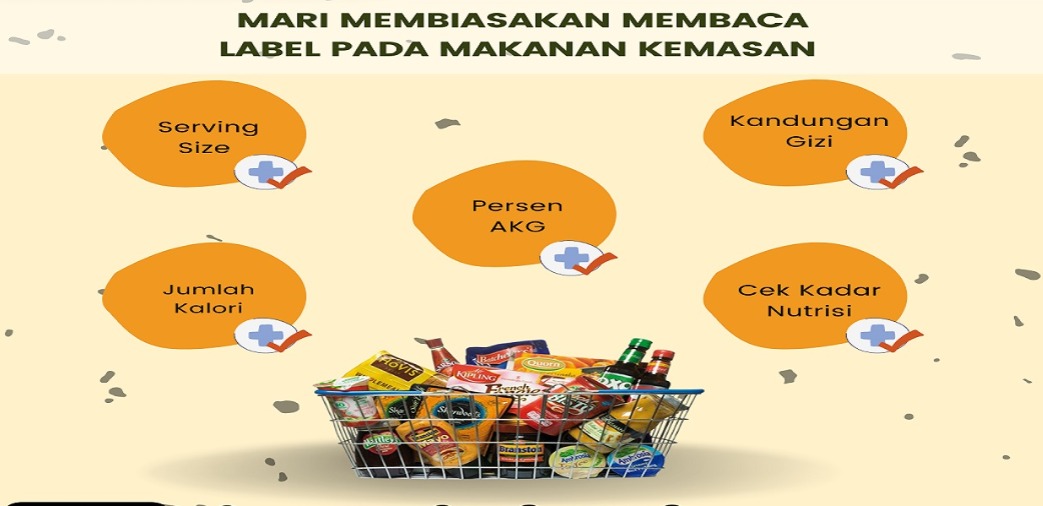
Nutritionist Tan Shot Yen hopes that once the Nutri-Level labelling is implemented, it will not merely become a matter of business competition but will provide the public with good and healthy products. “Don’t let the labelling issue in Indonesia end up just being about business competition. Moreover, this must be monitored; without monitoring and supervision, the regulation will just become a joke,” said Tan Shot Yen when contacted on Tuesday (7/4). Tan Shot Yen assesses that implementing Nutri-Level on packaged food and drinks could potentially reduce consumption of Sugar, Fat, and Salt (GGL) in society. However, what also needs attention is the easy access to purchasing GGL products that the public can obtain. “It might (reduce GGL consumption), but the problem is that our society buys sweet tea on the roadside that’s uncontrolled, the mushrooming tea and coffee stalls, and how to regulate food in canteens and restaurants where sugar, soy sauce, and so on are added,” she stated. Previously, the BPOM signed the Draft Revision of the BPOM Regulation on Nutritional Value Information on Processed Food Labels. The signed draft revision adds provisions regarding the inclusion of Nutri-Level on the front-of-pack nutrition labelling (FOPNL). Nutri-Level is a nutritional labelling system that will be implemented in Indonesia to help the public choose healthier food products. Nutri-Level indicates the level of processed food based on GGL content. The inclusion of Nutri-Level is marked with letters A to D, followed by colour indicators showing the level of GGL content. Letter A (dark green colour: lower GGL content). Letter B (light green colour: low GGL content). Letter C (yellow colour: should be consumed wisely). Letter D (red colour: should be limited according to needs or health conditions).