
Nurul Arifin Appreciates Roblox's Compliance with PP Tunas, Child Protection Becomes a Priority
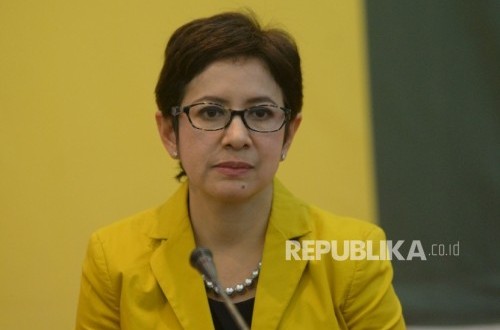
The government has begun implementing Government Regulation Number 17 of 2025 (PP Tunas) along with its derivative regulations, Minister of Communication and Digital Regulation Number 9 of 2026, on 28 March 2026. Through this policy, digital platforms are required to limit or deactivate user accounts for those aged under 16 as part of efforts to strengthen child protection in the digital realm. Responses from industry players are starting to emerge. The gaming platform Roblox is one that has moved quickly by preparing additional controls on communication and content features for young users in Indonesia. In response to this step, Nurul Arifin, a member of DPR Commission I from the Golkar Party faction, considers such early compliance worthy of appreciation. “The step taken by Roblox shows that global platforms can adapt to national regulations. This is important as a signal that child protection must be a shared priority,” Nurul stated in a comment on Thursday (26/3/2026). He added that compliance from one platform is hoped to be followed by others such as TikTok, Instagram, YouTube, and X, which also fall into the high-risk category. “There should not be any impression of selective enforcement. All platforms must adhere to the same rules.” The DPR member from Jabar 1 electoral district emphasised that this government step is a form of siding with children amid the massive use of the internet. So far, according to him, children have directly faced various risks in the digital space without adequate protection. “The state is right to be present in this regulation. We are talking about the next generation, so protection must be strengthened,” he said. Potential rejection, especially from teenagers who have been active on social media, he considers as dynamics that are part of the adjustment process. “There will certainly be adjustments. But if the goal is protection, this is a step that must be taken,” said the Chair of the Media Opinion Mobilisation (MPO) Division of the Golkar Party. The implementation of this regulation is predicted to drive changes in the digital industry. Platforms are demanded to strengthen age verification systems and tighten content oversight, which could ultimately form new standards in the operation of digital services in Indonesia. At the same time, opportunities are also opening up. A child-friendly digital ecosystem, including educational content and learning platforms, is expected to grow alongside restrictions on access to general platforms. Nurul sees Indonesia’s position as quite strategic in this context. With a large number of young users, this policy could serve as a reference for other countries facing similar challenges. “If this runs well, Indonesia could be an example of how child protection in the digital space is implemented seriously,” he said. Nurul also reminded the importance of socialisation so that this policy does not stop at the regulatory level but is truly understood by society. “Parents, children, even schools need to be involved because ultimately this is about building a healthier digital culture.” With the start of the implementation of PP Tunas, Indonesia enters a new phase in managing the digital space—not just about access, but also about responsibility and protection for the younger generation.