
Nurturing the Public Ethos in the Civil Sphere
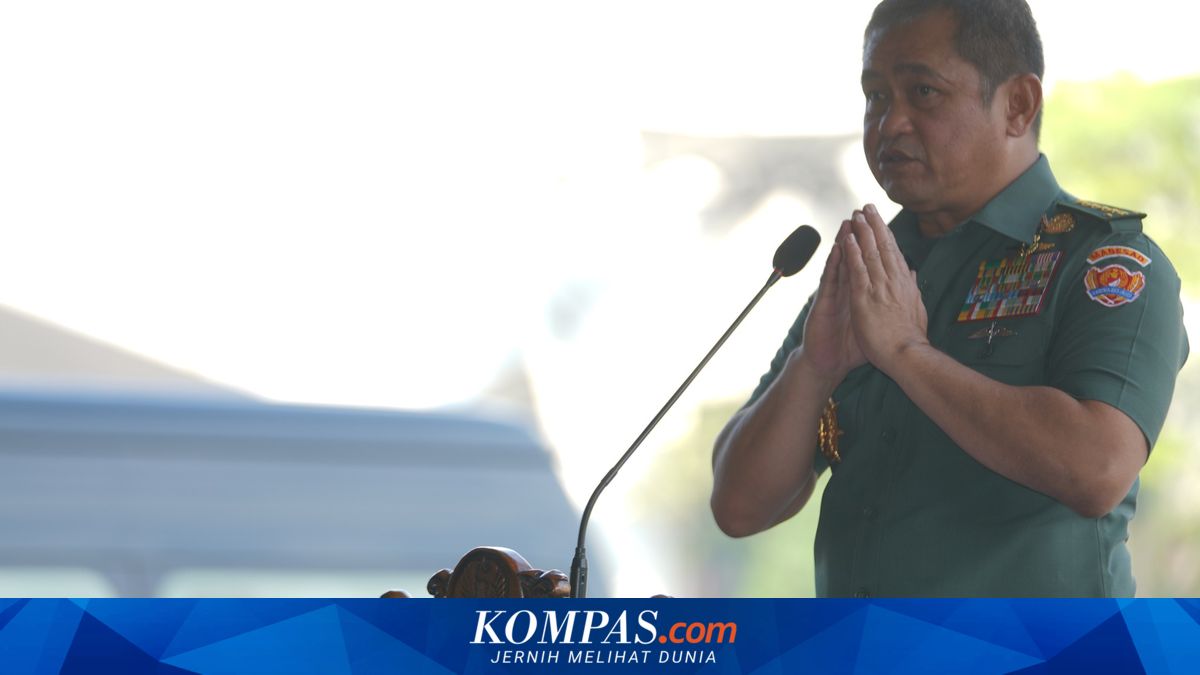
The statement by the Army Chief of Staff (Kasad) General Maruli Simanjuntak in a working meeting with Commission I of the DPR recently left a resonance of reflection that crossed the boundaries of military bases. With a playful yet meaningful tone, he quipped, ‘It’s nicer to be a civilian than a soldier if you want to misbehave.’ On one hand, the remark illustrates how rigid the doctrine, military criminal law, and the chain of command bind every soldier. But for the public listening, the sentence seems to be a cracked mirror reflecting the sociological landscape of our civilian bureaucracy. A reflective question arises: is the civilian realm, especially the state apparatus, identical to a space permissive enough to be ‘naughty’?
From an organisational psychology perspective, the military has an esprit de corps mechanism, or a mechanistic and absolute corps bond. Any violation, even the smallest, faces not only rigid legal sanctions but also social sanctions in the form of the collapse of unit honour. This structure creates total obedience for the sake of national defence solidarity.
By contrast, the civilian space, including the Aparatur Sipil Negara (ASN), is designed on the basis of democracy, measured individual freedom, and more egalitarian working relationships. Negative solidarity often dominates over public accountability. In organisational psychology terms, this phenomenon aligns with the Groupthink theory developed by Irving Janis. Janis explains how a group can become trapped in an illusion of hollow togetherness, where the desire to preserve group harmony undermines critical thinking and objective morality. Consequently, when a colleague shows mediocrity, leads a lifestyle that is extravagant beyond reason, or is even suspected of corrupt acts, the internal control mechanisms of civil bureaucracy often operate slowly. Instead of producing social sanctions that discipline, the culture that has developed tends to be indulgent or turn a blind eye to avoid internal conflict.