
Nurturing the Innate Nature After Ramadan
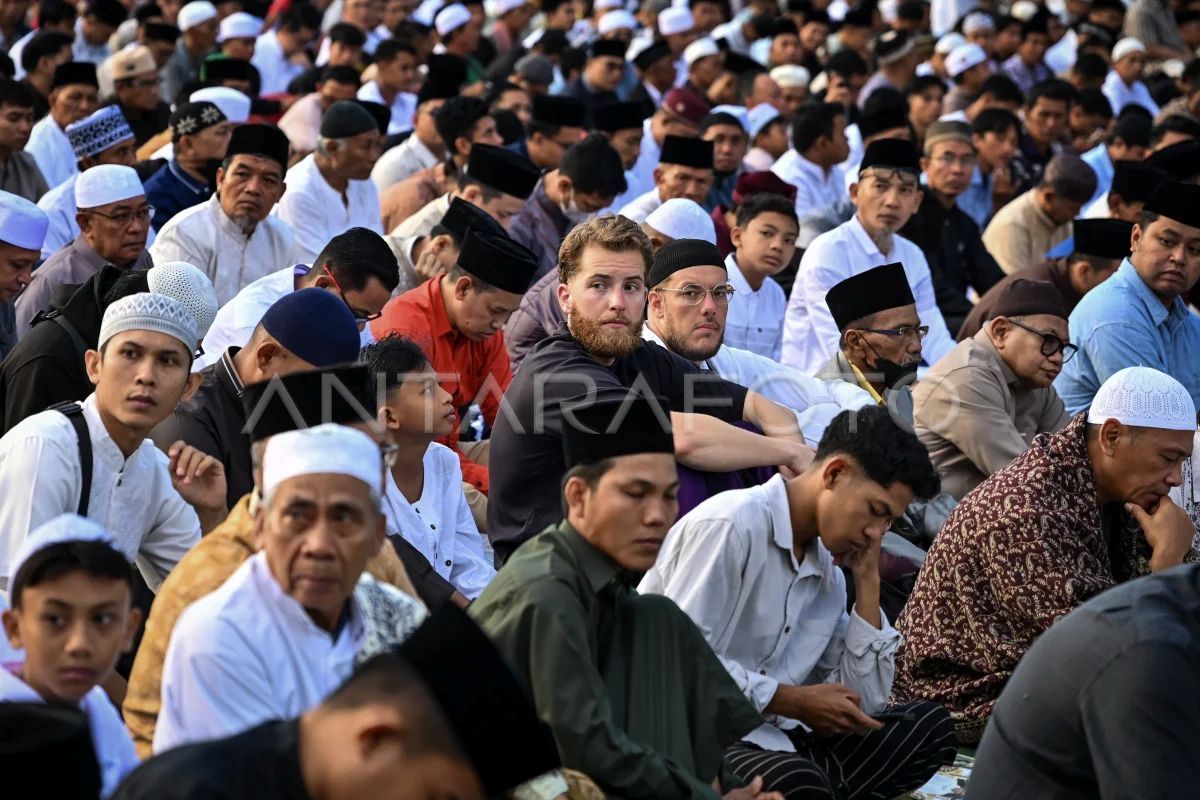
Idul Fitri teaches that blessings lie not in what one possesses, but in what one shares. This message is particularly relevant amid NTB’s efforts to pursue economic growth while curbing social inequalities. Mataram (ANTARA) - On Saturday morning (21/3), the sky over Mataram felt cooler than usual. Thousands of people in their finest attire flocked to fields or mosques, taking the same steps towards a single point of awareness: returning to being cleaner human beings. From the city centre car park to the government field, a vast expanse of prayer mats seemed to unite diverse backgrounds into one collective identity as a community that has just completed its spiritual journey. Idul Fitri in West Nusa Tenggara (NTB) is more than an annual celebration. It is a space for social reflection that brings together religious values, local culture, and development realities. This moment presents a complete picture of NTB, not only as a region with tourism potential and resources, but also as a society continuously processing to find balance between personal piety and social responsibility. In this context, the meaning of Idul Fitri becomes relevant for deeper examination. It is not just about victory after enduring hunger and thirst, but about how Ramadan’s values are translated into daily life after the echoes of takbir fade. Social Solidarity In various locations across NTB, this year’s Idul Fitri prayers highlighted one prominent aspect: the strength of togetherness. From Bumi Gora Field in central Mataram to mosques in Central Lombok, they were filled with people from all walks of life. No social barriers were apparent. Everyone stood in one line, side by side, facing the same direction. This phenomenon is not merely a ritual, but a representation of the equality value at the core of Islamic teachings. Idul Fitri returns humans to their innate nature, to the original clean state, without worldly hierarchies. In the NTB context, this value finds form in the strong tradition of maintaining ties, mutual forgiveness, and the habit of sharing.