
Nurturing the Golden Goose: The Reality of Palm Oil Cultivation
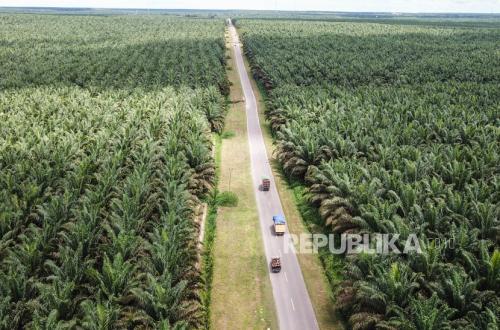
Palm oil is frequently perceived as a commodity that easily generates profit. In common public discourse, it is often depicted with a simple narrative: plant the trees, wait several years, then harvest will come of its own accord. Whilst such a narrative sounds attractive, it does not fully reflect field realities.
In plantation practice, palm oil is in fact a crop that demands serious attention and consistent management. Productivity does not arrive automatically. It is the result of a lengthy process involving the selection of superior seedlings, regular fertilisation, proper water management, and disciplined plantation maintenance.
Plantation practitioners frequently remind us that the success of palm oil is determined more by the quality of management than by land area alone. The same tree, planted in the same region, can produce vastly different productivity depending on how the plantation is maintained.
Here lies the technical reality of plantation practice that often escapes public attention. Palm oil requires adequate nutrition and correct fertilisation. Without it, plant growth will be hindered and harvests will decline. Additionally, plantations must be protected from various pests and plant diseases. One serious concern in palm oil plantations is basal stem rot caused by the fungus Ganoderma. This disease can gradually damage trees and significantly reduce plantation productivity. Its management is not straightforward and often requires substantial costs and meticulous plantation care.
In other words, palm oil productivity is not something that arrives of its own accord. It is the result of constant attention, considerable investment, and high management discipline.
The majority of palm oil plantations in Indonesia are managed by smallholder farmers working with limited resources. They frequently face various obstacles, ranging from access to superior seedlings and limited capital to purchase fertiliser, to restricted access to technical knowledge regarding proper plantation management.
As a result, the productivity of smallholder plantations is often lower compared with professionally managed estates. Yet the potential of the plants they cultivate is fundamentally the same. The difference lies more in the capacity to maintain and manage plantations optimally.
This demonstrates that the success of palm oil is determined not only by natural factors but also by management capacity. Plantation work is essentially a long-term activity requiring agronomic management, stable financing, and adequate technical knowledge.
Plantation companies often play an important role in maintaining standards of plantation management and plant productivity. With greater resources, they are generally able to apply more systematic agronomic practices, from seedling selection to harvest management.
Well-managed cooperatives can also serve as an important vehicle for helping smallholder farmers improve their capacity. Through strong organisations, farmers can obtain better access to financing, technology and training.
Therefore, the future of Indonesian palm oil fundamentally depends not only on land area but also on the quality of its management ecosystem. If management is conducted professionally and consistently, palm oil’s potential can continue to develop. Conversely, if plantation care weakens, productivity will gradually decline.
In the plantation world, declining care rarely manifests suddenly. It typically occurs gradually. Trees that are under-fertilised or poorly maintained may still stand, but their yields are no longer optimal. Over the long term, such conditions can reduce a commodity’s competitiveness.
For Indonesia, palm oil holds enormous economic importance. This commodity has become one of the principal pillars of national exports whilst serving as a livelihood for millions of families across various regions.
For this reason, maintaining palm oil essentially means maintaining one of the important foundations of the national economy.
Palm oil is often called Indonesia’s “golden goose”. This expression is not an exaggeration given its contribution to foreign exchange, employment, and regional development.
Yet in the plantation world, success does not come simply from planting trees but from the patience to care for them. A poorly maintained tree will not stop living abruptly, but will gradually lose its productivity.
Here lies the importance of viewing palm oil more realistically. It is not merely a commodity that can be left to grow of its own accord. It requires attention, investment, and sustainable management.
If we wish this “golden goose” to continue benefiting Indonesia over the long term, then what must be protected is not only the trees themselves but also the ecosystem that enables those trees to be properly maintained.
In the plantation world, neglected trees rarely die instantly. They simply stop producing yields. And for a strategic commodity such as palm oil, the luxury of allowing it to stop bearing fruit is something we cannot afford.