
Nurturing the future of sasi, the guardian of the Bird's Head seascape
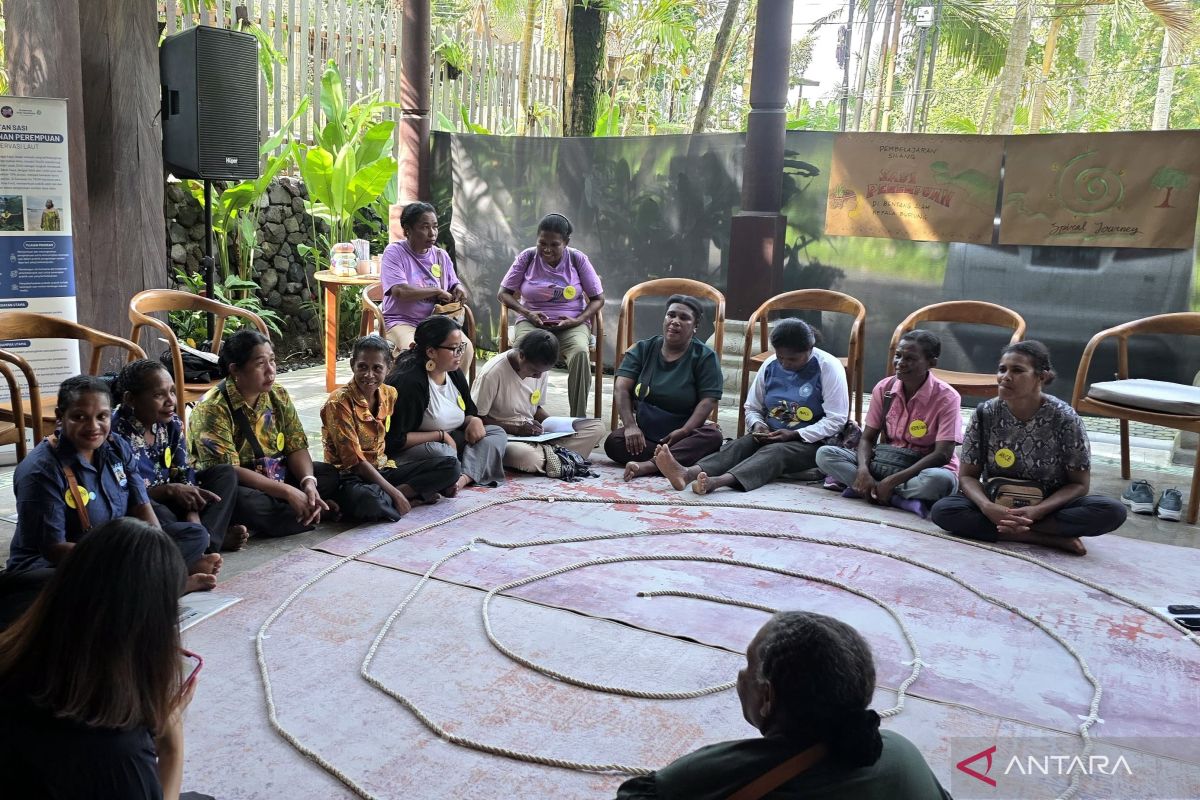
The clock had just struck 09:00 WITA, yet the lively sounds of music interspersed with laughter were already breaking the silence of a small street in Ubud Village, Gianyar Regency, Bali Province.
After breakfast together, the mamas (mothers) began their Friday (10/4) with waist twists, clenched fists, and leg swings, before engaging in a series of activities for one important mission: ensuring the sustainability of sasi.
Yes, they are all part of marine sasi groups from three villages: the Waifuna Group from Kapatcol Village, the Joom Jak Group from Aduwei Village, and the Zakan Day Group from Salafen Village, all from Raja Ampat Regency, Southwest Papua Province.
Sasi is a customary rule that prohibits local communities from exploiting natural resources, both on land and in waters, during a predetermined period to support the conservation of ecosystems within them.
When the sasi period ends, the sasi groups are permitted to take natural resources within a certain timeframe using simple and non-destructive fishing gear that does not harm the environment.
For the mamas, sasi is akin to a mother, guarding the Bird’s Head seascape—the nickname for Raja Ampat Regency and its contents—so that it remains healthy and long-lived.
Ensuring the sustainability of sasi means ensuring the sustainability of their children’s and grandchildren’s lives as coastal communities.
Therefore, they willingly undertook the long and arduous journey of thousands of kilometres to the Island of the Gods to gain knowledge and exchange ideas with fellow marine sasi groups.
For five days with the Nusantara Nature Conservation Foundation (YKAN), they joined hands across generations to nurture hope for the continuity of women’s sasi groups amid various global crisis threats.
Exchanging mamas’ recipes for guarding sasi