
Nurturing the Creative Economy Amid Ramadhan's Twilight
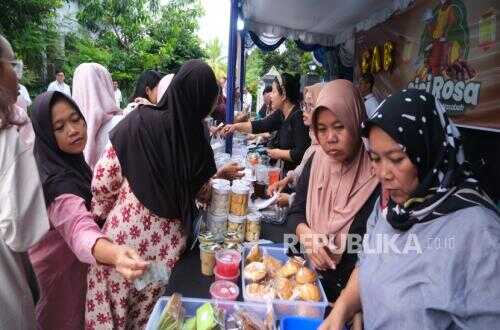
The twilight of Ramadhan always has its own way of drawing people out of their homes. The sky gradually turning golden, the smell of fried foods dancing in the air, and footsteps quickening toward the breaking of the fast. In cities that grow with the beat of the people’s economy, the moment is not merely about awaiting the call to prayer; it also becomes a space for encounters between tradition, creativity, and the hope of livelihoods that are better. In Semarang, that mood will find its stage on 9 March 2026. The Central Java Provincial Government, together with the local National Creative Economy Movement (Gekrafs), plans to hold “Ngabuburit Kreatif dan Pasar Takjil” at Wisma Perdamaian. Around 60 UMKM (micro, small and medium enterprises) from across Central Java will participate, presenting a range of culinary offerings as well as creative economy products. Chairperson of Gekrafs Central Java, Berty Diah Rahmana, called the event a meeting space between business actors and the public enjoying the Ramadhan atmosphere. The takjil market will be open from 15:00 until just before the breaking of the fast at around 18:30 WIB. Between the bustle of buyers and sellers, content creators will also add to the event, making it not merely a seasonal market but a celebration of creativity. The activity is being staged through collaboration with several regional government agencies (OPDs) within the Central Java provincial government. Moreover, the takjil market will be paired with the Speling mobile specialist doctors programme, which provides health services to the public. Central Java Governor Ahmad Luthfi said such steps should be expanded to all regencies and cities. According to him, strengthening the creative economy cannot stop at a one-off event. It must be designed as a sustainable movement, an ecosystem that gives space for people to grow together with their creativity. The potential is not merely a dream. Data from the Ministry of Creative Economy shows that exports of the creative economy sector from Central Java reached about Rp53 trillion in the first half of 2025. That figure places the province as the second-largest contributor to national creative economy exports. Head of the Central Java Department of Culture and Tourism, Hanung Triyono, added that the development of the creative economy cannot work in isolation. It requires nodes that connect—government, communities, associations, and business actors alike. In the tourism sector, Hanung said, elements of culture, creativity, and people’s economic activity have always gone hand in hand. Each region in Central Java has its own distinct character. Therefore, the development of the creative economy is hoped to highlight local distinctiveness and add value to each region. If Semarang sparks creativity through spaces for meeting, such as the Ramadhan takjil market, in South Tangerang similar efforts move forward by strengthening the business ecosystem. This relatively young city in Banten Province is growing rapidly as a hub for culinary, fashion, and crafts, with thousands of UMKM continually seeking room to grow. During a reses visit to the South Tangerang City Government, Deputy Chair of Commission VII of the Indonesian House of Representatives, Rahayu Saraswati Djojohadikusumo, proposed the creation of a one-stop shop service for entrepreneurs. The idea is intended to simplify the processing of various licensing documents for UMKM quickly, accurately, and transparently.