
Nuclear or Regime Change? Weighing Iran's Geopolitical Future and Indonesia's Economic Prospects
Global audiences held their breath in early 2026 as tensions in the Persian Gulf intensified. The central question is no longer when a physical confrontation might escalate, but what the ultimate objective of this escalation is. Is this a purely global effort to curb Tehran’s nuclear ambitions, or a grand design to engineer regime change in the Islamic Republic?
For Indonesia, the conflict thousands of kilometres away is not merely foreign news; every development in Tehran resonates directly with domestic purchasing power, through energy price transmission and exchange-rate stability.
Over the past decade, Iran’s uranium enrichment programme has been at the centre of international security debates. Yet many geopolitics observers view the nuclear issue as the surface layer of a deeper struggle for influence. Regime change is often regarded by Western powers as a permanent solution to curb Iran’s influence in the Middle East, from Iraq and Syria to Yemen.
If regime change becomes the main agenda, any conflict is likely to be long and asymmetric. This creates uncertainty which financial markets ardently dislike.
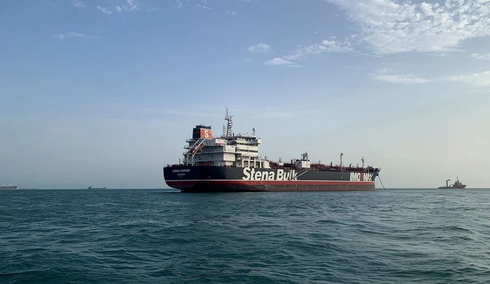
Iran wields Hormuz as a trump card in any open conflict: the Strait of Hormuz, a chokepoint for nearly a fifth of global oil supplies. A closure or disruption would trigger a massive supply shock.
Data analysis indicates that if global crude prices breach macro-fiscal assumptions in the Indonesian APBN, the government would be faced with two hard choices: increasing energy subsidies or adjusting domestic fuel prices with the risk of fuelling inflation.
As a nation dependent on capital-flow stability, Indonesia is highly sensitive to risk-off sentiment in global markets. Here are three main impacts to anticipate:
In line with constitutional mandate, Indonesia will take an active diplomacy approach. Jakarta’s priority is to push for de-escalation through the United Nations (UN) and the Organisation of Islamic Cooperation (OIC) to forestall broader humanitarian and economic crises.
Historically, major Middle East conflicts trigger capital flight to safe assets such as gold and the US dollar, potentially exerting depreciation pressure on the rupiah. Bank Indonesia is likely to intervene in foreign-exchange and bond markets to maintain stability.
Facing geopolitical uncertainty in 2026, Indonesia needs to bolster domestic resilience. Accelerating energy self-sufficiency and diversifying trading partners are key to reducing over-reliance on a region prone to conflict.
Ultimately, whether the nuclear issue or regime change shapes the narrative, Indonesia must prepare for a more fragmented new world order. Prudent diplomacy and cautious economic management are its primary shields as it navigates this geopolitical storm.
Analyses note that the Iran–US conflict could trigger a global energy crisis. Former US President Donald Trump has offered to provide naval escort and insurance for tankers through Hormuz as oil prices rise.
The Strait of Hormuz is the lifeblood of global energy. See its geographic location, history and strategic implications for the global economy and Indonesia in 2026.
The Indonesian House of Representatives (DPR) expressed support for the Minister of Energy and Mineral Resources’ mitigation measures against potential oil supply disruptions.
Asia-Pacific stock indexes fell amid the escalation of the US-Israel conflict with Iran. The closure of the Hormuz Strait raised concerns about a global energy crisis.
Geopolitical tensions in the Middle East are starting to impact global energy supply chains.
Deputy Speaker of the MPR Lestari Moerdijat called on the government to anticipate the impact of the US–Iran war on the Indonesian economy, including inflation risks.
Escalation of the conflict between the United States, Israel and Iran is beginning to hit the US economy.
Asia-Pacific stock indices fell amid the escalation of the US-Israel conflict with Iran. The closure of the Hormuz Strait raised concerns about a global energy crisis.