
NTB Museum to Showcase Six Wastra Artefacts in Australia
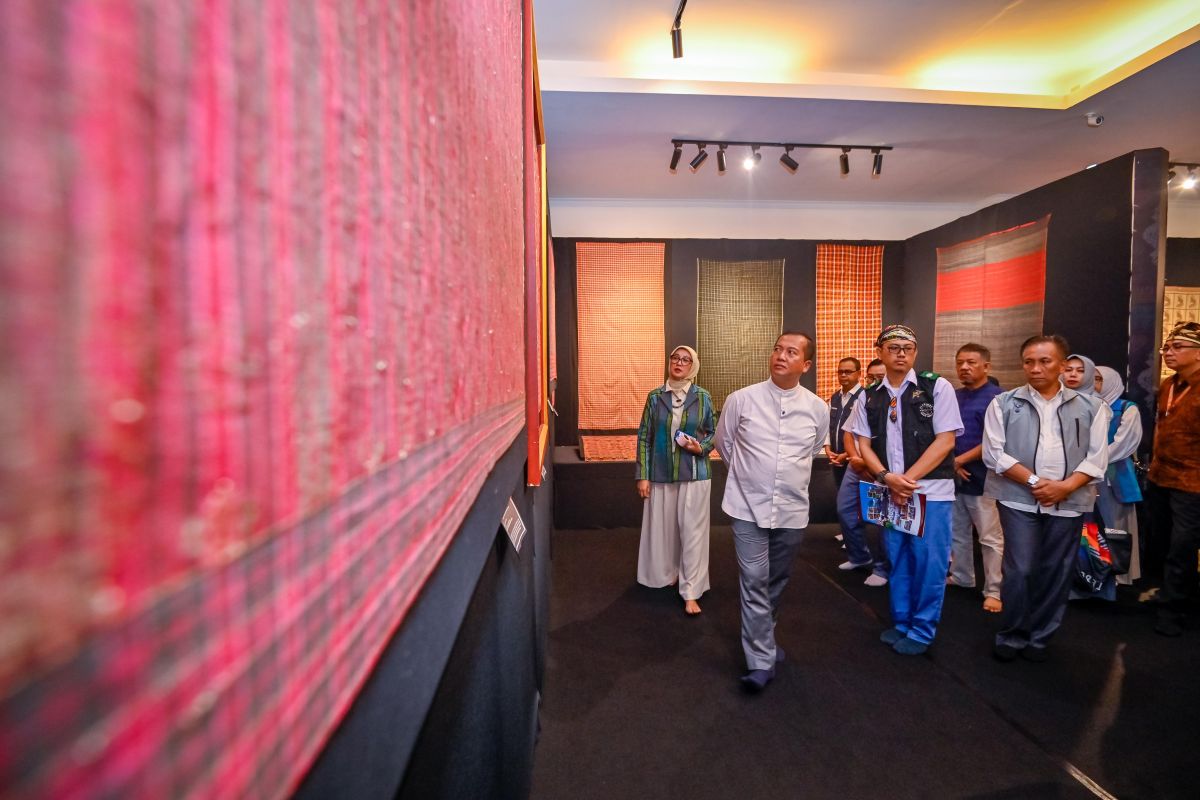
Mataram (ANTARA) - The State Museum of West Nusa Tenggara (NTB) is preparing six outstanding wastra artefacts for exhibition at an international event in Adelaide, South Australia, from 15 May to 11 October 2026. Head of the NTB Museum, Ahmad Nuralam, stated that these six collections hold high historical value, representing the cultural identity of the Sasak people who inhabit Lombok Island. “These collections reflect and represent the culture of Lombok society in textiles,” he said when met in Mataram on Thursday. Nuralam explained that the six collections to be exhibited by the NTB Museum include kain songket bintang remawa, kain dodot songket, kain songket seret penginang, kain tapo kemalo, and two sheets of kain kemalik. One of the museum’s masterpiece textiles is the kain dodot songket, estimated to originate from the period of the last King of Mataram Lombok, Anak Agung Gede Ngurah Karangasem, between 1870 and 1894. The cloth, commonly used as attire for traditional and religious ceremonies, is made from silk threads using the songket technique. The cloth’s decorations feature motifs of the endemic Australian lyre bird, peacock, kala, bamboo shoots, and flowers. Nuralam explained that the motifs embedded in the kain dodot songket carry meanings containing hopes that the wearer obtains happiness and protection. Kain kemalik is used as a symbol to ward off evil, while the motifs on songket seret penginang convey meanings of togetherness and harmony in social life. “There are symbols that hold meanings as part of the daily life of the community in traditional and religious ceremonies,” he elaborated. The international wastra exhibition, titled Two Islands, One Thread: The Textiles of Lombok and Bali, is being held by the Art Gallery of South Australia (AGSA) in Adelaide, South Australia. The exhibition explores the extraordinary and unique story of artistic exchanges that occurred between Balinese Hindu communities and Muslim Lombok communities over the past millennium. The exhibition highlights the diversity of arts, including woven textiles, embroidery, paintings, and tie-dye, created by Lombok and Bali communities as expressions of spiritual beliefs, community values, and respect for their ancestors. “It turns out that textiles are very rich in symbols, traditions, and all sorts of things. This is one way for us to bring our culture to an international level,” Nuralam concluded.