
NTB academics support gadget restrictions for children
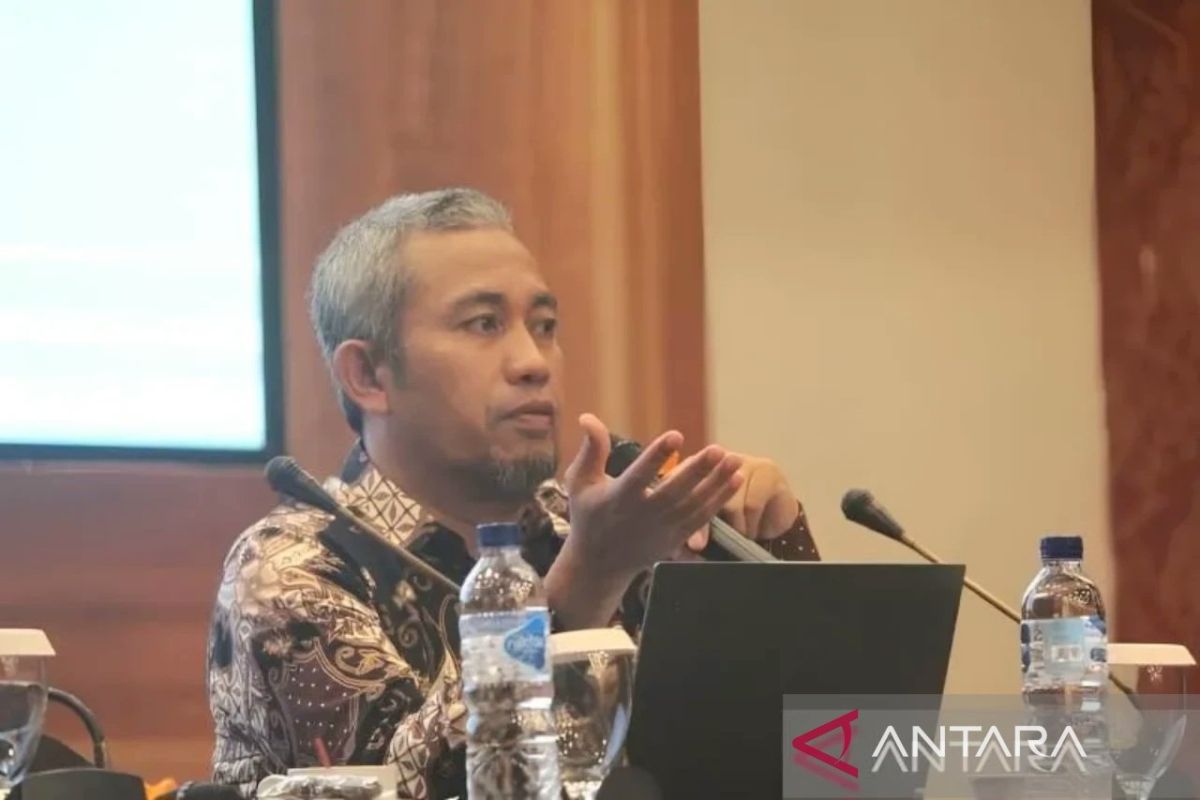
Mataram (ANTARA) - An education expert and academic from Muhammadiyah University of Mataram (Ummat) in West Nusa Tenggara Barat, Dr Syafril, fully supports the Government Regulation (PP) on the Governance of Electronic Systems Implementation for Child Protection, known as PP Tunas (Wait Until the Child is Ready).
“I think it’s good for the development of children’s social psychology and developmental psychology. Because children nowadays tend to focus on social situations without paying attention to the people around them. This is very dangerous for social cohesion,” he said when contacted by telephone in Mataram on Saturday.
He acknowledged that since children became addicted to gadgets, their learning traditions have also been disrupted because children prefer games.
“Not to mention the films that can direct children’s psychology to keep watching,” said the former Dean of the Faculty of Teacher Training and Education (FKIP) at Ummat.
“Several countries like Finland, Singapore, and others limit the use of handphones/gadgets to restore children’s learning habits,” he stated.
Reflecting on those countries, the Indonesian government, he said, needs to implement the same because, in his view, Indonesia is too free, exceeding the freedom of liberal countries in the use of gadgets or handphones, especially for children.
“It can be said that Indonesia is more liberal than liberal countries in terms of handphone use. There are almost no restrictions for children to enjoy social media, films, entertainment shows, and games,” revealed the Secretary of the Rector I at Muhammadiyah University of Mataram (Ummat).
He assessed that this could become an obstacle to the government’s efforts to regulate handphone use for children in Indonesia based on age. Therefore, he suggested to the government to involve all parties if the implementation of the PP is to succeed.
“All parties need to be involved, including schools, parents, providers, and others, to make the regulation effective,” he said.