
Now There's an AI Robot App Store, Allowing Robots to Be Created Without Coding
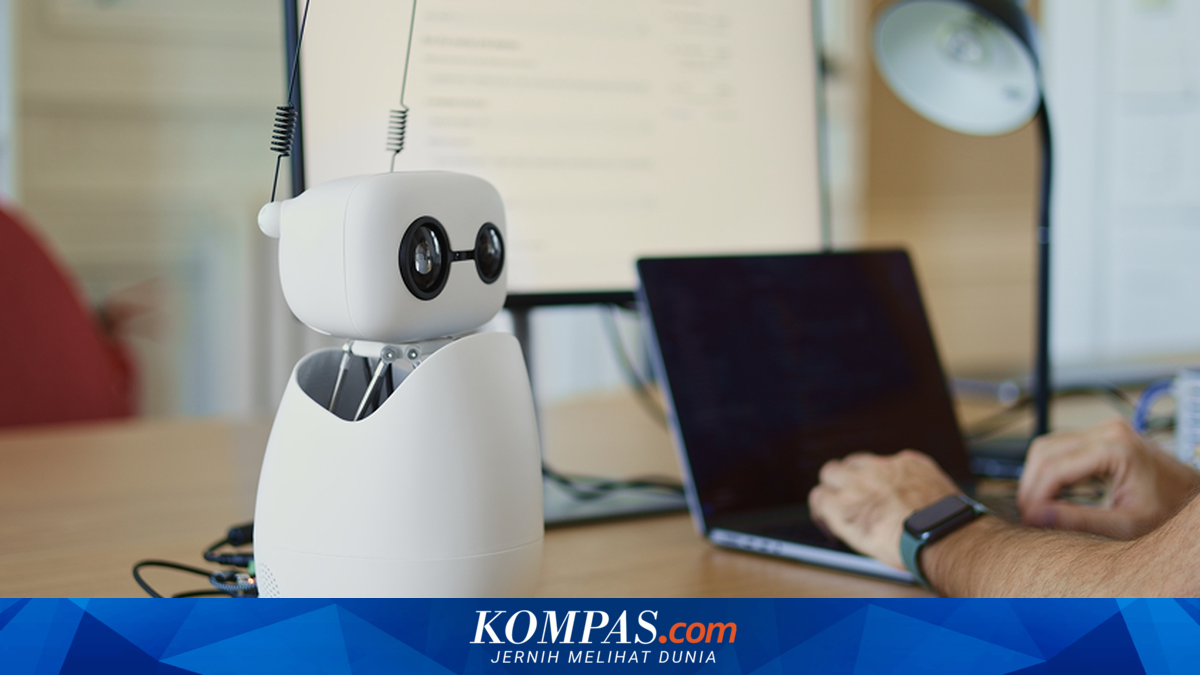
Hugging Face, an AI company, has launched an app store specifically for their desktop AI robot, Reachy Mini. The concept is similar to the App Store on smartphones, but this time it is aimed at physical AI-based robots. Through the new platform called the Reachy Mini App Store, users can download, install, and create applications for the robot more easily. Upon launch, the app store already features more than 200 community-built applications that can be downloaded for free by Reachy Mini users. CEO and co-founder of Hugging Face, Clément Delangue, stated that the main goal of this platform is to make robots more accessible to ordinary people. “Anyone can create applications,” said Delangue in an interview with VentureBeat. Unlike traditional robot development, which requires coding and robotics skills, the Reachy Mini App Store utilises AI agents to help create applications automatically. Users simply need to describe the desired function in everyday language, for example, “make the robot wave when someone says good morning.” Afterwards, the AI will generate the code, test the application, and send it directly to the robot. Hugging Face claims this approach can reduce the robot integration process, which typically takes weeks, to just minutes. The platform supports various popular AI models such as GPT-5.5, Claude Opus 4.6, Gemini Live, and Hugging Face’s own internal model named ML Intern. The robot comes in two versions. According to Hugging Face, around 10,000 units of Reachy Mini have been sold so far. Interestingly, users without a physical robot can still try creating applications via a browser-based virtual simulator available on the App Store. Hugging Face views the launch of this app store as an important step towards bringing robotics into a more mass-market era, similar to PCs and smartphones. “The goal is to provide a platform for people who want to enter the world of robotics but lack hardware or technical skills,” said Delangue, as reported by KompasTekno from VentureBeat.