
Not Unimportant: What Happens to Children's Brains When They Play
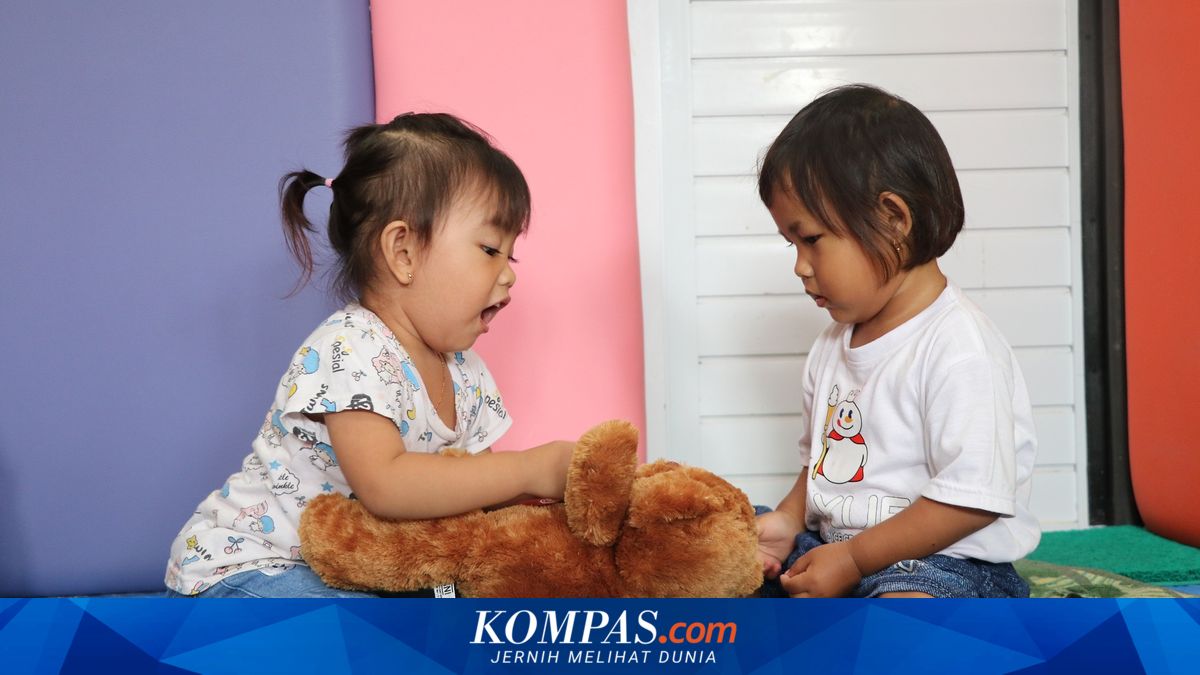
The world moves increasingly rapidly, and childhood itself is experiencing changes far removed from previous generations. Digital technology, abundant information, and demands for future competencies have prompted many parents to feel their children must “learn quickly”. Consequently, many young children are burdened from an early age with various academic activities, including reading courses, numeracy lessons, and supplementary classes before they are truly ready.
Yet the early years of life represent a time when children learn differently from adults—through play. Sisilia Maryati, a member of the ECED Council Indonesia, explained that today’s children do have broad access to information, yet the challenges they face are increasingly complex. “They must be able to filter information, understand a constantly changing world, and adapt to various new situations,” she stated.
The education practitioner from Sekolah Mutiara Ibu in Purworejo, Central Java, noted that children also need to develop critical thinking skills, creativity, communication, and teamwork abilities. These skills are known as 21st-century skills, or the “4Cs”: creativity, critical thinking, communication, and collaboration.
The question then becomes: when should these abilities begin to be developed? The answer is far earlier than commonly imagined. Child development research demonstrates that the most determining period in human life actually occurs in early childhood. This period is often called the “golden age”, when brain development occurs very rapidly.
During this time, children learn from almost everything they encounter—sounds, language, body movement, emotional expression, and the ways adults interact. Sisilia noted that early childhood education (PAUD) is not merely to prepare children for primary school entry, but serves a more foundational purpose in developing the cognitive and social foundations essential for lifelong learning.