
Not the Middle That's Safe, But Why Can It Be Disastrous?
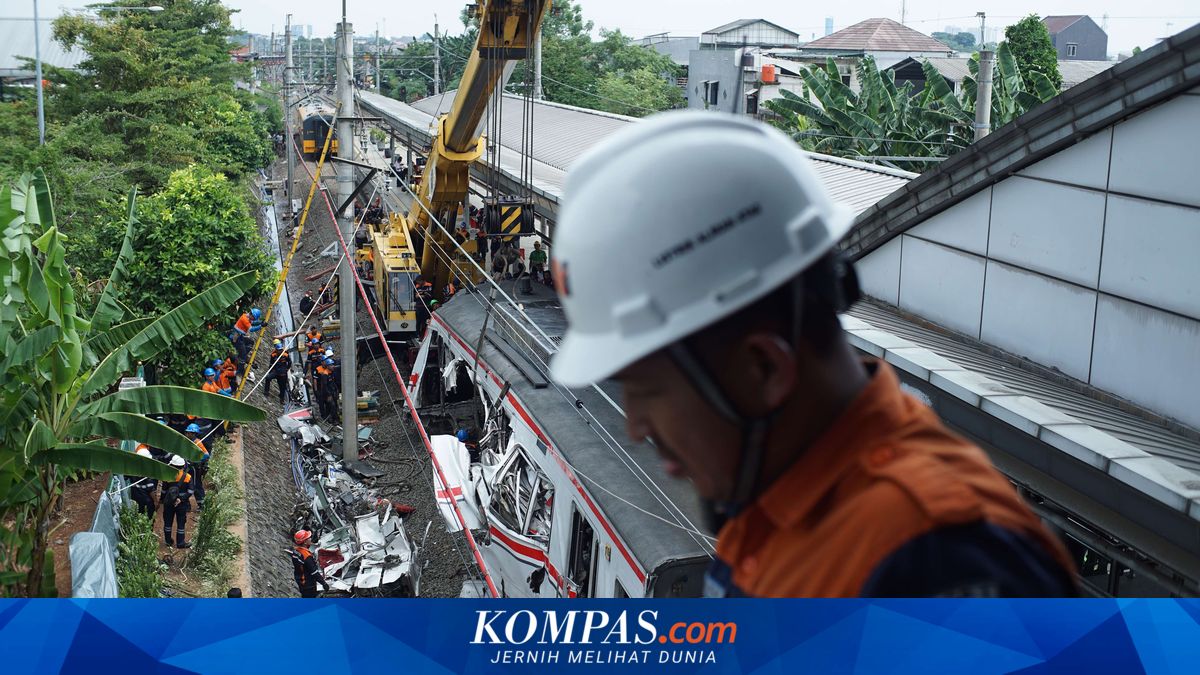
Not long after a major accident, a seemingly simple question usually arises: what is the safest position? That question feels reasonable, even reassuring. As if safety could be mapped to a single point—front, back, or middle of the train. The problem is, in transportation systems, that question is flawed from the start. Safety is never determined by position alone. The idea that the middle position is safer stems from easily understandable logic. The further from the point of impact, the lesser the effect. In a rear-end collision scenario, this assumption does have a physical basis. However, train accidents do not occur in only one form. Damage patterns greatly depend on the type of incident—derailment, chain collisions, to fires within the train. In certain conditions, damage distribution is not concentrated at one end. Damage can spread or even reach a maximum at another part of the train. This means there is no single position that is consistently the safest. This is where policy risks begin to emerge. Taking one type of accident and using it as the basis for designing a universal solution is a dangerous form of simplification. In systems analysis, this is known as single-scenario bias. This is designing policy based on one possibility while ignoring others. Yet transportation systems are designed precisely to face uncertainty, not a single certainty. If policy is built from one dominant scenario, it will be fragile when faced with other scenarios. Even more concerning is its psychological effect. When the public is convinced that one position is safer, we indirectly create an illusion of control. This is the belief that risk is already “managed”, when in fact it is merely shifted. In many safety studies, such illusions are actually dangerous. They reduce systemic vigilance because attention is focused on one seemingly concrete solution.