
Not Only Salary Cuts for Officials, Muhammadiyah Urges Government to Take These Steps to Anticipate Global Crisis
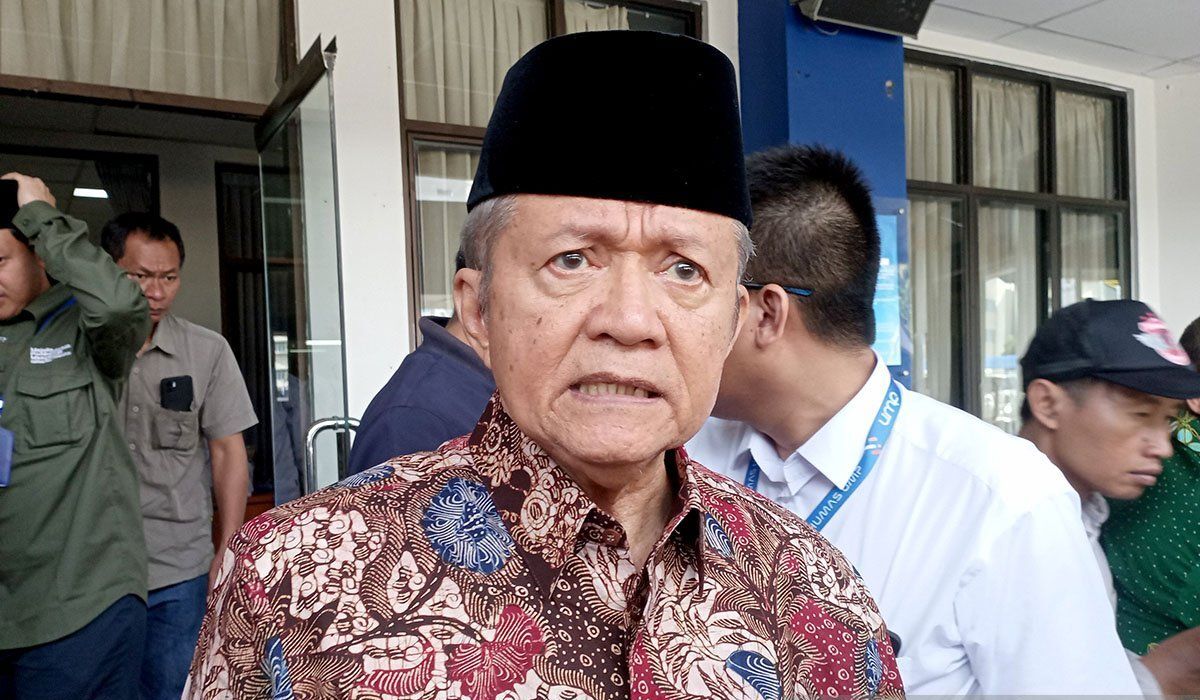
Muhammadiyah’s central leadership chairman Anwar Abbas has commented on President Prabowo Subianto’s plan to cut the salaries of officials, particularly ministers and members of parliament. However, Abbas stated that any salary reduction must be carried out with the consent of those officials.
“Salary is a right belonging to each of them. If they agree to have their salaries reduced, then certainly the government can do so, but if they are unwilling, that is clearly problematic,” he told Media Indonesia on Monday (16 March).
Furthermore, Abbas, who also serves as Deputy Chairman of the Indonesian Ulema Council (MUI), added that it would be preferable if the government’s initiative were also extended to officials at state-owned enterprises (BUMN), as their salaries are also quite substantial.
“However, the question arises: what percentage of their salaries will the government take, for how long, and for what purpose? I believe this must be explained so that those whose salaries are being cut can also make calculations and plans according to their existing salaries,” said Abbas.
According to him, if the government genuinely needs funds in the current situation, steps beyond salary cuts alone are necessary. There are several other matters that need to be addressed. One of these is improving the management of loss-making BUMN enterprises. Additionally, the government must also improve the management of natural resources in accordance with the mandate of Article 33 of the 1945 Constitution.
“Resources should create the greatest prosperity for the people. However, in fact, what is being created is the greatest prosperity for a handful of individuals. So there is an error in its management. For this reason, Prabowo must seriously address this issue,” stated Abbas firmly.
According to him, President Prabowo must also be serious about combating corruption. If corruption accounts for approximately 30 per cent of the state budget, then at minimum, the government could secure approximately 1,000 trillion rupiah of its budget.
Finally, the government must also be able to improve its tax management system, as it is suspected that many wealthy individuals and capitalists in this country have evaded their taxes, resulting in them paying far less than they should.
“So my conclusion is that if the government indeed requires funds, then these four sources should be more than sufficient for us to overcome the economic problems we face should a global crisis befall us,” he concluded.