
Not Only Physical Destruction: The Harsh Economic Impact of Iran's Attack Felt by Israel
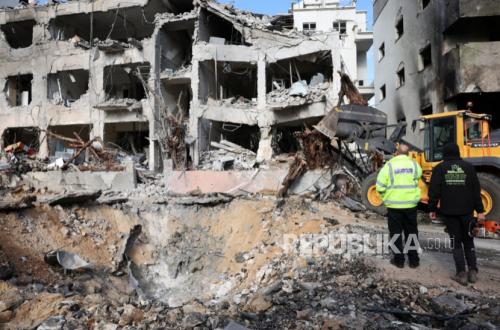
Tel Aviv — The impact of the ongoing war in Iran on the Israeli economy is evident in numbers not seen before in the labour market. Official estimates indicate that around half a million workers did not come to work as the government tries to revive parts of the economy to limit losses. Citing Al Jazeera, on Saturday 7 February 2026, the Israeli daily Calcalist quotes the Labour Ministry’s estimate that around 490,000 people are currently not working due to military mobilisation, temporary unemployment, and unpaid leave connected to the war. Data shows absenteeism reaching about 11 percent of the level recorded during the first war with Iran. Despite this broad absence, unemployment remains relatively low at 3.2 percent, according to Calcalist’s January 2026 report. The newspaper explains that the figure reflects only those actively seeking work, while those not present also include reservists and workers on unpaid leave. The Labour Ministry has identified several sectors most vulnerable to the war’s impact, particularly those dependent on on-site attendance and crowds. According to Calcalist, the arts and entertainment sector ranks highest with an estimated 20 percent drop in activity. The ministry also expects a roughly 10 percent decline in activity in the education sector due to the dismissal of coaches in informal education and non-permanent teachers going unpaid. Meanwhile the retail sector could see a roughly 7 percent drop in activity volumes.