
Not Just Oil: Aluminium Prices Also Rise Due to Iran War
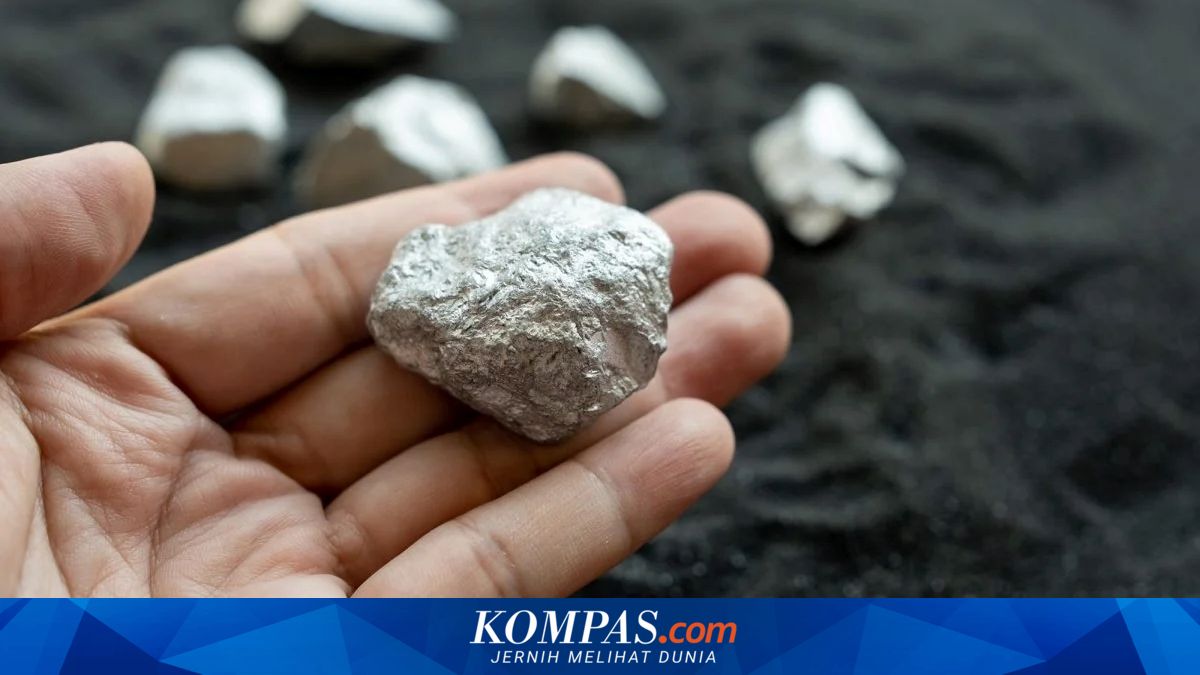
The conflict between the United States (US) and Israel against Iran is not only pushing up oil prices but also triggering a sharp surge in aluminium prices on the global market.
Quoted from CNBC on Thursday (19/3/2026), aluminium prices even reached the highest level in the last four years last week, amid disruptions to the supply chain in the Middle East region.
In fact, aluminium is one of the most abundant metals on Earth. Nevertheless, its role is crucial in the global economy, from the electronics industry, transportation, construction, to solar panels and packaging.
Supply disruptions were triggered by the effective closure of the Strait of Hormuz, a vital trade route for world energy and commodities, which directly impacts aluminium distribution.
In the last two weeks, aluminium has become the best-performing industrial metal. Until Wednesday (18/3/2026) afternoon London time, its price was around $3,370 per tonne, approaching the four-year high.
Supply pressures also come from the production side. Bahrain’s Aluminium Bahrain (Alba), which operates the world’s largest smelter, has cut production by about 19% from its total annual capacity of 1.6 million tonnes.
The research firm CRU Group estimates that if supply disruptions continue and stocks remain low, aluminium prices could break through $4,000 per tonne.
CRU’s chief analyst, Guillaume Osouf, stated that aluminium prices could actually be higher now if not held back by weak global demand.
He added that prolonged conflict could alter market projections for the entire year, both in terms of supply and demand.
On the other hand, the future direction of aluminium prices is also heavily influenced by China’s policies.
ACG Metals CEO Artem Volynets said that the Chinese government has room to increase supply by reactivating non-operating smelters if prices are deemed too high.
“If China reactivates idle capacity, global aluminium supply could become abundant,” he said.
Although aluminium prices have surged, analysts believe this metal is not yet attractive to retail investors like silver or copper.
Meanwhile, Osouf noted that investment fund participation remains limited since the conflict began. Long positions are only slightly lower than at the end of January.
Interestingly, short positions have increased by around 15,000 lots, indicating that some investors are starting to bet that aluminium prices will fall in the future.