
Not Just Markets: Hotels and Restaurants in Jakarta Required to Sort Waste
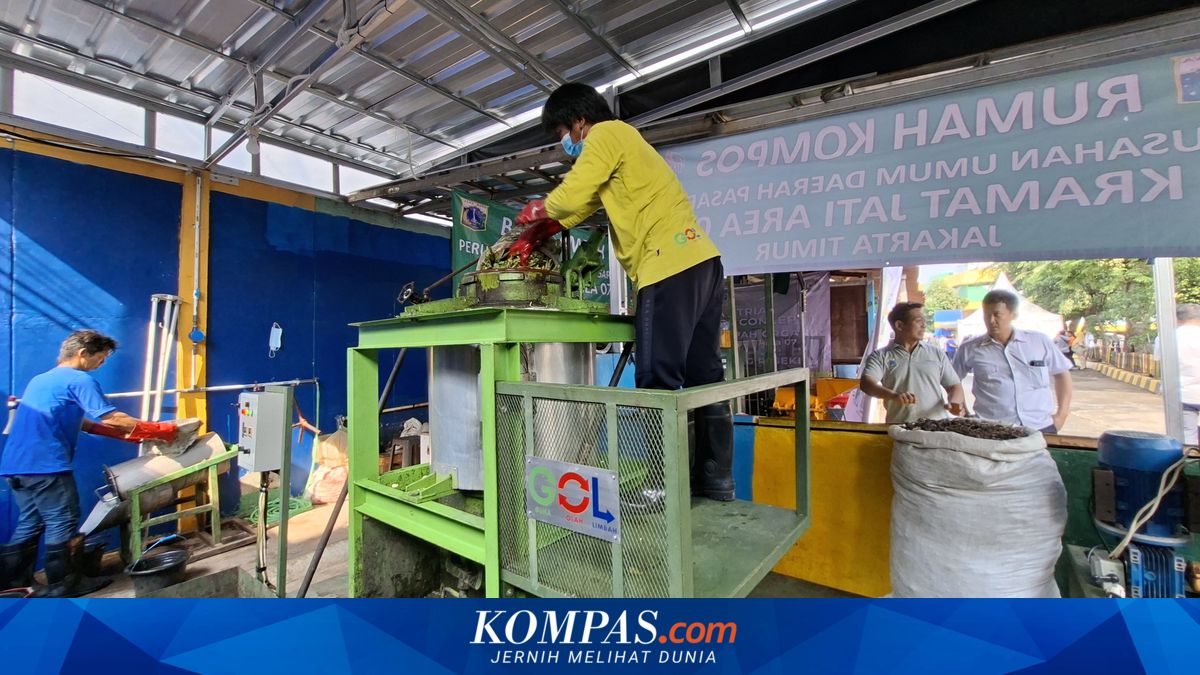
The Jakarta Provincial Government (Pemprov DKI Jakarta) has mandated all commercial sectors, including hotels, restaurants, and cafes, to independently sort waste. Jakarta Governor Pramono Anung stated that this policy is implemented through Governor’s Instruction (Ingub) Number 5 of 2026, given that these sectors are also major waste producers in Jakarta. “Not only market operators, but also hotels, restaurants, and cafes; we will treat them the same because their scale is quite large, and households too,” said Pramono after inspecting waste processing at Kramat Jati Market in East Jakarta on Monday (11/5/2026). The implementation of waste sorting for the hotel, restaurant, and cafe sectors will run concurrently with sorting at 153 markets managed by Perumda Pasar Jaya. Additionally, around 100 private markets not managed by Pasar Jaya are also said to be required to follow this instruction. “As is known, from markets managed by Pasar Jaya, there are 153 markets, approximately 500 tonnes that have been sent to Bantargebang. We will treat them the same, whether Pasar Jaya or non-Pasar Jaya; they remain responsible for waste processing by sorting at the market,” he said. Pramono also mentioned that waste sorting begins today and he has instructed the Jakarta Environmental Agency (DLH DKI Jakarta) to immediately carry out socialisation and supervision. Now, organic waste is converted into fertiliser for Jakarta’s green open spaces. “There are two types of fertiliser: one in liquid form, one in compost form, which will become organic fertiliser. Later, we will collaborate with private companies to produce outputs that will benefit landscaping and others, as well as with Pupuk Indonesia,” said Pramono. Regarding the implementation of waste sorting in households, Pramono promised to soon meet the needs of supporting facilities and infrastructure required during the waste sorting implementation. This includes the need for bins separated by type, to waste carts capable of holding organic and non-organic waste separately. “I have instructed the Mayors, Sub-district Heads, Village Heads, Neighbourhood Associations, and Community Associations. Gradually, of course, the facilities and infrastructure will also be prepared. But the most important thing is that this must be sustainable, it must not stop, because this is what will change the face of Jakarta in relation to waste,” he concluded.