
Not Just for Preventing Abrasion: Mangroves Can Absorb Heavy Metal Pollutant Mercury
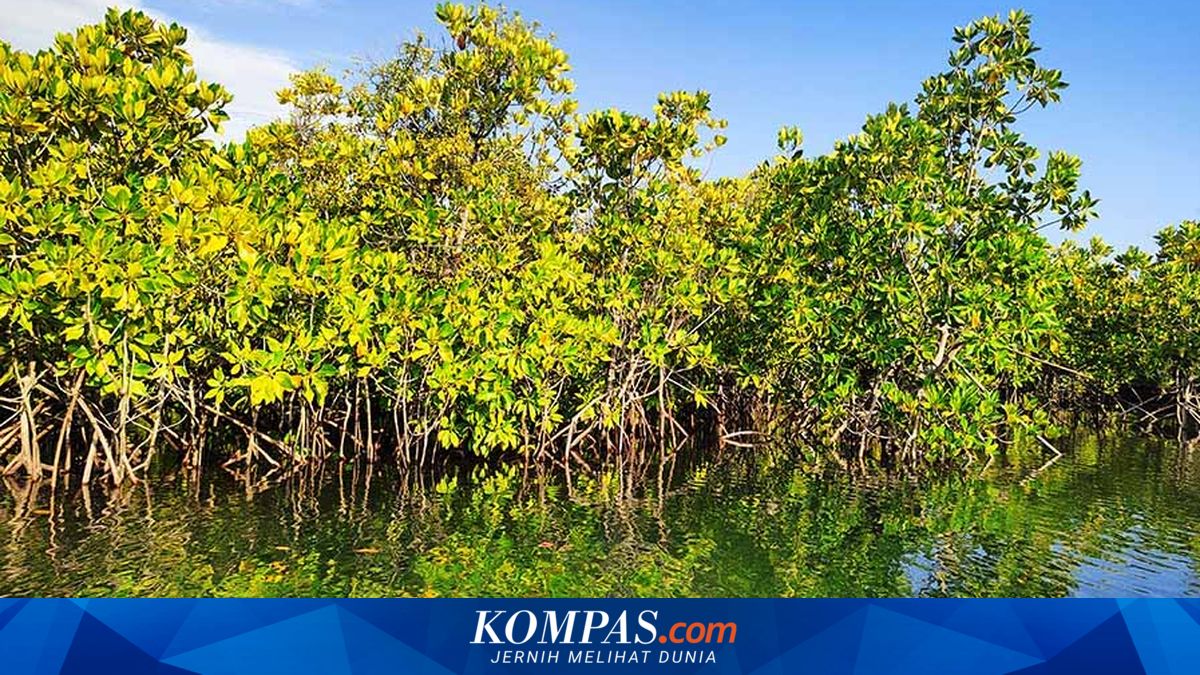
The rapid growth of intensive marine aquaculture activities in Indonesia, such as fish, shrimp, and seaweed farming, poses serious environmental challenges. The accumulation of uneaten feed and metabolic waste from organisms triggers waste buildup that threatens coastal ecosystem health. In response, the Marine Aquaculture Research Centre of the National Research and Innovation Agency (BRIN) offers a nature-based solution by utilising mangrove ecosystems as natural biofilters to mitigate water pollution impacts. This condition is dangerous as it can lead to hypoxia (dissolved oxygen depletion), resulting in stress and mass mortality of cultured organisms. “Intensive marine aquaculture activities, such as fish, shrimp, or seaweed farming, indirectly produce organic and inorganic waste from leftover feed,” said Adam during the Ocean Farm X Webinar on Monday (27/4/2026), as quoted by BRIN. As a response to these risks, BRIN offers an approach that leverages the natural capabilities of mangrove forests. Mangroves have a unique system capable of absorbing, sedimenting, and breaking down various pollutants in the water. “One potential approach here is how we utilise mangrove ecosystems as natural biofilters that can absorb, sediment, and break down waste and pollutants,” explained Adam. BRIN’s comprehensive research proves that mangroves are effective in absorbing harmful heavy metals like mercury. Based on laboratory test results, the pollutant was detected in the roots, stems, and leaves of the plants. “Our research results, in control conditions without exposure, showed no mercury. However, after treatment, we found mercury absorption by mangroves in the roots, stems, and leaves,” he stated. In addition to filtration functions, the BRIN research team also introduces green innovations in mangrove propagation. They have developed the use of ketapang leaves as a substitute for plastic polybags. This step is considered effective for supporting root growth while reducing plastic waste in coastal areas. In trials in semi-intensive shrimp ponds, the presence of mangroves proved capable of increasing shrimp resistance to pathogen attacks. Although production is not as high as in pure intensive systems, the resilience and maintained environmental quality provide long-term benefits for pond farmers. This serves as real evidence that damage to coastal ecosystems directly impacts the economy of local communities. Concluding his presentation, Awaludin emphasised that mangroves are a strategic natural solution. He called on all parties, from government to academics, to collaborate in preserving mangrove forests. “Broader and integrated implementation is needed, as well as collaboration between government, society, private sector, researchers, and students to keep mangroves sustainable,” he concluded.