
Not Just Buildings: Human Presence Stresses Wildlife and Alters Its Behaviour
For some time, scientists have focused more on how roads, towns, and agricultural land affect wildlife. But a large study published in Science reveals new facts: animals do not only respond to physical infrastructure, but also to the presence of humans themselves.
Footpaths may look the same every day, but wildlife experiences them differently when a group of hikers passes. The presence of humans has been shown to alter how animals move, search for food, and survive.
Measuring wildlife responses to humans on a large scale was initially very difficult. Researchers needed huge daily data on human movement alongside wildlife tracking data. A rare opportunity arose during the COVID-19 lockdowns, when movement policies changed drastically.
Using anonymised smartphone data that had been available to researchers, the team collected 11.8 million GPS location points from around 4,581 animals across 37 species in the United States during 2019 and 2020. Species studied include grey wolves, bobcats, bald eagles, puma, and elk.
“The animals are influenced by the direct presence of humans and changes in the physical environment caused by humans, such as agriculture and urbanisation,” said Walter Jetz, Professor of Ecology and Evolutionary Biology at Yale. “This study is the first to directly assess at scale how both causes, separately or in combination, affect wildlife habitat use.”
The findings are striking. More than two-thirds of species altered their behaviour to monitor human activity in real time. 67% of mammals and 68% of bird species showed a real reaction.
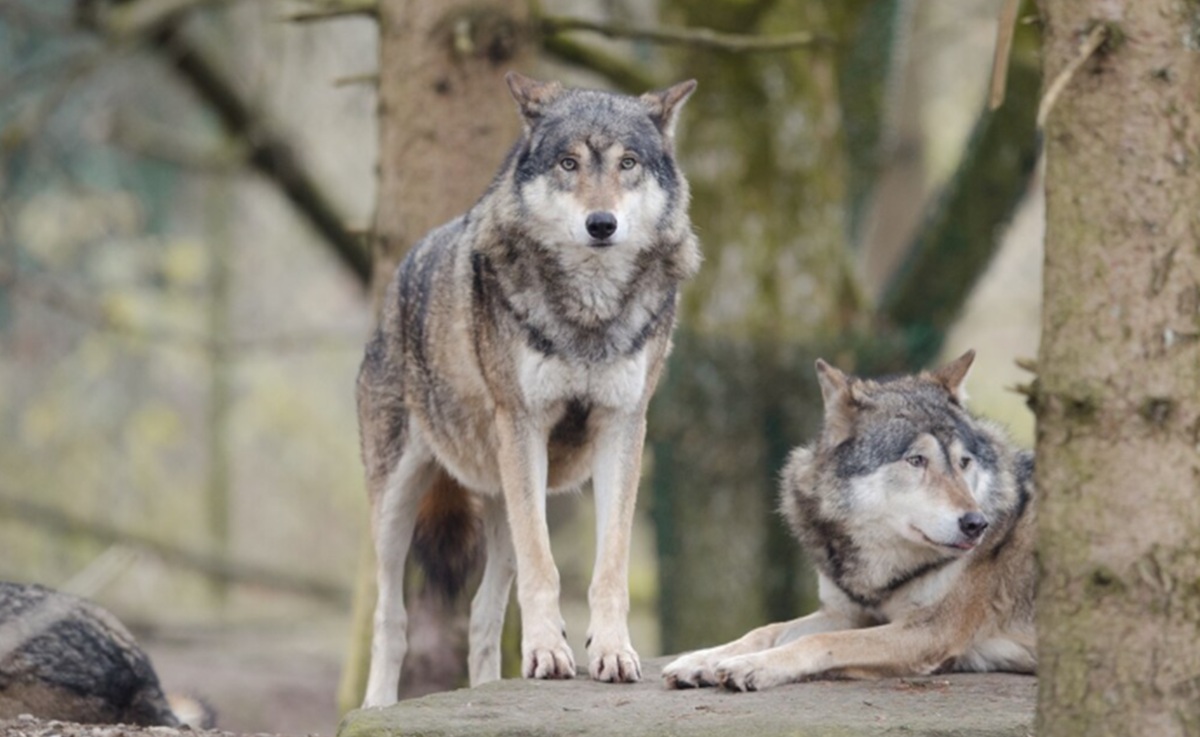
Most mammals chose to reduce their weekly movement area when humans were nearby. This was evident in bobcats, deer, and bears, especially in less developed areas. By contrast, grey wolves tended to expand their range when humans appeared, thought to reflect a vigilance response stemming from a long history of hunting by people.
Ruth Oliver, lead author of the study and now an assistant professor at UC Santa Barbara, explained that the technology of mobile data greatly aided the research. “It is very challenging to capture the impacts of human presence on wildlife,” Oliver said. “Mobile device data are often unavailable, but our study came together thanks to a unique partnership that provided estimates of human presence to researchers during the COVID-19 pandemic.”
The behavioural changes occurred directly, not as a result of fixed habits. When human activity shifted during the pandemic, the animals adjusted immediately.
These findings have important implications for conservation management. Protected areas can no longer be measured solely by their physical boundaries; the level of human activity inside them must also be considered.
Scott Yanco, an ecologist at the Smithsonian’s National Zoo and Conservation Biology Institute, emphasised the need for targeted strategies. “The advanced technology used in this study allows us to see, in unprecedented detail, how varied wildlife responses to human activity are,” Yanco said. “That means conservation strategies must be highly targeted and cannot be one-size-fits-all.”