
Not Just 24 Hours: The Secrets Making Madura Warungs Hard to Beat by Minimarkets
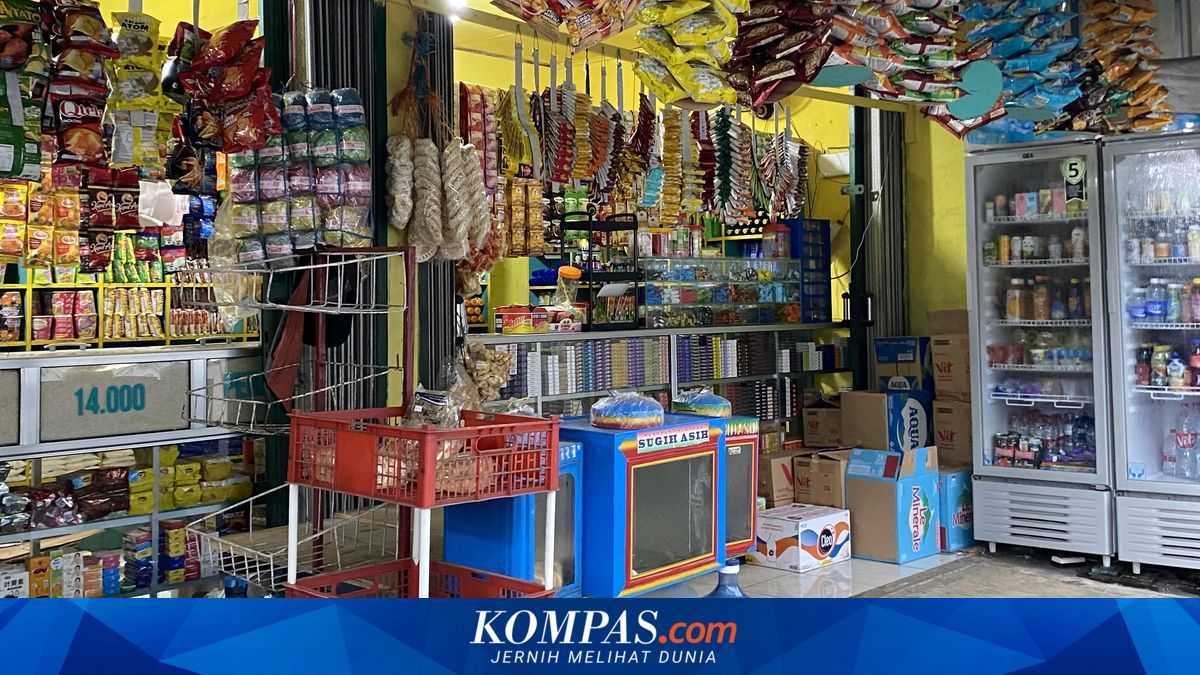
DEPOK, KOMPAS.com — The phenomenon of 24-hour Madura warungs has become a common sight in various major cities in Indonesia. Their presence is not merely to meet daily consumption needs but also plays a crucial role in the micro-economy, particularly for urban communities, informal workers, and Madurese migrants. Economic observer and Head of the Macroeconomic and Finance Centre at the Institute for Development of Economics and Finance (Indef), M. Rizal Taufikurahman, views this phenomenon as a form of adaptation by small business actors to changes in the retail market. Economically, Madura warungs fill market niches not fully reached by modern retail. They offer daily consumption needs with advantages in location proximity, time flexibility, and affordable prices. These characteristics keep Madura warungs relevant, especially for lower-middle-class communities and informal workers. Small transactions, urgent needs, and spontaneous purchases can be easily fulfilled. Thus, Madura warungs not only compete but also complement the retail market structure, which tends to be segmented. From a business strategy perspective, the resilience of Madura warungs relies on operational cost efficiency, 24-hour opening hours, and social closeness with customers. “They can suppress operational costs due to the small scale of business, limited workforce often based on family, and flexible supply chains,” said Rizal. However, this success also highlights the limitations of modern retail penetration, particularly in reaching low-purchasing-power consumers and micro-scale needs. Looking ahead, the main challenges for Madura warungs include competition among warungs, thin profit margins, and the need for innovation, such as better stock management, simple digitalisation, and product differentiation to remain sustainable in the long term. Sadad (27), a migrant from Sampang, Madura, began migrating to Jakarta at the age of 22. He started his job from the most basic position, from arranging goods, guarding the cashier, to serving customers. “After three years, I was invited by a relative to help here in Depok Baru,” said Sadad when met at his warung. Space limitations require efficient goods arrangement. The front shelves are filled with cigarettes, drinks, and snacks. Walls are used to hang sachets of coffee, milk, and spices, while the bottom part is used to store stock in cardboard boxes.