
Not from Earth's Core: Rare Earth Metals Formed in Ancient Subduction Zones
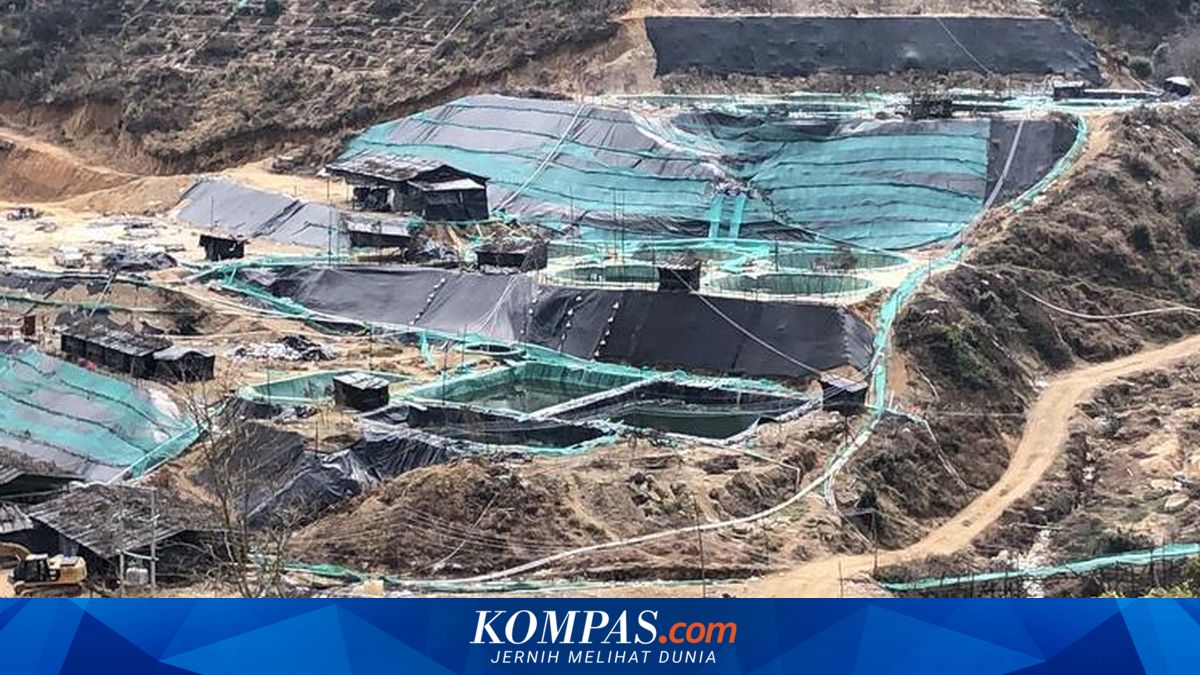
The search for Rare Earth Elements (REEs), vital raw materials for industries ranging from electric vehicle batteries to smartphones, has long posed a major challenge worldwide. However, a recent study unveils a geological breakthrough that could map these deposits more accurately. Researchers have discovered that these rare elements form through ancient processes above subduction zones, where tectonic plates plunge beneath one another. A team of scientists from the University of Adelaide, Australia, found that rare earth metals crystallise within the Earth’s mantle in clumps of alkali metal-rich and carbonatite magma. This type of magma, known as alkali and carbonatite magma, forms above ancient subduction zones. “This research shows that the ingredients for these critical mineral deposits have been present for millions, even billions, of years,” said the study’s lead author, Prof. Carl Spandler, a mineralogy expert from the University of Adelaide, in an official statement. According to Spandler, by identifying where these ancient processes occurred, we can significantly narrow down areas for future deposit discoveries. The researchers noted that plume temperatures may be too hot to produce the necessary alkali and carbonatite magma to bring rare earth metals to the surface. In this study, the team used advanced modelling to reconstruct Earth’s plate tectonics over the past 2 billion years. They compared the positions of ancient subduction zones with the locations of current rare earth deposits. The results were striking: 72% of known rare earth deposits are located directly above mantle material that once underwent subduction processes. This figure rises to 92% for deposits older than 540 million years. The process begins when one tectonic plate subducts beneath another. Fluids such as water and halogen elements (like fluorine and chlorine) are released into the overlying mantle. These substances then react with peridotite rocks, creating “fertilised” or enriched mantle regions. Interestingly, these mineral-rich areas can remain stable for millions of years before melting to form the rare earth deposits we know today. “This time lag is one of the most surprising aspects of our findings,” Spandler said. “It shows that the Earth’s mantle can store these enriched zones for an extremely long time before the right conditions arise to form mineral deposits.” “By focusing on these ancient tectonic zones, exploration companies and governments can adopt a more targeted and efficient approach to finding new deposits,” explained Merdith. The research indicates that the best places to search for rare earth metals are areas with a history of ancient subduction zones, where magma forms at low temperatures, as well as regions of highly stable upper crust and mantle. This breakthrough is expected to accelerate the world’s green energy transition, which heavily relies on the availability of these 17 rare metal elements.