
Not Electric Motorcycle Conversion, City Buses Deemed More Sensible
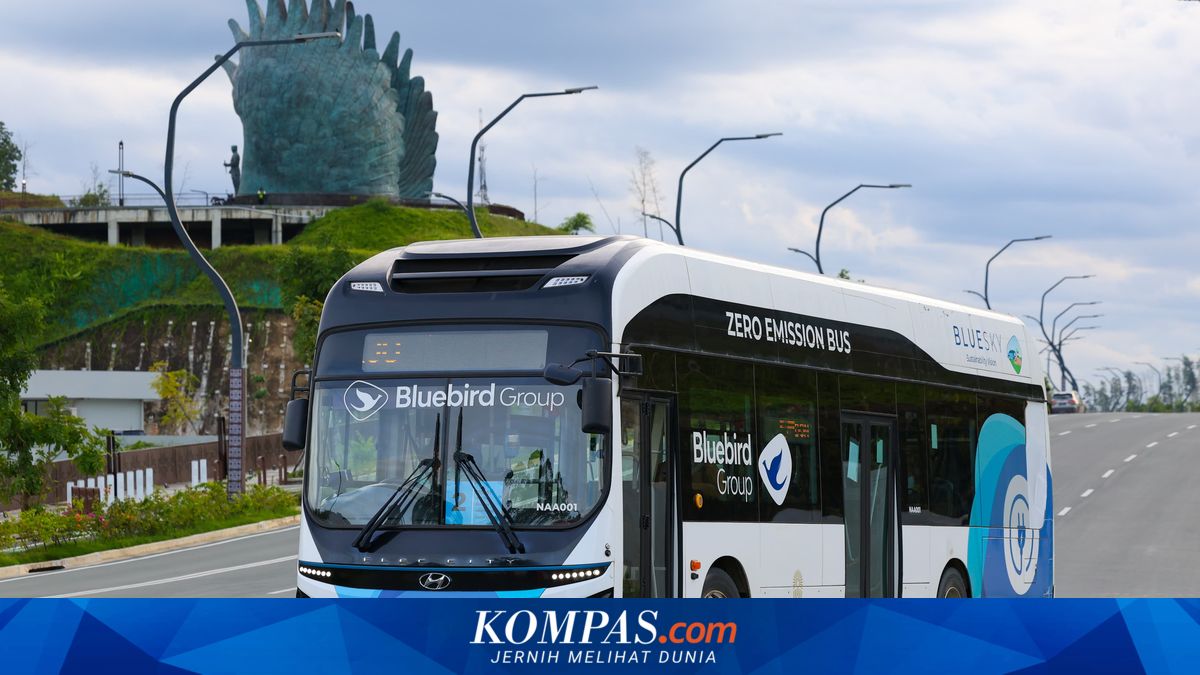
JAKARTA — The government’s ambition to accelerate the conversion of motor vehicles from petroleum fuels to electric power continues to draw scrutiny. Although touted as a solution to congestion and pollution, this step is seen as not addressing the root of the national energy crisis.
Transportation observer from the Institute for Transportation Studies (Instran), Ki Darmaningtyas, views the target of converting 100 million petrol motorcycles to electric as appearing more like a business project than a real effort in energy efficiency.
According to Darmaningtyas, if the government is truly serious about reducing national petroleum fuel consumption, the main focus should not be shifting the type of energy in private vehicles, but rather shifting the public to mass transportation.
He emphasised that strengthening public transport fleets in various regions is the main key that has been neglected for a long time.
He added that society’s dependence on private vehicles, whether petrol-based or electric, can only be broken if there is a viable alternative. Comfort and safety are non-negotiable for public transport services.
“If in every region there is good, comfortable, and safe public transport, people will naturally switch from private vehicles to public transport, especially if fuel prices are high,” said Darmaningtyas.
The world is currently overshadowed by energy price uncertainty due to global geopolitical conflicts. However, Darmaningtyas reminded that national transportation policies should not be merely reactive or “seasonal” during global crises like wars.
“So, I think the government must already think, must change its mindset, not create projects but address problems fundamentally. As long as the thinking is just about projects, the problems will keep recurring,” he stated firmly.
He sees a tendency for the spirit of energy saving to only emerge when world oil prices surge.
“This is just because there’s a war, later after the war subsides, the enthusiasm to discuss energy saving fades again. Whereas actually, discussions on energy saving must be continuous, because our petroleum reserves are indeed limited,” said Darmaningtyas.
He emphasised that the existence of integrated public transport is no longer just an option, but a strategic necessity for Indonesia’s long-term energy resilience.
The government is urged to look far ahead beyond the production figures for electric vehicles that are currently the darling of policy.
“So, whether there’s a war or not, we should already be thinking in a more strategic direction, namely energy saving through the development of public transport,” he concluded.