
Not Conversion Subsidies, Trade-In More Appealing to Promote Electric Motorcycles
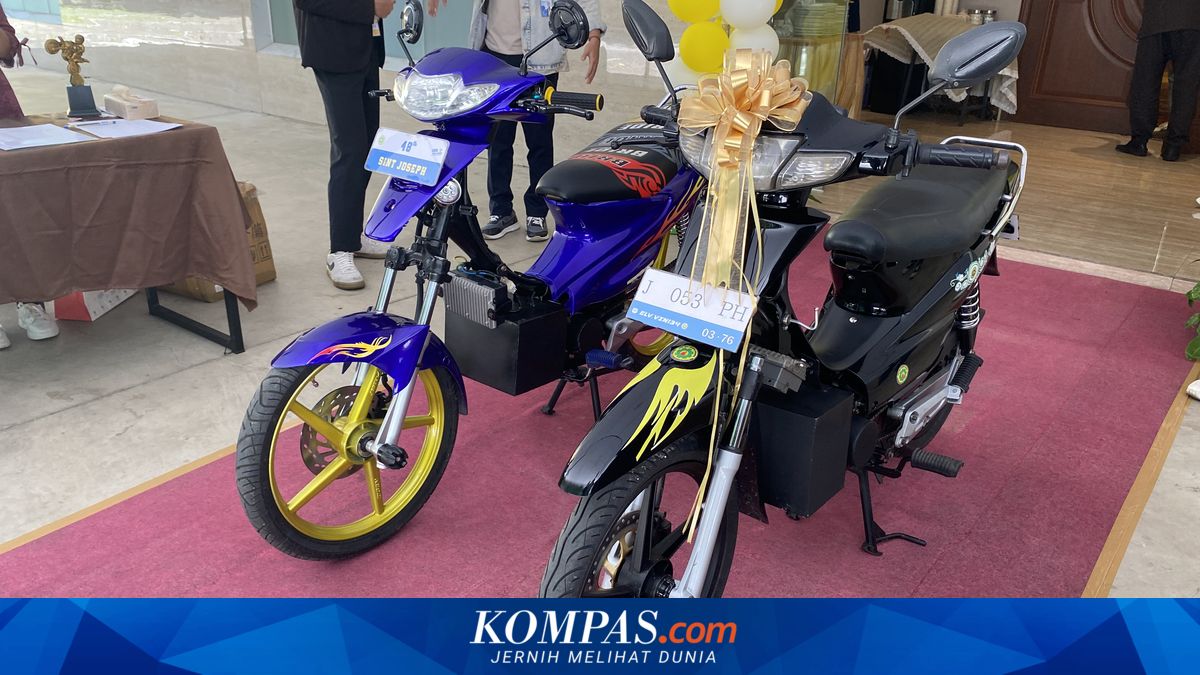
The government is continuously promoting the acceleration of the population of battery-based electric motor vehicles (KBLBB) in Indonesia. However, one programme that will be launched, such as subsidies for converting petrol motorcycles to electric, is considered no longer relevant to the current market conditions. Bambang Setiawan Yudistira, or Ibeng, an electric motorcycle enthusiast from EV Holic, revealed that amid the increasing number of new electric motorcycle brands with affordable prices, the subsidy scheme should start to shift. One strong reason why the public is reluctant to consider conversion is the plummeting asset value. Ibeng exemplified that a popular scooter like the Honda Vario 125, with a used price still around Rp 10 million, could see its value drop drastically after conversion. “After conversion, if we try to sell it to someone else, the value might only be Rp 2 million or Rp 3 million. Meanwhile, we have already spent a considerable amount of money on the conversion,” he said. Besides the price issue, there are obstacles from the performance regulation side. Based on the rules, the power of converted electric motorcycles is limited according to the original engine’s capacity. This often disappoints users because the motorcycle feels slower. Moreover, there is the issue of battery placement. Because the frame of a petrol motorcycle is not designed for large batteries, the range of converted motorcycles averages only 50 km per charge. “In the past, when electric motorcycles were still scarce, conversion made sense. But now there are many electric motorcycle brands, prices are increasingly competitive, and the designs are built from scratch for electric,” said Ibeng. Ibeng proposed that the government consider a scheme where the public hands over their old petrol motorcycles to vendors or the government, then receives a new electric motorcycle unit as a replacement with an adjusted value. The collected petrol motorcycles could then be converted en masse by the government to become inventory vehicles for agencies or services. “That makes more sense. People get new motorcycles with proper ergonomics, measurable performance, and they feel they gain in terms of assets. Their old motorcycles can become state assets that are more environmentally friendly,” he stated. This way, the national electric motorcycle industry can grow faster without forcing private consumers to bear the risks of performance degradation and resale value loss from converted motorcycles.