
North Sumatra Records Highest Number of Human Trafficking Cases in Indonesia, with 1,583 Victims
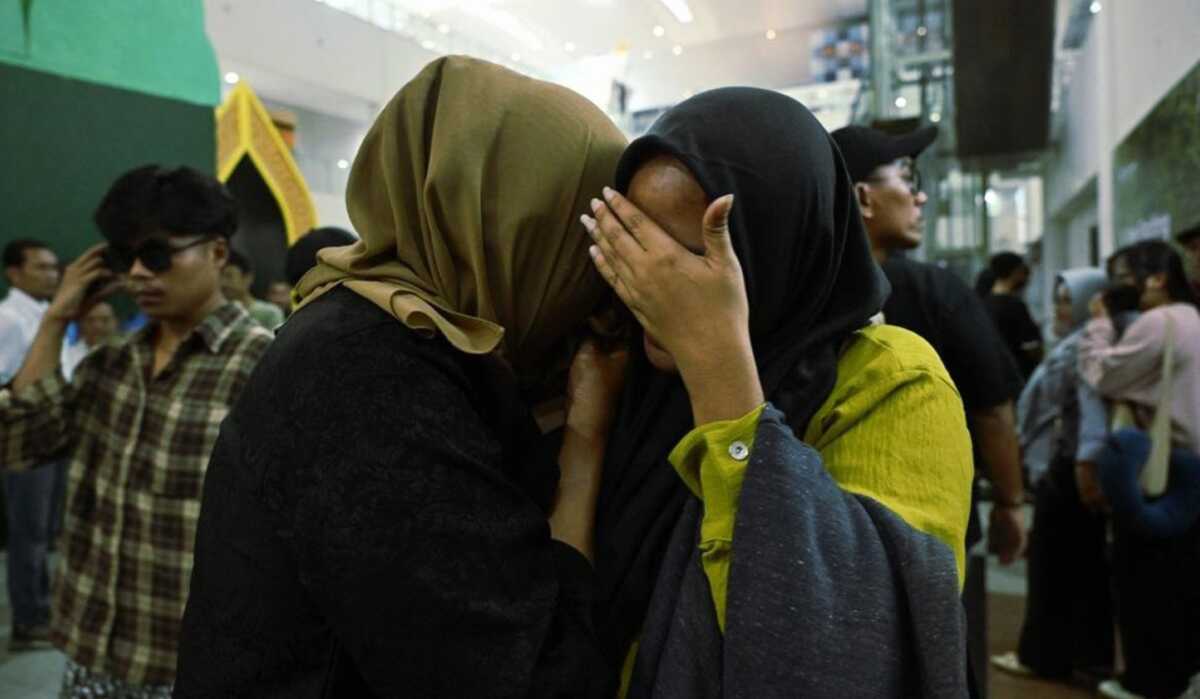
North Sumatra has recorded the highest number of human trafficking cases in Indonesia. According to the latest data from the Indonesian National Police, 691 cases occurred in the region, with a total of 1,583 victims.
The Acting Secretary of the North Sumatra Provincial Government, Sulaiman Harahap, emphasized that this phenomenon is not just a series of statistical figures, but a real threat that robs individuals and families of their future. “The trend of increasing cases has been significant in the last two years,” said Sulaiman, Thursday (February 26, 2026).
Data shows that human trafficking in North Sumatra continues to fluctuate alarmingly. Here are the details of the cases in the last two years:
Sulaiman explained that North Sumatra’s geographical position poses a major challenge in combating human trafficking. North Sumatra has a 545-kilometer eastern coastline that borders directly with the Strait of Malacca and the Indian Ocean.
This makes the coastal areas of North Sumatra very vulnerable to illegal population mobility. The many “rat routes” or unofficial ports along the coastal area make it difficult for law enforcement officers to carry out maximum surveillance of the shipment of illegal migrant workers abroad.
As of January 2026, as many as 289 victims from abroad have been repatriated, including residents from North Sumatra. The government notes that the perpetrators’ methods are now becoming more sophisticated by utilizing information technology.
Perpetrators no longer only use conventional coercion, but have switched to structured fraud through social media. Some of the increasingly diverse methods include:
Sadly, the majority of victims in these cases are dominated by women and children.
In response to North Sumatra’s status as the region with the highest number of cases, the North Sumatra Provincial Government is encouraging a comprehensive approach starting from the smallest unit, namely villages and sub-districts. Cooperation with the Population and Civil Registration Office (Dukcapil) is also being strengthened to monitor the processing of suspicious population documents.
“Handling human trafficking cannot be done partially. We need prevention through education, strict law enforcement, and support for regulations and budgets from the local government to protect our people,” concluded Sulaiman Harahap.