
Non-Tax State Revenue from Natural Resources Reaches Rp 53.6 Trillion, Driven by Rising Gold and Copper Prices
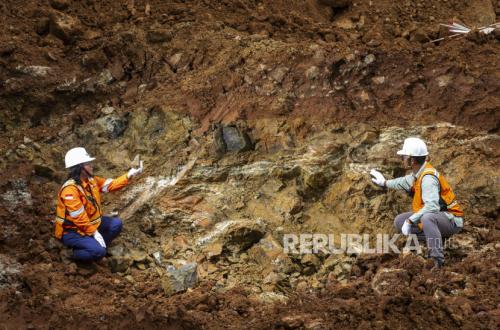
The Ministry of Finance recorded non-tax state revenue (PNBP) from the natural resources (SDA) sector reaching Rp 53.6 trillion in the first quarter of 2026. This achievement confirms that the mining sector, particularly minerals and coal (minerba), remains one of the key drivers of state revenue at the start of the year.
Of the total, the largest contribution came from non-oil and gas SDA, amounting to Rp 35.1 trillion, or about 24.4 percent of the state budget target. This performance indicates strengthening, especially alongside the rise in prices of several mineral commodities in the global market.
Finance Minister Purbaya Yudhi Sadewa stated that the growth in non-oil and gas SDA PNBP was mainly supported by the mineral and coal mining sector. “Non-oil and gas SDA PNBP grew by around 7.1 percent year-on-year, primarily contributed by the minerba sector due to rising commodity prices,” said Purbaya during a working meeting with Commission XI of the House of Representatives at the parliamentary complex in Senayan, Jakarta, on Monday (6/4/2026).
From January to March 2026, prices of several mineral commodities were recorded to have risen sharply compared to the same period last year. Gold prices surged by about 73 percent, copper rose 40 percent, and nickel increased by around 9 percent.
These price increases directly impacted state deposits from the mining sector, both through royalties, production levies, and other revenue components related to mining business activities. Amid ongoing global economic dynamics, commodity prices serve as an important buffer for state revenue.
Purbaya assessed that this trend also reflects strengthening activity in the real sector, particularly in mining. “This shows that the mining sector is making a real contribution to state revenue and serving as an important fiscal support,” he said.
According to Purbaya, the strengthening PNBP performance is not only driven by price factors but also by increased service volumes and stronger oversight. This combination of factors helps maintain solid state revenue performance at the start of 2026.
The government also views the mining sector’s prospects as still quite strong in the coming period. Global uncertainties are seen as potentially sustaining the upward trend in mineral commodity prices, which could ultimately support state revenue.
Chairman of Commission XI of the House of Representatives, Mukhamad Misbakhun, emphasised the importance of optimising state revenue from the SDA sector, especially mining, to maximise its contribution to the state budget. “The Ministry of Finance needs to strengthen and sharpen PNBP policies, particularly from natural resources, to optimise state income,” said Misbakhun.
He assessed that the momentum of rising mineral commodity prices needs to be capitalised on with appropriate policies and strong governance. Transparency and accountability remain key to ensuring that the surge in revenue from the mining sector does not stop at short-term boosts.
Strengthening governance will greatly determine the sustainability of the mining sector’s contribution to national fiscal affairs. With the right policy foundation, this sector has the potential to remain one of the key supports for the state budget throughout 2026.