
Non-Subsidised Fuel Prices Rise, Deputy Speaker of MPR: Prabowo Still Protects Vulnerable Groups
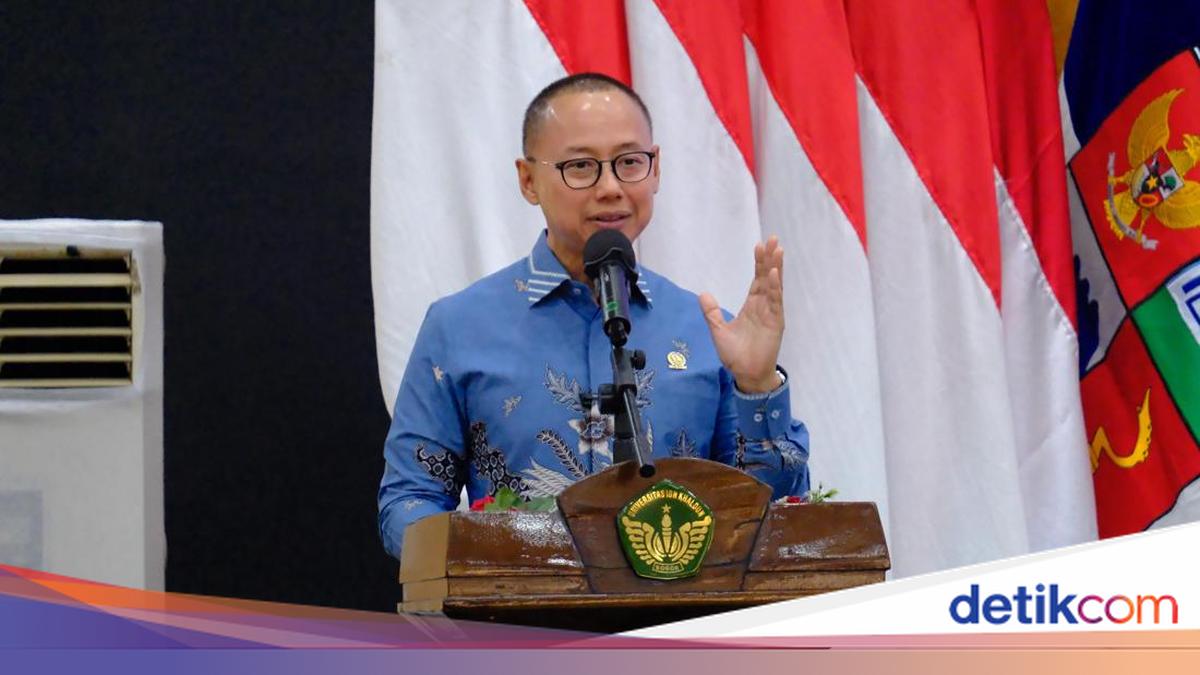
Eddy stated that this price adjustment is a consequence of the unavoidable dynamics of the global energy market. He explained that this situation is not only occurring at Pertamina but also at private fuel stations. This indicates that the rise in non-subsidised fuel prices is a general market phenomenon, not a unilateral policy from the government. “The increase is happening for the type of fuel intended for those who are more able. This is a consequence of the global rise in energy prices that impacts non-subsidy fuel prices. Do not forget that non-subsidy fuel price increases always occur periodically when there are fluctuations in crude oil prices, even before the outbreak of war in the Middle East,” said Eddy in his statement on Thursday (7/5/2026). “We must maintain balance. On one side, we want prices to remain affordable. But on the other side, we must also ensure that the state budget remains healthy and the national energy sector remains sustainable,” he continued. Eddy emphasised that the President of the Republic of Indonesia, Prabowo Subianto, continues to strive to protect the public, especially vulnerable groups, through subsidised fuel policies where prices are kept stable. “This policy is a form of the President’s concern so that people’s purchasing power remains maintained amid global turmoil. This commitment has been affirmed by him on various occasions to keep subsidised fuel prices affordable for vulnerable community groups,” said the Doctor of Political Science from the University of Indonesia. Furthermore, Eddy encouraged using this momentum of energy price increases as an important opportunity to accelerate the transition to new and renewable energy. “Dependence on fossil energy makes us vulnerable to global fluctuations. Therefore, accelerating the development of new and renewable energy becomes the key to strengthening national energy resilience in the future,” explained Eddy. “President Prabowo has responded with a commitment to accelerate renewable energy development with various policy plans. Accelerating electrification in the transportation sector and developing biofuel as a fuel mixture is the right direction to significantly reduce our dependence on energy imports,” he concluded.