
Non-Subsidised Fuel Prices Forecast to Rise from 1 April 2026, Here is the Estimate
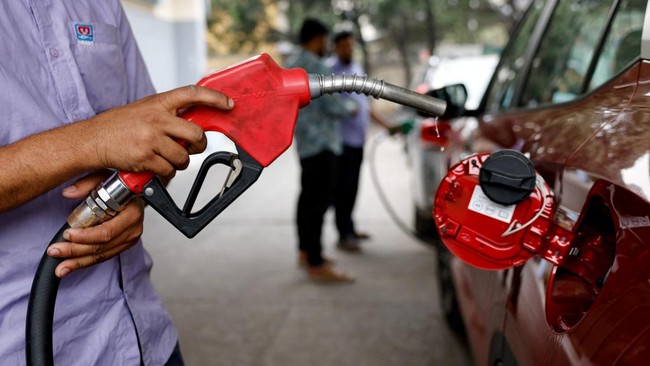
Jakarta, CNBC Indonesia - Non-subsidised fuel oil (BBM) prices are expected to rise starting 1 April 2026. This follows a surge in global oil prices and an increase in the energy compensation burden that the government must bear.
Global oil prices have soared again at the start of this week amid escalating conflicts in the Middle East that are spreading wider. On Monday (30/3/2026) at 09.40 WIB, Brent crude oil was recorded at US$116.6 per barrel, while West Texas Intermediate (WTI) broke through US$102.88 per barrel.
This strengthening extends the sharp upward trend over the past few days. Compared to Friday (27/3/2026), Brent prices have risen from US$112.57 per barrel, while WTI has strengthened from US$99.64. Even when traced back to the start of last week, the surge is even more significant—from US$99.94 on 23 March to above US$116 currently.
Bhima Yudhistira, Executive Director of the Center of Economic and Law Studies (CELIOS), estimates that non-subsidised BBM prices such as Pertamax and Pertamina Dex could rise by around Rp1,500 to Rp2,000 per litre.
According to Bhima, this increase is inseparable from the swelling compensation that the government must pay to PT Pertamina (Persero).
“Non-subsidised BBM is estimated to rise Rp1,500-2,000 per litre for Pertamax and Pertamina Dex. The rise in non-subsidised BBM is due to a significant surge in government compensation to Pertamina,” Bhima told CNBC Indonesia on Monday (30/3/2026).
Bhima assesses that without major budget reallocations in the state budget (APBN), the gap between economic prices and selling prices of BBM will become increasingly difficult to bear. Meanwhile, if not adjusted, the risk falls on Pertamina to shoulder the burden.
“Or the risk is indeed Pertamina bearing it, with bleeding cash flow,” he said.
On the other hand, he added, this increase is not the first and could continue, in line with global oil prices remaining high in the range of US$90 to US$115 per barrel.
Looking ahead, Bhima warns of the risk of adjustments to subsidised BBM prices if fiscal pressures continue to rise. The impact will also spread to various sectors, including triggering inflation rises, particularly in food commodities.
“The transmission from BBM goes everywhere, including to food inflation. Inflation could breach 6-7% in April. Meanwhile, Indonesia does not yet have energy crisis mitigation compared to other countries. This is called Quiet before the Storm, too relaxed and taking it lightly,” he said.