
Non-Subsidised Diesel Price Hike: Consumers Wary of Switching to EVs?
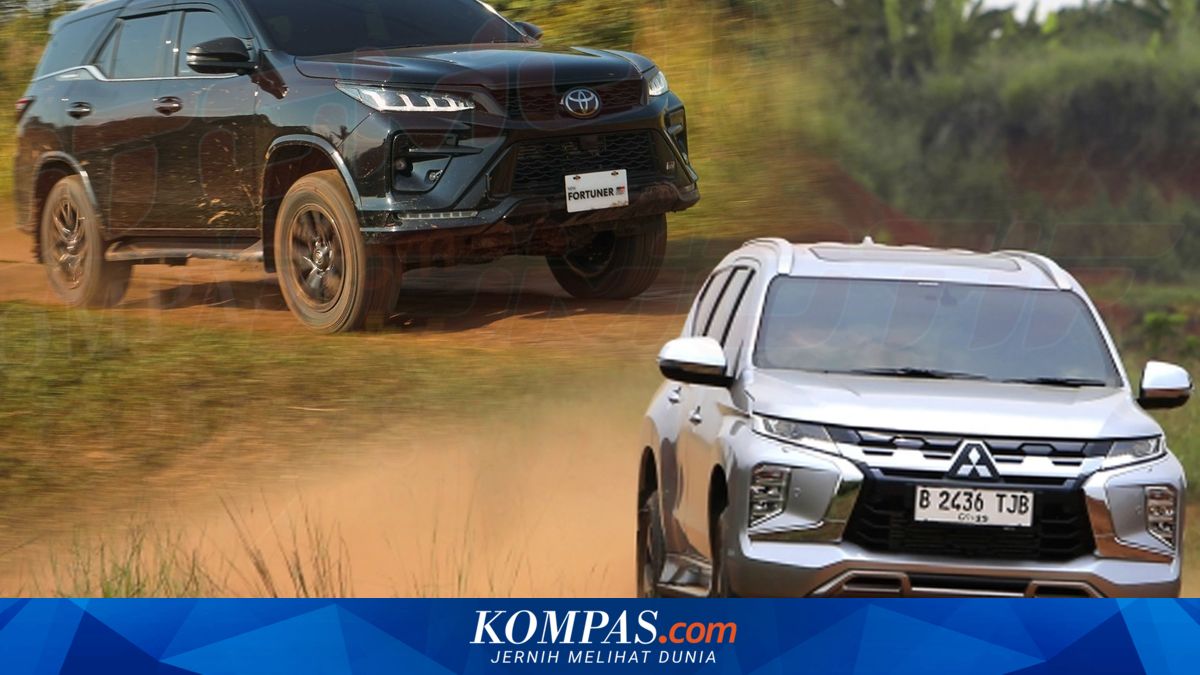
JAKARTA – The increase in the price of non-subsidised diesel fuel, such as Pertamina Dex and Dexlite, is beginning to elicit diverse responses from diesel vehicle consumers. Some are recalculating their operational costs, and not a few are considering switching to electric vehicles (EVs). Zara, a user of a 2016 Toyota Fortuner VRZ diesel in Jakarta, admitted to having briefly considered switching to an electric vehicle. “I briefly thought about buying a BYD Atto 1 or Geely electric car, but then reconsidered whether I really need it. I also don’t know yet how the diesel fuel prices for cars will develop, so I’ll wait and see for now. For the time being, I’m just accepting it, because buying another car isn’t cheap,” Zara told Kompas.com on Sunday (19/4/2026). A similar sentiment was expressed by Indra, the owner of a 2021 Mitsubishi Pajero Dakar in Pekanbaru, Riau. He directly felt the significant spike in non-subsidised diesel prices over a short period. “I’m not thinking about EVs yet; I’ll monitor the situation first. The last time I filled up with Pertamina Dex, it was still at the normal price of Rp 14,950, and now it’s Rp 24,950. That’s quite a shock to the wallet. So, I’m choosing to keep the Pajero in the garage for an undetermined time,” Indra said. In contrast, Andre, a user of a 2021 Toyota Fortuner VRZ diesel in Jakarta, said he had already anticipated the potential fuel price increase by owning an electric vehicle as his primary mode of transport. “It’s starting to feel heavy, fortunately, I’ve prepared an EV. Usually, I use the car according to the odd-even plate number system, but now it’ll be used rarely. I’m going full EV for daily use. I bought this BYD M6 specifically to anticipate things like this, as well as a mobile generator in emergencies, because everything is now technological and needs electricity, so in emergency situations,” Andre said. This phenomenon shows that the fuel price increase has not yet fully driven consumers to immediately switch to electric cars. Some are still taking a wait-and-see approach, considering needs, vehicle prices, and the uneven supporting infrastructure for EVs. On the other hand, consumers who already own EVs feel more prepared to face energy price fluctuations, positioning electric vehicles as a long-term solution for operational cost efficiency.