
Nobel Laureate Dr. Richard Axel Resigns from Columbia University Amidst Jeffrey Epstein Scandal
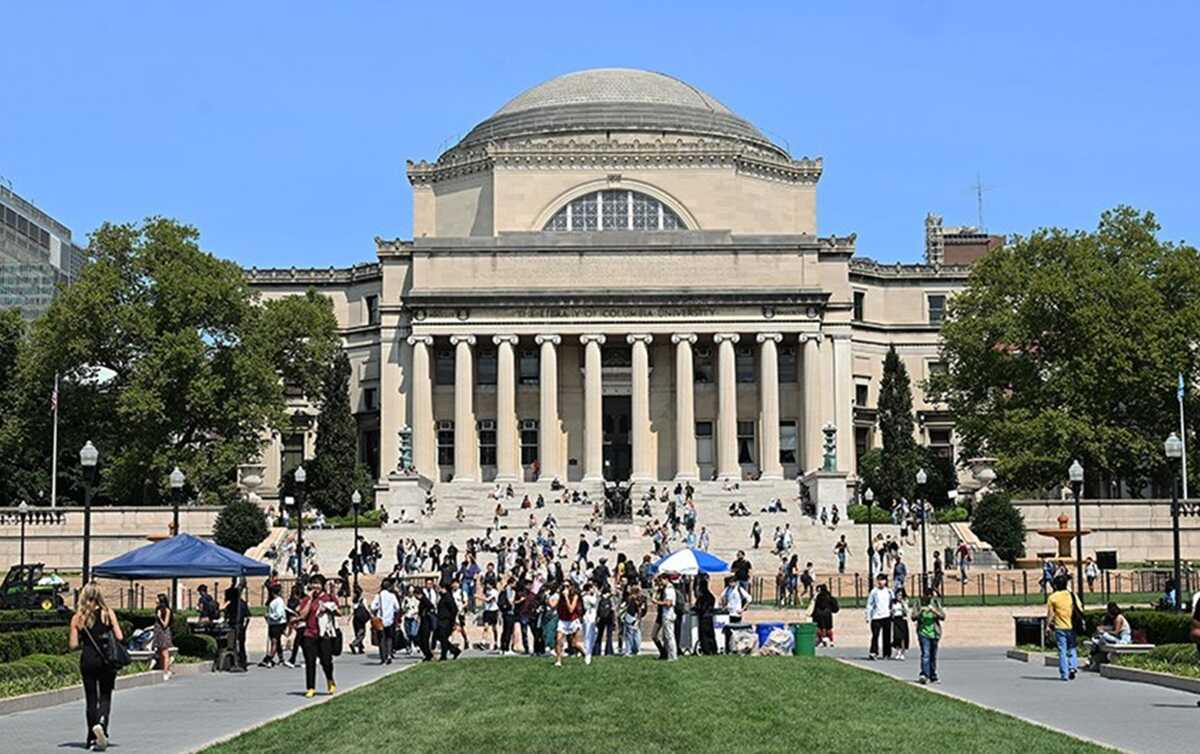
The academic world is once again rocked by the release of documents related to the late convicted sex offender, Jeffrey Epstein. Most recently, Dr. Richard Axel, a molecular biologist and Nobel Prize winner, announced his resignation from his prestigious position as head of the neuroscience institute at Columbia University.
Axel, who has served at Columbia for 53 years, is stepping down as co-director of the Zuckerman Mind Brain Behavior Institute. In a statement released on Tuesday, he said he wants to return to focusing on research and teaching in his private laboratory.
Axel expressed deep regret for his past relationship with Epstein, which was revealed in the more than 3 million pages of documents recently released to the public.
“My past relationship with Jeffrey Epstein was a serious lapse in judgment, which I deeply regret. I apologize for compromising the trust of my friends, students, and colleagues,” Axel wrote.
“The revelations about Epstein’s horrific behavior and the harm he caused to so many people make my relationship with him all the more painful and inexcusable.”
According to a report by Columbia Spectator, Axel’s name appears more than 900 times in the documents. Correspondence between the two spanned at least nine years, from 2010 to 2019. Most notably, the relationship continued after Epstein was convicted of child prostitution in 2008.
The documents also revealed a one-way travel ticket to St. Thomas, U.S. Virgin Islands, in December 2011 for Axel and his wife. The territory is typically a transit point to Epstein’s private island, Little St. James. However, the ticket was later canceled, and the university confirmed that neither Axel nor his wife ever visited the island.
While agreeing with the decision to resign, Columbia University stated that they found no evidence of policy or legal violations by Dr. Axel.
The university stated that they continue to recognize Axel’s extraordinary contributions to the institution, students, and the world of science. Axel won the Nobel Prize in Medicine in 2004 for his research on the genes that allow humans to detect more than 10,000 different odors.
In addition to resigning from Columbia, Axel also announced his resignation as a researcher at the Howard Hughes Medical Institute, a leading biomedical research organization in the United States. Axel’s case adds to the growing list of academics at elite universities such as Harvard and UCLA whose careers have been affected by their past ties to Jeffrey Epstein’s influence and wealth. (The Guardian/Z-2)