
No Need to Panic: The Differences Between Hantavirus and Covid-19
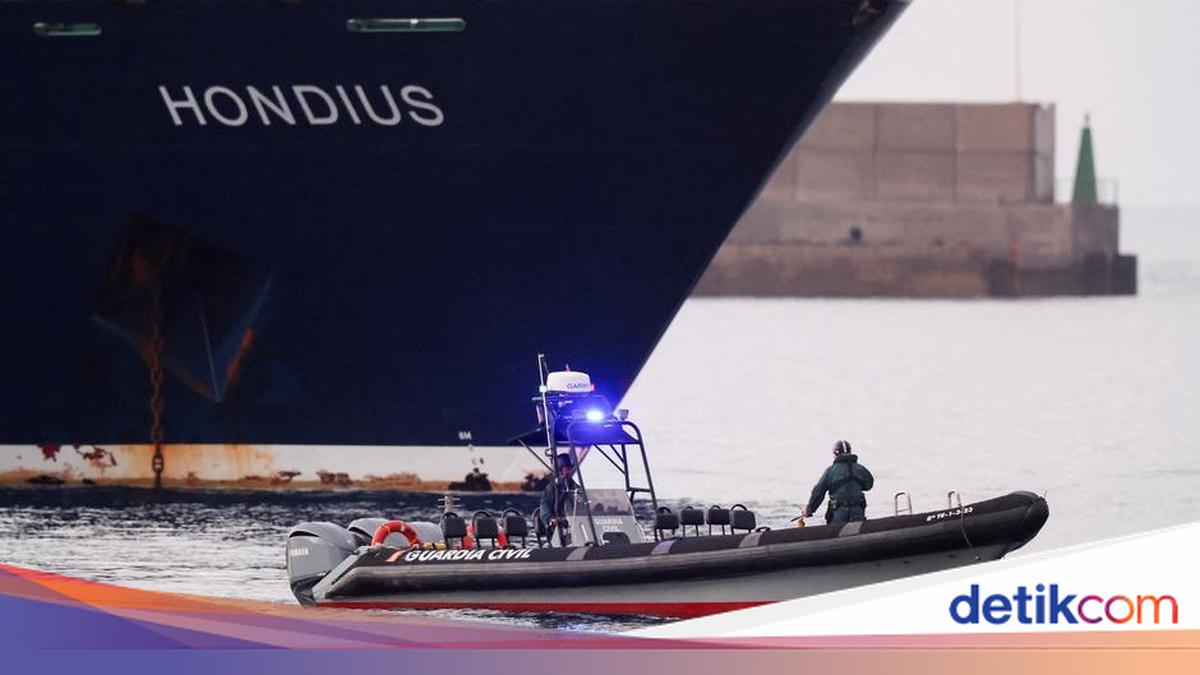
The MV Hondius cruise ship became the site where hantavirus spread. As of this writing, the virus has killed at least three people and infected several others from April to May 2026.
The ship had docked at Granadilla Port, Tenerife, Spain. From there, a total of 147 passengers and crew were repatriated to their home countries, including Germany, France, and Australia.
Residents’ concerns were echoed by the Director-General of the World Health Organization (WHO), Tedros Adhanom Ghebreyesus, in a letter to the people of Tenerife, Spain, on 9 May 2026.
“I know you are worried,” he wrote.
“I know that when you hear the word ‘outbreak’ and see a ship sailing towards your shore, memories that we have not fully forgotten will resurface,” he continued.
Lessons from controlling the hantavirus outbreak in Argentina 2018-2019
However, there are significant differences between Covid-19 and hantavirus.
“Hantavirus, including the Andes virus, is fundamentally different from coronavirus,” said Roman Wölfel, head of the Bundeswehr Microbiology Institute, to DW. “This virus can spread from person to person, but it is much more difficult and only through very close contact.”
When the SARS-CoV-2 coronavirus emerged in 2019 and caused Covid-19, neither public health scientists nor healthcare workers had seen it before. No one knew about the virus, how quickly it spread, or how to stop or treat it.
Hantavirus, on the other hand, has been known since 1993.
Then, because this virus is known to cause lung infection called Hantavirus Pulmonary Syndrome (HPS) or Hantavirus Pulmonary Syndrome, appropriate distancing measures were immediately implemented on the ship once laboratory tests confirmed that the virus caused the first two deaths.
An analysis of the hantavirus outbreak in Argentina in November 2018 showed how effective basic control measures, such as social distancing, were in slowing person-to-person infection spread.
During the Covid-19 pandemic, the public had no knowledge of the virus. Even today, the global community still does not know exactly where the virus originated.
In a paper published in 2020, researchers explained how the transmission speed of the Andes virus, the same variant as on the MV Hondius cruise ship, was halved when “public health officials imposed isolation on people with confirmed cases and self-quarantine for potentially exposed contacts” during the 2018-2019 outbreak in Argentina.
Control measures were implemented after authorities confirmed 18 people infected with the Andes virus at a mass gathering.
“These measures likely limited further spread,” the researchers wrote in the New England Journal of Medicine. “The median reproductive number (the number of secondary cases caused by an infected person during the infectious period) was 2.12 before control measures were implemented and dropped to 0.96 after they were applied.”
The situation on MV Hondius differs from the incident in Argentina
In the case of MV Hondius, control measures took longer to implement, although the number of known cases was fewer than in the Argentina outbreak, namely seven confirmed cases and two suspected cases as of 11 May 2026.
After the first person died on 11 April, Oceanwide Expeditions, the company operating the ship, stated that hantavirus was confirmed as the cause of death only on 4 May. That was two days after WHO was notified of a “cluster” of infected people on the ship.
Nevertheless, when MV Hondius docked in Tenerife, there was no doubt about the cause of the infection, and Spanish health authorities assured that they were taking “all measures” to prevent the spread of hantavirus.
Passengers, crew, and health authorities wore face masks and personal protective equipment, while personal belongings were transported in tightly sealed bags.
“Reducing potential contact and using FFP2 masks for passengers and those who might come into contact with them during disembarkation procedures and transportation to home countries is supported by what we know about this virus,” said Giulia Gallo, a researcher at The Pirbright Institute, UK.
It is believed not to be like Covid-19
Although concerns are understandable, Wölfel said a scenario similar to Covid-19 is unlikely to occur.
“It is not expected that the Andes virus will become a real global problem. It is not comparable to influenza or SARS coronavirus,” he said.
In general, hantavirus infections are relatively rare globally. In 2025, WHO documented 229 cases and 59 deaths in the Americas region. There is no vaccine yet for this infectious disease.
Cited from detik.com, Indonesia also recorded at least 23 cases of Seoul hantavirus in the last three years. Of the 23 exposed patients, three were reported to have died. The case fatality rate (CFR) is relatively high at 13%. In 2026, there were an additional five cases. The rest of the patients have been declared recovered.