
No Longer Sent Home: Troubled Teenagers in Surabaya Undergo 14-Day Rehabilitation, Results Dramatic
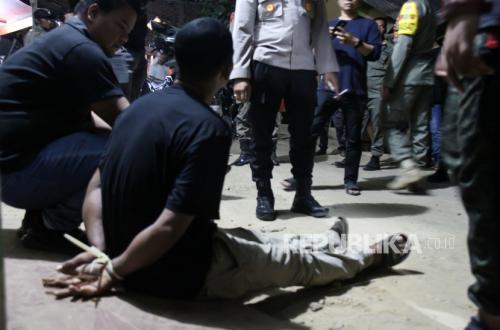
The Surabaya City Government has changed its approach to handling juvenile delinquency by applying a more intensive and sustainable rehabilitation model. This new policy no longer involves just short counselling sessions but places problematic children in a rehabilitation programme lasting up to two weeks. The policy change is already showing tangible results. The trend of juvenile delinquency in Surabaya has reportedly experienced a significant decline since the programme was implemented. Head of the Surabaya City Women’s Empowerment, Child Protection, and Population Control and Family Planning Agency, Ida Widayati, said the new approach is designed to provide a deterrent effect as well as comprehensive rehabilitation for teenagers. “The trend of juvenile delinquency in Surabaya has improved quite dramatically,” said Ida in her statement in Surabaya on Monday. According to her, previously, children caught in raids only underwent short counselling at the Satpol PP headquarters before being sent home to their parents. That pattern was deemed not effective enough to bring about long-term behavioural change. Now, teenagers involved in violations such as consuming alcoholic beverages, brawls, and involvement in motorcycle gangs are no longer immediately sent home. They are first placed in the Safe House to undergo rehabilitation. The rehabilitation programme lasts 7 to 14 days, depending on the level of violation and the individual child’s mentoring needs. While at the Safe House, the teenagers not only receive psychological counselling but also participate in various educational activities designed to build character. The rehabilitation materials cover understanding the impacts of criminality, the dangers of drug abuse, and strengthening national insight. This approach emphasises mindset change, not just punishment. The city government wants to ensure that the children understand the consequences of their actions.