
No Longer Cool: Europe Hit by Scorching Heatwave as Research Indicates Threefold Temperature Rise
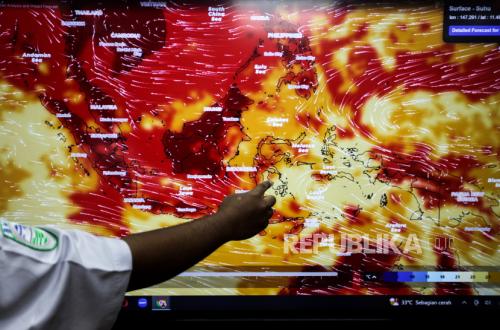
Europe is once again experiencing an extreme heatwave, breaking temperature records by late May 2026. Countries including the UK, France, Spain, and Germany have recorded temperatures significantly above seasonal averages due to a phenomenon known as a ‘heat dome’.
Severe Weather Europe, a weather monitoring agency, warned that temperatures in several regions have surged by 12 to 16 degrees Celsius above long-term climate norms. The situation is expected to persist for several more days.
Southern and south-western European regions such as Portugal, Spain, and France are forecast to reach maximum temperatures of up to 38 degrees Celsius, while northern countries like the UK and Germany have seen temperatures exceeding 30 degrees Celsius — an unusual figure for mid-May.
French meteorological agency Météo-France identified the ‘heat dome’ as the primary cause of the extreme temperatures. This phenomenon occurs when high-pressure systems in the upper atmosphere trap hot air below, causing temperatures to rise steadily and hindering movement.
‘This pattern restricts vertical mixing and cloud cover, causing maximum and minimum temperatures to challenge historical monthly records at hundreds of weather stations across Western Europe,’ Severe Weather Europe stated in its report on Tuesday, 26 May 2026.
The heat dome phenomenon differs from a typical heatwave. It occurs when high-pressure areas in the upper atmosphere act like a ‘giant lid’, trapping heat at the Earth’s surface. Hot air that should rise and be replaced by cooler air is instead pushed back down, causing temperatures to rise day after day.
As a result, heat does not dissipate easily or get swept away by winds. Skies remain clear with minimal cloud cover, allowing relentless sunlight throughout the day. Night-time temperatures also stay high as trapped heat cannot be effectively released into the atmosphere.
This causes temperatures in affected areas to remain significantly above normal for extended periods. Soils dry out rapidly, water reserves dwindle, crops become more vulnerable, and the risk of wildfires surges due to parched vegetation.
Unlike typical heatwaves, which usually last briefly, heat domes can persist for days or even weeks. The impacts extend beyond the environment to human health, particularly affecting the elderly, children, and those with pre-existing conditions who are vulnerable to dehydration, heat exhaustion, and heatstroke.