
No Education Budget Cuts in 2026 State Budget for Free Nutritious Meals Programme
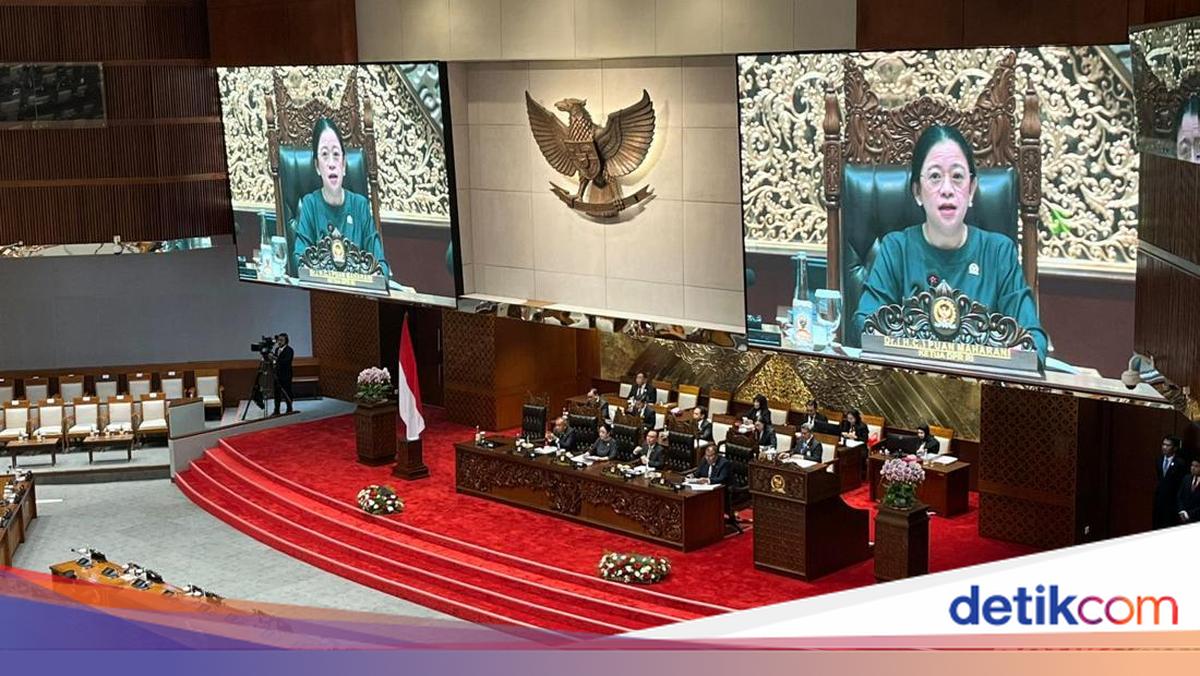
In response to various issues circulating in public discourse concerning the allocation of 20% education budget in the 2026 state budget, parliament and the government have provided clear explanations and official clarification.
This statement aims to ensure that the public gains a comprehensive understanding of education budget allocation policy, including the position of the Free Nutritious Meals (MBG) programme within the 2026 state budget structure. Fundamentally, there is no reduction whatsoever in education budget allocation in the 2026 state budget for the MBG programme, as the MBG programme is itself part of the broader education programme.
Allocation Already Constitutional
Education budget allocation demonstrates an upward trend, rising from Rp665 trillion in 2024 (out of a total 2024 state budget of Rp3,359.8 trillion) to Rp724.3 trillion in 2025 (out of Rp3,621.3 trillion), and increasing further to Rp769.1 trillion in 2026 (out of Rp3,842.7 trillion). This comprises central government spending, transfers to regions, financing, and contingency reserves.
In terms of percentage of total government spending, education budget allocation has also increased from 16.94% in 2024 and is estimated at 19.05% in 2025, demonstrating increasing compliance with the constitutional mandate regarding education sector funding.
The government affirms that education budget allocation in the 2026 state budget meets the minimum legal requirement of 20% of the state budget. The total education budget of Rp769.1 trillion in the 2026 state budget (Rp3,842.7 trillion) represents one of the largest allocations within the state budget structure and reflects the government’s strong commitment to placing human resource development as a primary priority of national development. This education budget is channelled through three main components:
Central Government Spending: Rp470.5 trillion
Transfers to Regions (TKD): Rp264.6 trillion
Financing: Rp34 trillion
Government and parliament have agreed that education budget allocation will maintain the minimum proportion of 20% of the state budget. This agreement was formally reached during the 2026 state budget discussion process and complies with the legal framework governing state budgeting. Notably, MBG functions as part of education policy intervention and is legitimately calculated within the education function structure.
Regulations concerning such intervention policies to support national education functions are reinforced in Article 49, Paragraph (1) of Law No. 20 of 2003 on the National Education System, which supports comprehensive national education delivery.
The Free Nutritious Meals (MBG) programme is an education intervention component that influences learning quality and student development. Integrating the MBG programme budget within the 20% education budget allocation represents a complementary and strategic policy implementation to ensure students have adequate nutritional and health conditions that support optimal learning processes.
This policy step aligns with constitutional mandates, national education objectives, and the government’s commitment to building a healthy, intelligent, and competitive generation of young Indonesians.
MBG Integrated within Education Sector
In the 2026 fiscal year, parliament and the government have reached an agreement that MBG allocation is included and integrated within the Education sector. The MBG programme allocation within the education function totals Rp223 trillion, specifically allocated for schoolchildren, special education students, and Islamic boarding school students. The total MBG budget of Rp335 trillion spans multiple functions:
Education Function: Rp223 trillion
Health Function: Rp24.7 trillion (pregnant/nursing mothers and infants)
Economic Function: Rp19.7 trillion (kitchen operations and school feeding facilities infrastructure)
Contingency Reserve: Rp67 trillion
Proportionally: Rp223 trillion from Rp769.1 trillion ≈ 29%
This demonstrates that MBG is not a reduction in education budget allocation but rather part of the education budget allocation itself within the education function, as stated in the 2026 state budget structure. From a policy perspective, MBG is appropriately positioned within the education function because its primary target beneficiaries are students, its implementation is integrated with educational institutions, and its primary outcome is improved student concentration, attendance, and learning quality. Health impacts represent secondary benefits that reinforce education’s core objectives.
Core Education Programmes Remain Protected
Allocation of funds for MBG does not appropriate or shift budget items from other education programmes such as school operational assistance (BOS), teacher professional allowances (TPG), teacher salaries, early childhood education operational funds (BOP PAUD), higher education financial assistance (KIP Kuliah), student financial assistance (PIP), or the Education Endowment Fund—meaning all core education components remain adequately funded.
Beyond central government spending, other education budget allocations outside MBG are channelled through regional transfers and financing budget lines.
Part of Broader National Education Strategy
It must be emphasised that allocating MBG as part of education intervention is not a decision without foundation nor a policy without conceptual basis. Through MBG, the state ensures that socioeconomic background does not hinder Indonesian children from obtaining equal learning opportunities. Several policy approaches underpin this allocation:
Human Capital Approach: Human resource development begins with the nutritional and health foundation of school-age children.
Learning Outcome Perspective: Nutritional intake quality directly influences concentration, learning capacity, and academic results.
Equity and Access: For low-income families, nutritious food often represents a financial burden. MBG serves as an instrument for equalising access to learning readiness.
Long-term Prevention: The programme contributes to breaking cycles of poverty and improving long-term developmental outcomes.