
Nintendo sues US government over import tariff policy
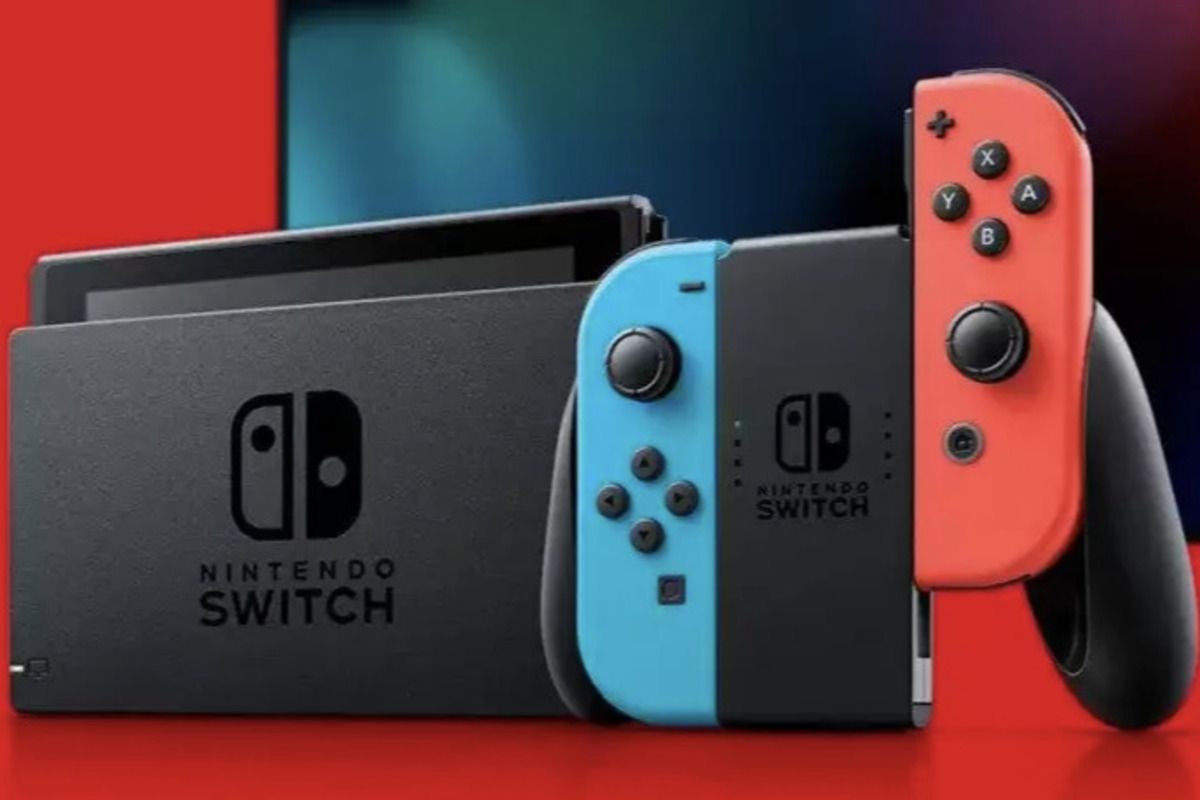
Jakarta (ANTARA) - Nintendo sues United States government over import tariff policies deemed harmful to the Tokyo-based video game company.
According to Engadget’s report on Sunday, Nintendo of America is suing several government agencies, including the Department of the Treasury, the Department of Homeland Security, and the Customs and Border Protection (CBP) agency.
The company had previously raised the price of the Nintendo Switch consoles in the United States in August 2025, citing market conditions, and to date the price of the latest-generation Nintendo Switch 2 remains unchanged.
The lawsuit filed with the United States Court of International Trade cites the Supreme Court’s February ruling which affirmed that the global tariffs imposed by the Trump administration were deemed illegal by the lower courts.
In its official statement, Nintendo of America confirmed it had filed the petition, but did not provide further details on the ongoing legal process.
Generally, tax and trade policy in the United States should be set by Congress. However, in his first year in office, President Trump implemented a series of global tariff policies through executive order, leveraging powers under the International Emergency Economic Powers Act (IEEPA), which provides the president with broader control over trade in global emergencies.
In its ruling, the Supreme Court strengthened the decisions of the District Court for the District of Columbia and the United States Court of International Trade which struck down the government’s power to levy tariffs under IEEPA. Nevertheless, the court did not specify the mechanism for refunds of tariffs that had been collected unlawfully.
As a result, several companies chose to pursue legal recourse to obtain refunds, as Nintendo did.
Separately, U.S. Customs and Border Protection is reported to be preparing a system to process refunds for companies affected by the policy.
Nevertheless, the Trump administration is said to still be considering other ways to impose tariffs using more limited methods.
Besides tariff issues, Nintendo may also face other pressures, including possible increases in console prices due to RAM memory shortages currently occurring in global markets.