
Nintendo Sues United States Government to Recover Trump Import Tariff Payments
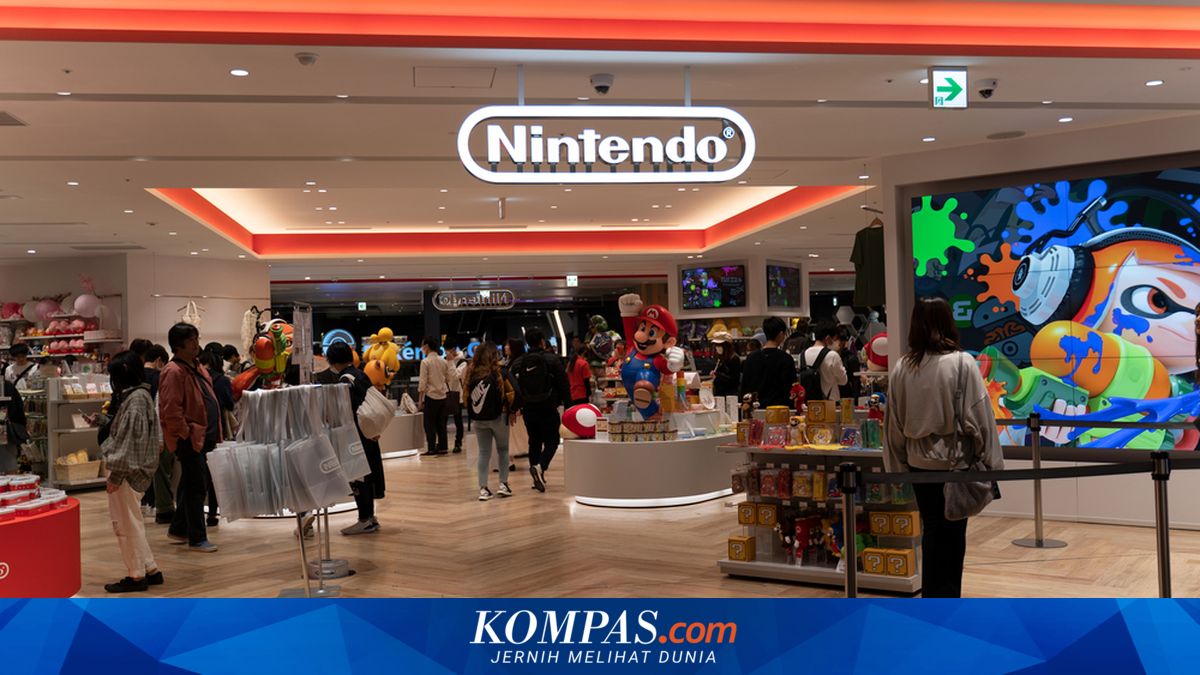
Japanese gaming company Nintendo has sued the United States government, demanding the return of import tariffs previously paid under President Donald Trump’s trade policy.
Nintendo filed its lawsuit with the U.S. Court of International Trade on Friday, 6 March 2026, requesting reimbursement of tariff payments made to the American authorities.
The tariffs were originally imposed through several Trump executive orders citing the International Emergency Economic Powers Act (IEEPA). However, the U.S. Supreme Court ruled that tariffs implemented through IEEPA were unlawful.
Following the Supreme Court’s ruling, Nintendo has demanded that the U.S. government return the import tariffs it had paid.
According to the lawsuit documents, the tariff policies collectively generated more than $200 billion (approximately 3.396 trillion rupiah) from various imports into the United States.
Nintendo did not disclose the specific amount of tariffs it paid. However, the company confirmed it had filed the reimbursement request.
“We can confirm that we have filed a request for reimbursement. We have nothing else to share regarding this matter,” a Nintendo representative told TechCrunch.
Nintendo is not alone in taking such action. More than 1,000 other companies have reportedly sued the U.S. government seeking refunds of tariffs they had paid.
The tariffs were imposed on various countries at different rates.
Under certain policies, the U.S. government imposed tariffs of approximately 25 percent on imports from Canada and Mexico, and 10 percent on Chinese products, which were later increased to 20 percent.
Trump also announced a policy dubbed “Liberation Day Tariffs” in April 2025, which set a baseline tariff of 10 percent on imports from 57 countries, with combined tariffs in some cases reaching approximately 50 percent.
These policies have prompted numerous lawsuits from American companies and importers, who argue that the measures exceed presidential authority over trade tariffs.
Trump himself criticised the Supreme Court’s decision, calling it “deeply un-American,” and threatened to raise global tariffs from 10 percent to 15 percent.
The latest tariff policy has also prompted fresh litigation from 24 American states, which contend that the president has again overstepped his authority in setting these tariffs.