
Nine SPPG Units in Singkawang Closed for Failing to Meet BGN Standards
Nine SPPG units under the Free Nutritious Meals (MBG) programme in Singkawang City, West Kalimantan, have been closed because they are suspected of not meeting environmental management standards and licensing requirements, including the Hygiene and Sanitation Certification (SLHS) set by the National Nutrition Agency (BGN).
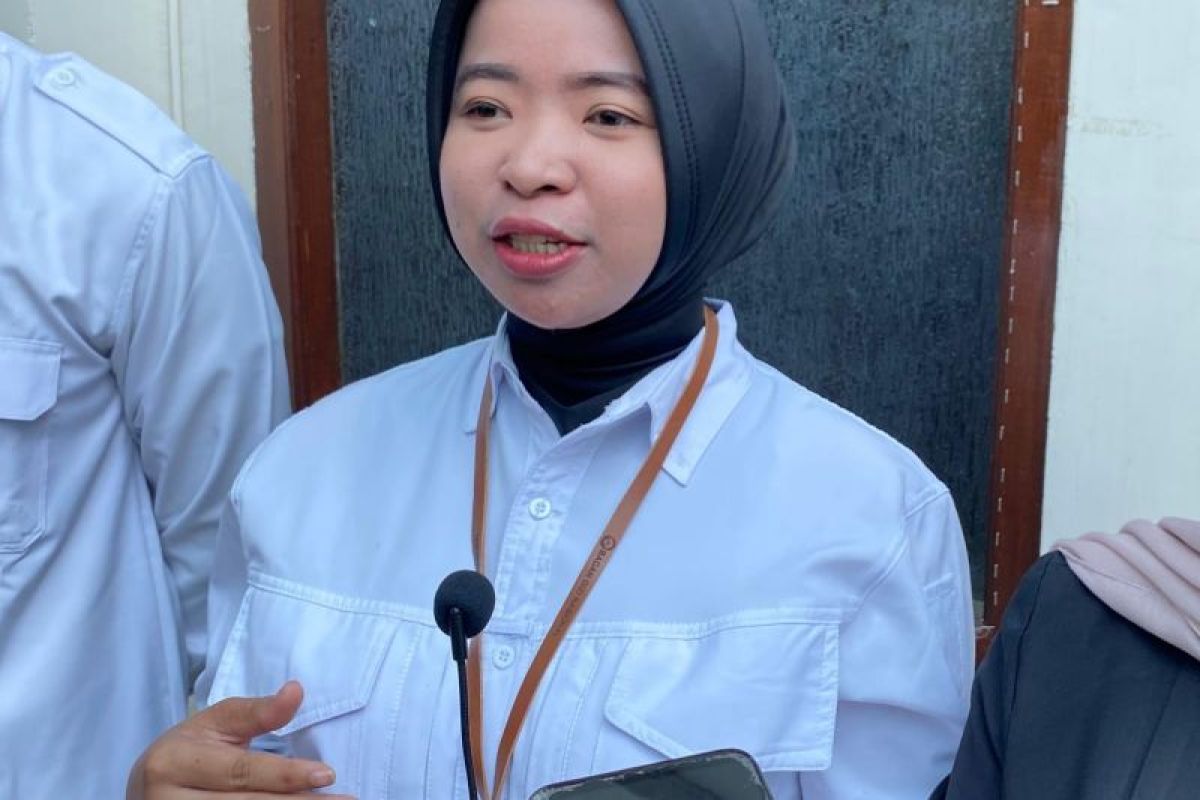
The Regional Coordinator for SPPG MBG in Singkawang City, Devi Riskia, stated in Singkawang on Friday that the closures were a supervisory measure to ensure food safety for the programme’s beneficiaries.
“The nine SPPG units are suspected of not having Wastewater Treatment Installations (IPAL) that meet standards and not possessing SLHS documents as one of the operational requirements,” said Devi.
She added that the closure status is still under evaluation and cannot yet be confirmed as temporary or permanent, depending on whether each kitchen operator fulfils the requirements.
“SLHS aims to ensure that the food served is safe, nutritious, and hygienic for the community,” said Devi.
Meanwhile, the Head of Disease Prevention and Control at the Singkawang City Health and Family Planning Office (Dinkes KB), Hendry Aprianto, explained that the SLHS issuance process is carried out through an integrated permitting mechanism.
“The process begins at the Investment and One-Stop Integrated Services Office (DPMPTSP). After the administrative requirements are complete, the files are returned to the Health Office for on-site verification,” he said.
According to Hendry, there are three main stages that must be fulfilled before SLHS is issued.
First, administrative completeness is checked. Second, an Environmental Health Inspection (IKL) of the kitchen is conducted, involving a team from the Health Office along with the local health centre. Third, food samples are taken for testing in a certified laboratory to ensure consumption safety.
“If all stages have been fulfilled, the Health Office will issue a recommendation, then the documents are returned to DPMPTSP for the final certificate issuance,” he said.
He emphasised that supervision of MBG kitchens will continue to be tightened to ensure the nutrition fulfilment programme runs according to standards and does not endanger public health.