
Nicotine Limits Threaten the Existence of Indonesia's Distinctive Kretek
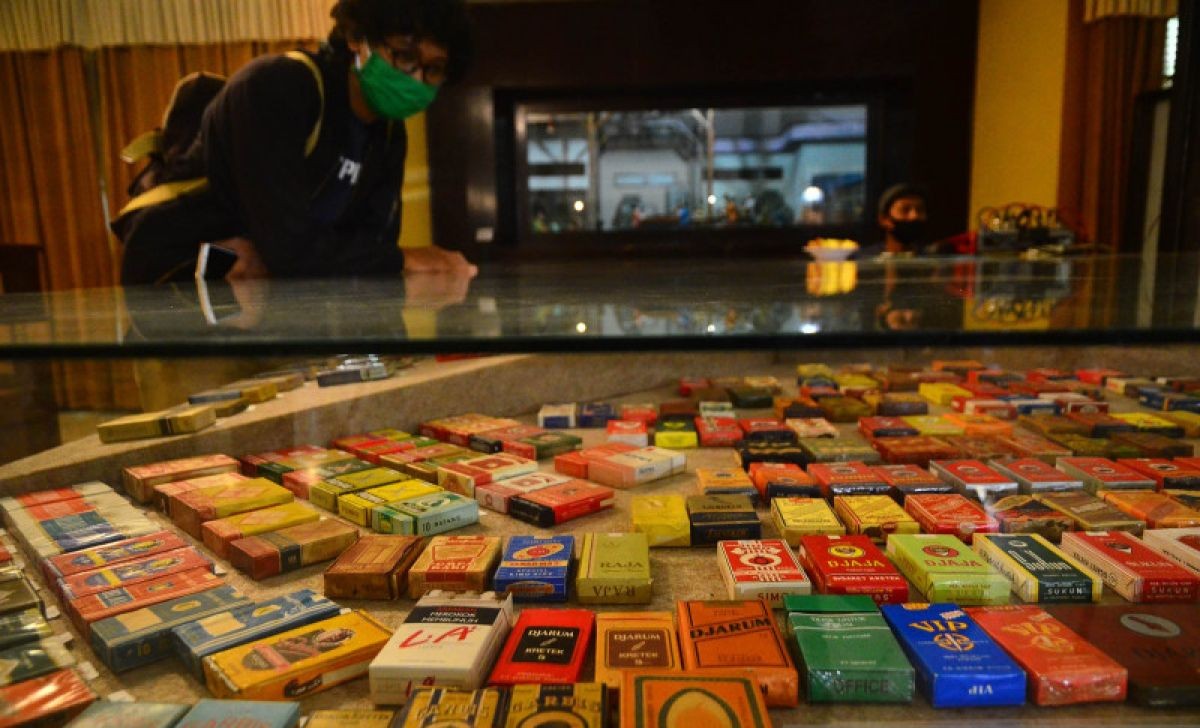
The study team from the Coordinating Ministry for Human Development and Culture (Kemenko PMK) has proposed lower limits on nicotine and tar levels in tobacco products. This has triggered widespread protests from industry players to farmers. The proposal is deemed impossible to implement in the national tobacco industry while reopening old traumas from the past regarding the collapse of the clove sector, one of the main raw materials for Indonesia’s distinctive kretek cigarettes.
Deputy Secretary General of the All-Indonesia Cigarette Industry Community Forum (FORMASI), Abdul Gafur, stated that the plan to limit tar to 10 milligrams and nicotine to 1 milligram is an impossible target for domestic products. He explained that standardisation should refer to the richness and characteristics of Indonesia’s native raw materials.
Furthermore, he explained that the tobacco products industry (IHT) has provided a very broad economic impact by absorbing around 10 million workers from upstream to downstream sectors. The contribution to state revenue is also significant, especially in achieving excise targets exceeding Rp200 trillion annually.
Gafur is concerned that policies continuously pressuring the tobacco sector will cause state revenue to decline. According to him, the government should instead provide special attention to the tobacco industry, which has proven to help national economic stability and contribute to the state budget.
In addition to losing state revenue contributions, the government will also lose sovereignty just because of foreign pressure and blindly following other countries’ rules that do not have flagship commodities like Indonesia. “Why don’t we think of this (tobacco and cloves) as heritage. Don’t let the inability of foreign countries because they don’t have the commodity end up pressuring us who have the clove commodity. That needs to be considered,” he said.
Meanwhile, the General Secretary of the Indonesian Clove Farmers Association (APCI), I Ketut Budhyman, expressed deep concerns about the rules mentioned in Government Regulation (PP) Number 28 of 2024, which will repeat the distressing conditions for farmers when the clove sector collapsed under the Clove Buffer and Marketing Agency (BPPC).
“You might still remember the BPPC back then, clove prices were only Rp2,000, not enough for picking costs at that time. Fortunately, there was reform, so BPPC was dissolved, and our situation started to improve,” he added.
He explained that kretek cigarettes are a component that supports clove farmers’ lives. This is because the majority, even almost all national clove production, is absorbed by kretek cigarette factories.
If the government forces the nicotine and tar limit rules to be implemented, it will certainly cause a drastic decline in 97% of clove absorption. “And this will be a disaster for clove farmers like in the BPPC era,” said Budhyman, reminding.
Budhyman explained that national clove production, reaching 120 to 140 thousand tonnes per year, is almost entirely absorbed by kretek factories, so a decline in cigarette production will directly hit the economy of 1.5 million clove farmers spread across various regions in Indonesia. He sees a threat if the nicotine and tar limitation regulation is still enforced without considering field realities.
“Clove farmers are very dependent on the kretek industry, so if the limitations mentioned earlier are carried out, it will disrupt cigarette production, and that means disrupting farmers’ livelihoods,” he emphasised.
Budhyman hopes that President Prabowo Subianto will provide protection and save the national tobacco products industry. Currently, IHT is seen as facing so much pressure, even though the government has promised to continue protecting farmers.
The government is asked not to only favour one party in setting rules. Regulations like the forced nicotine and tar limitations will result in declining production and will certainly affect the industry ecosystem from upstream to downstream.
The Coordinating Ministry for Human Development and Culture (Kemenko PMK) emphasises its commitment to absorbing all aspirations from various stakeholders.
In 2024, this sector contributed up to Rp710.3 trillion to Gross Domestic Product, export foreign exchange of US$1.8 billion, and excise revenue of Rp217 trillion.