
Nickel Prices Hold Steady at US$17,000 Level
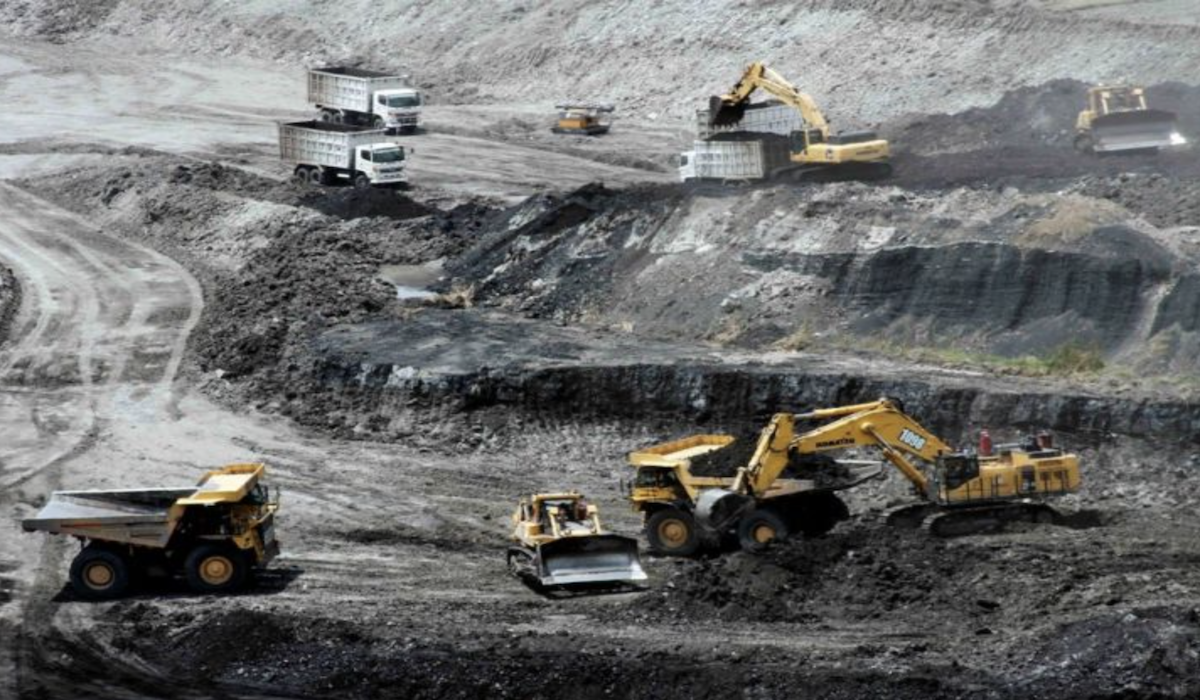
The government’s policy to restrain nickel production is beginning to show significant impact. After being pressured for a long time due to a global supply flood, nickel prices are now gradually recovering and stabilising in the range of US$17,000 per tonne.
The Director General of Mineral and Coal (Minerba) at the Ministry of Energy and Mineral Resources, Tri Winarno, stated that prices had once surged before finding a new equilibrium point.
“Prices once reached US$18,600 per tonne, then stabilised in the 17,000s. Now it’s around US$17,200-US$17,400 per tonne,” Tri said at an economic forum in Jakarta on Tuesday.
This increase marks a turning point after nickel prices had previously been held in the range of US$14,000 to US$15,000 per tonne. According to Tri, that condition was triggered by excess supply in the global market.
“That’s the reason why world nickel prices did not rise, stagnating at US$14,000-US$15,000 per tonne,” he explained.
He added that the global oversupply at that time was estimated to reach 200,000 to 250,000 tonnes, thus pressing prices over a considerable period.
Changes began to appear since the Indonesian government announced the production control policy at the end of 2025. That step was immediately responded to by the market with a price strengthening.
The Ministry of Energy and Mineral Resources hopes this policy can maintain a balance between supply and demand, while strengthening Indonesia’s position in the global market.
“65 percent of the world’s nickel supply comes from Indonesia. Therefore, we want Indonesia to be a player that determines prices,” said Tri.
As part of that strategy, the government is also cutting production quotas. For 2026, the approved production volume is in the range of 190 million to 200 million tonnes.
Meanwhile, the total production quota is set at around 250 million to 260 million tonnes, a significant decrease compared to the 2025 RKAB which reached 379 million tonnes.
This step marks a shift in the government’s policy from merely chasing production volume to market control. If consistently implemented, Indonesia has the potential not only to be the largest producer but also to control the direction of world nickel prices.