
Nickel Industries integrates climate risks into long-term strategy
“This step is crucial to maintaining business competitiveness and resilience amid growing pressure from a low-carbon economy,” Muchtazar, Head of Sustainability at Nickel Industries, said in a statement received in Jakarta on Tuesday.
As a nickel producer supplying the global electric vehicle supply chain, the company noted that climate risks could directly affect energy costs, regulations, financing, and market access.
“Climate change is no longer just an environmental issue; it has become a real and increasingly material business risk,” Muchtazar added.
In its 2025 Annual Report, Nickel Industries reported climate disclosures for the first time in alignment with the Australian Accounting Standards Board’s AASB S2 Climate-related Disclosures standard. The company said the move demonstrates its effort to strengthen resilience and competitiveness during the transition to a low-carbon economy.
The company is also investing in High Pressure Acid Leach (HPAL) facilities to produce raw materials for electric vehicle batteries. According to the company, the HPAL process lowers emissions intensity compared with traditional processing methods and captures waste heat from acid plants to improve energy efficiency. Additionally, the use of slurry pipelines reduces reliance on diesel haulage, lowering direct operational emissions.
“Investing in HPAL is not just about expanding production capacity. It is about positioning Nickel Industries for a low-carbon future. We are working to reduce emissions intensity while ensuring our products remain competitive in a market that increasingly values transparency and sustainability,” Muchtazar said.
Nickel Industries is also accelerating the adoption of renewable energy. The company is participating in a large-scale solar project supported by battery energy storage under a long-term fixed tariff arrangement. This, the company said, provides greater cost certainty, reduces exposure to fossil fuel price volatility, and helps manage potential future carbon pricing risks.
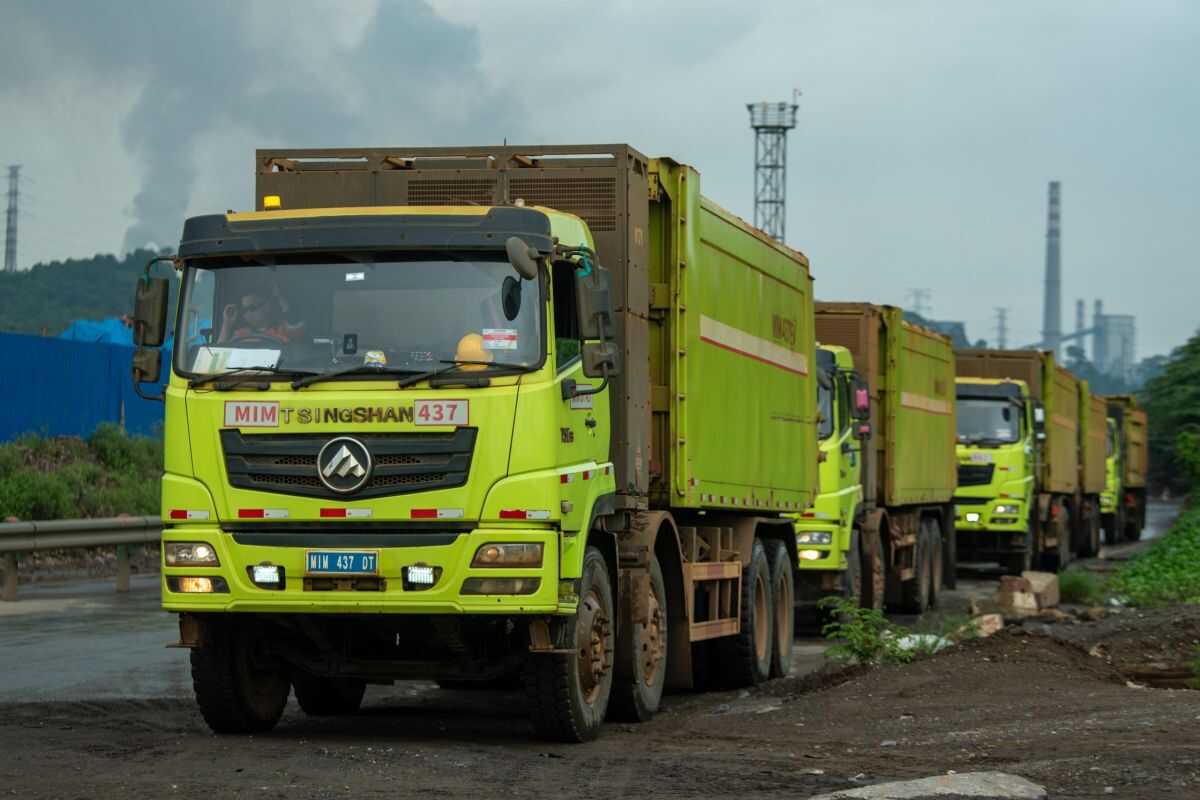
At the operational level, solar installations at the Hengjaya Mine now supply around 20 percent of site electricity demand. The company is also progressing the electrification of trucks and other mobile equipment to reduce diesel consumption and Scope 1 emissions.
“Electrifying our fleet and investing in solar energy are practical steps that strengthen our business. This is not only about environmental performance; it is about building resilience against energy price shocks, regulatory change, and shifting market expectations,” Muchtazar added.
The 2025 Annual Report also includes climate scenario analyses through 2050, assessing potential financial impacts from physical risks such as extreme rainfall and flooding, as well as transition risks, including carbon policies and evolving global standards.
These assessments inform the company’s decarbonisation roadmap, which sets a target to reduce carbon intensity by 50 percent by 2035 from a 2022 baseline and an ambition to achieve net-zero emissions by 2050.
Related news: Ministry urges stronger safety standards for Nickel industry workers
Related news: Nickel Industries showcases sustainability in quarterly update