
Nickel-Based Electric Vehicle Subsidies Cut Fuel Imports and Strengthen Downstream Processing
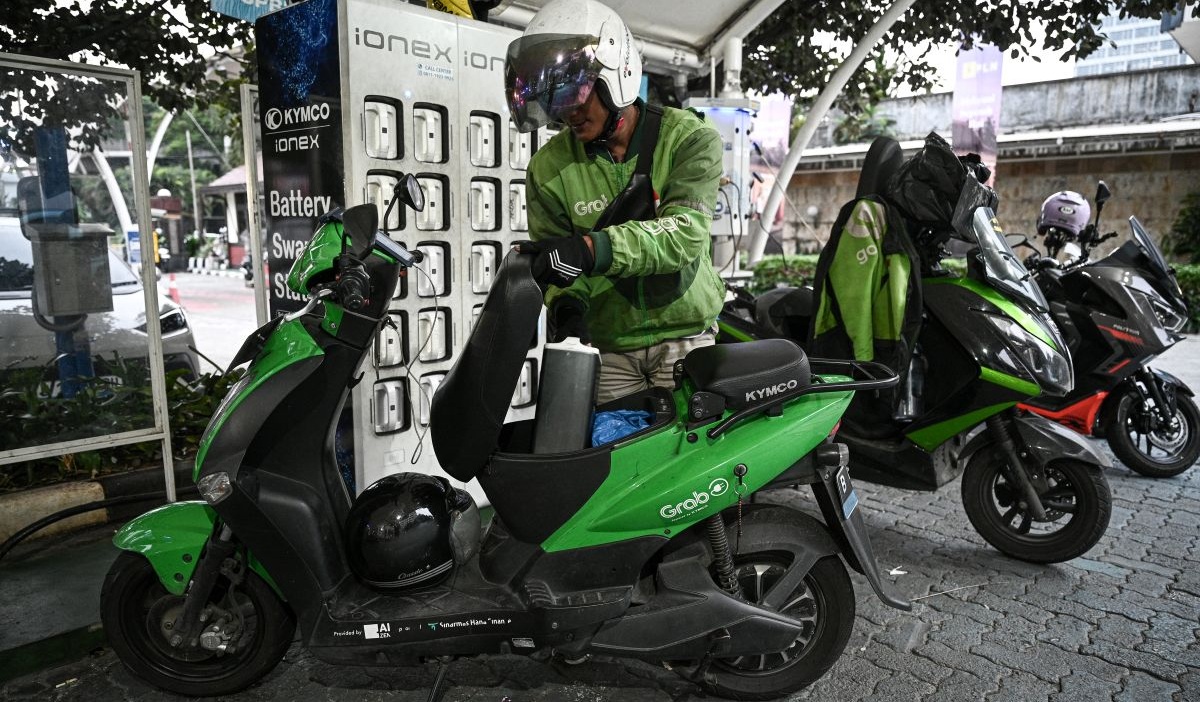
President Utilises National Awakening Day Momentum to Safeguard Economic Stability. The government’s move to steer EV subsidies towards nickel-based technology, specifically nickel manganese cobalt (NMC), has been welcomed as a strategic step to reduce dependence on imported fuel oil and strengthen the domestic mineral processing ecosystem through hilirisasi. The government plans to allocate subsidies for 200,000 electric motorcycles and cars scheduled to roll out from June 2026. The main focus of the policy is to create long-term fiscal efficiency by reducing fossil fuel consumption.
Based on a policy draft being prepared, the government will offer incentives differentiated by battery technology type to promote domestic nickel usage:
Energy Economics Observer Fahmi Radhi of Gadjah Mada University notes that prioritizing NMC is very appropriate. “Indonesia has the world’s largest nickel reserves. Unlike LFP—where raw materials are not produced here—NMC technology allows direct integration with our upstream industry,” Fahmi said.
Gaikindo data shows BEV sales rose from 56,204 units in 2024 to 114,413 in 2025. However, the market remains dominated by LFP technology. Source: Gaikindo Wholesale Data (edited)
Although LFP remains dominant, EV sales based on NMC grew much faster by 177.6% in 2025. This trend is expected to rise further with more selective government incentives.
Indonesia Battery Corporation (IBC) President Director Aditya Farhan Arif suggests incentives should not stop at vehicles but also target battery component industries. He emphasises that NMC batteries also contain other components that can be localised.
“NMC battery components comprise 23% graphite, 21% nickel, 18% aluminium, and 13% copper. If we can provide incentives for the use of local aluminium sheets, for example from Inalum, downstream processing will expand to various mineral sectors,” Aditya told reporters in Jakarta on Monday (18/5/2026).
Aditya also advocates a deeper Domestic Component Level (TKDN) scheme, calculating the origin of materials, not merely the final manufacturing process. With policy consistency, Indonesia is expected not only to be a market for foreign manufacturers but to build an independent EV industry ecosystem from upstream to downstream.
Director General of Mineral Resources and Coal (ESDM) Tri Winarno highlights the potential for the downstream processing of Indonesian mineral and coal commodities, including tin and nickel, to increase Indonesia’s role in the global market.